


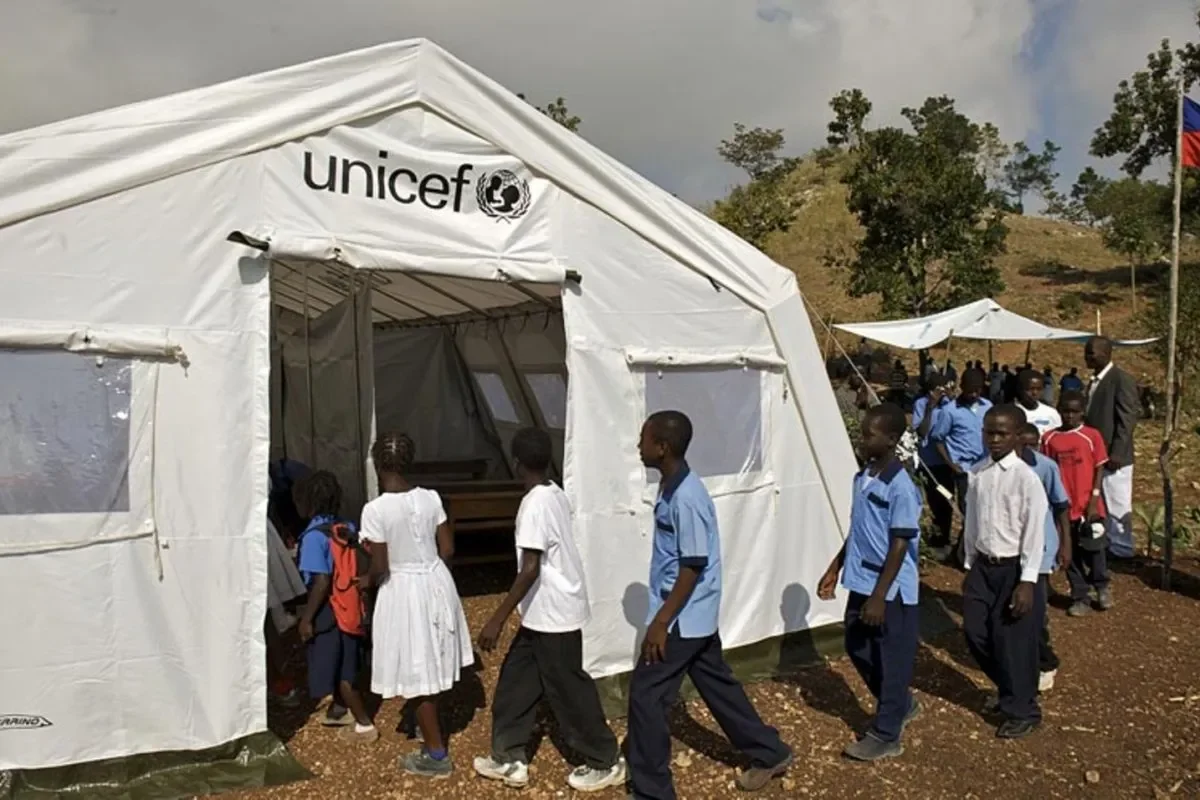
UNICEF has activated its Panama emergency response protocol, delivering 16 mobile health structures to the Ministry of Health (Minsa) just days after a magnitude 7.5 earthquake struck the country on Friday, October 9. The rapid deployment aims to restore hospital capacity and shield vulnerable populations from service disruptions.
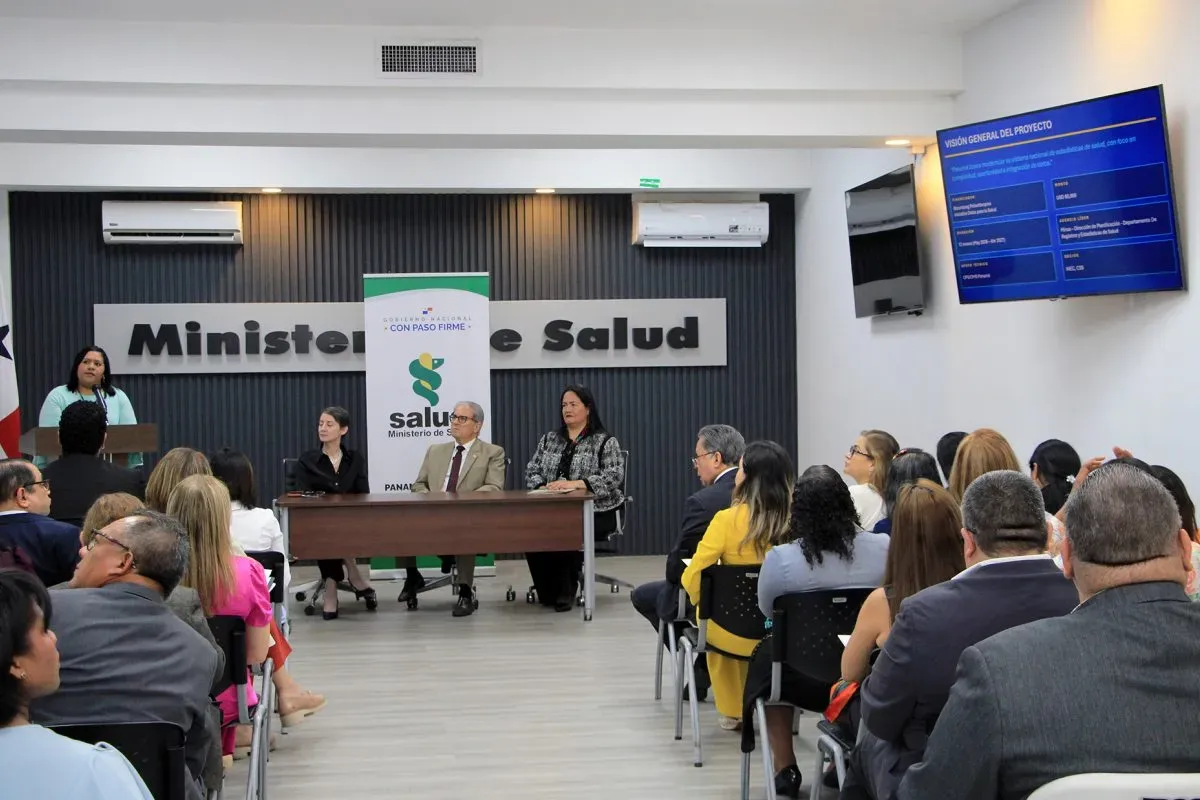
The official handover took place between Olga Isaza, UNICEF’s representative in Panama, and Health Minister Fernando Boyd Galindo. The agency mobilized within 24 hours of the seismic event, coordinating directly with national authorities to assess immediate infrastructure gaps across affected provinces.
Panama Emergency Response Targets Critical Hospitals
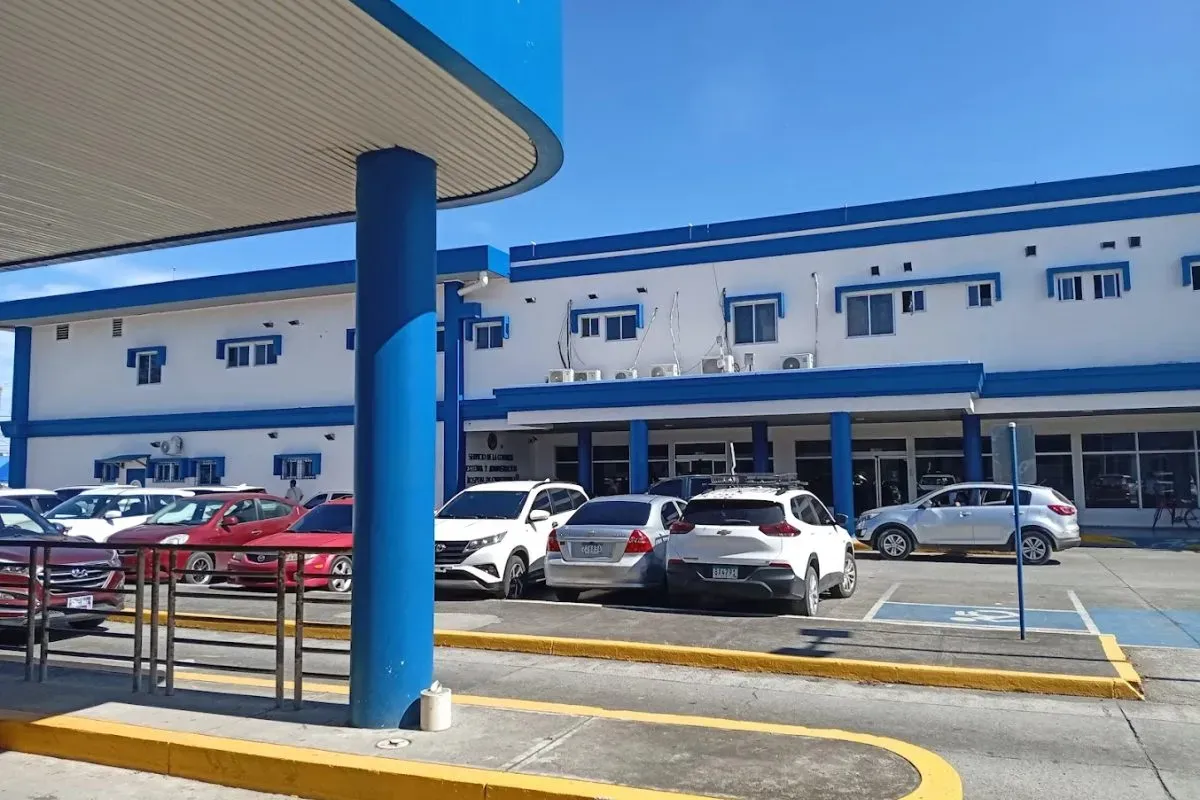
Each tent spans 48 square meters and serves as temporary clinical space where permanent facilities sustained damage or face patient overflow risks. Two priority sites received immediate support. The Hospital San Miguel Arcángel in San Miguelito now has additional capacity to manage potential aftershocks or incoming transfers from nearby centers.
Meanwhile, structures are being transported from Darién to the Hospital Rural de San Félix in Chiriquí province. That facility suffered severe structural damage during the earthquake, according to officials. UNICEF placed all 16 tents at Minsa’s disposal and maintains open communication with the General Directorate of Health to identify further needs as damage assessments continue.
Child Protection and Multisectoral Aid Deployment
Isaza stressed that children must remain central to all recovery decisions and budget allocations. She called for prioritizing essential services and closing inequality gaps in communities hit hardest by the disaster. UNICEF’s emergency framework concentrates on four pillars: health, water and sanitation (WASH), education in emergencies, and child protection.
Technical and logistical assistance will focus primarily on Veraguas, Herrera, and Los Santos provinces. Since Saturday, October 10, a multidisciplinary UNICEF team has been on the ground in central provinces conducting initial impact evaluations on children and adolescents, working alongside local officials.
The agency warned that minors face heightened risks during disasters, including family separation, abuse, sexual exploitation, displacement, school interruption, and psychological trauma. These compounding threats require integrated interventions beyond immediate medical triage.
Coordination With National Health Authorities
Minsa continues to assess infrastructure damage across the public health network while coordinating with international partners. The earthquake prompted temporary suspensions of some routine services, including Cepanim delivery schedules, as safety inspections proceed.
Near Penonomé, approximately 70 patients received care under tents after hospital damage forced evacuations. Security Minister Juan Pino urged calm and encouraged families to maintain contact with relatives in affected zones. The government’s response framework now incorporates UNICEF’s logistical support to prevent gaps in pediatric and maternal care.
UNICEF’s presence in Panama predates this emergency, but the speed of this deployment reflects pre-positioned regional capacity. Health officials expect additional assessments in coming days to determine whether more temporary facilities or specialized medical equipment are required for rural clinics in Chiriquí and central provinces.