


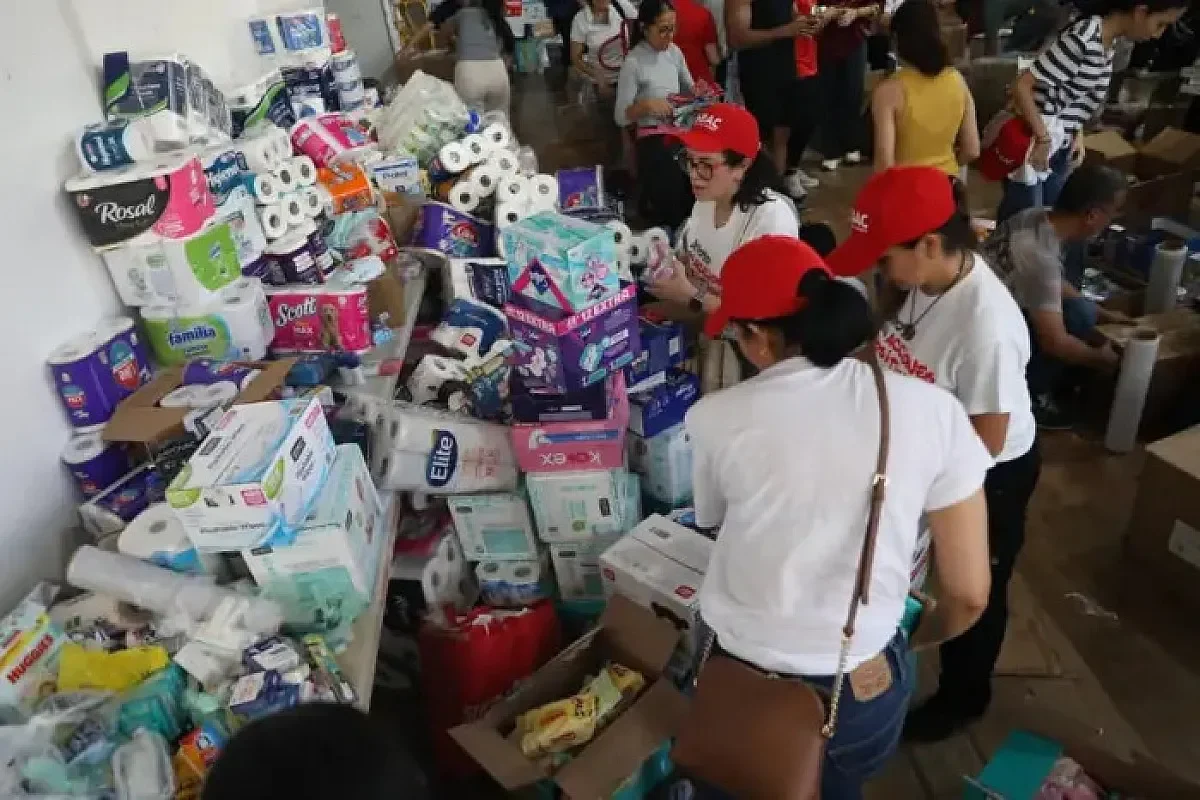
Panama earthquake donations are being collected at multiple sites across the country following the magnitude 7.5 tremor that struck on Friday, October 9, causing structural damage in Veraguas, the Azuero Peninsula, and Coclé. Authorities and private organizations activated collection centers on Saturday to gather essential supplies for displaced families.
The seismic event also affected schools and homes in Panama, Chiriquí, Bocas del Toro, and the Ngäbe-Buglé and Emberá indigenous regions. The government declared a state of emergency as damage assessments continued through the weekend.
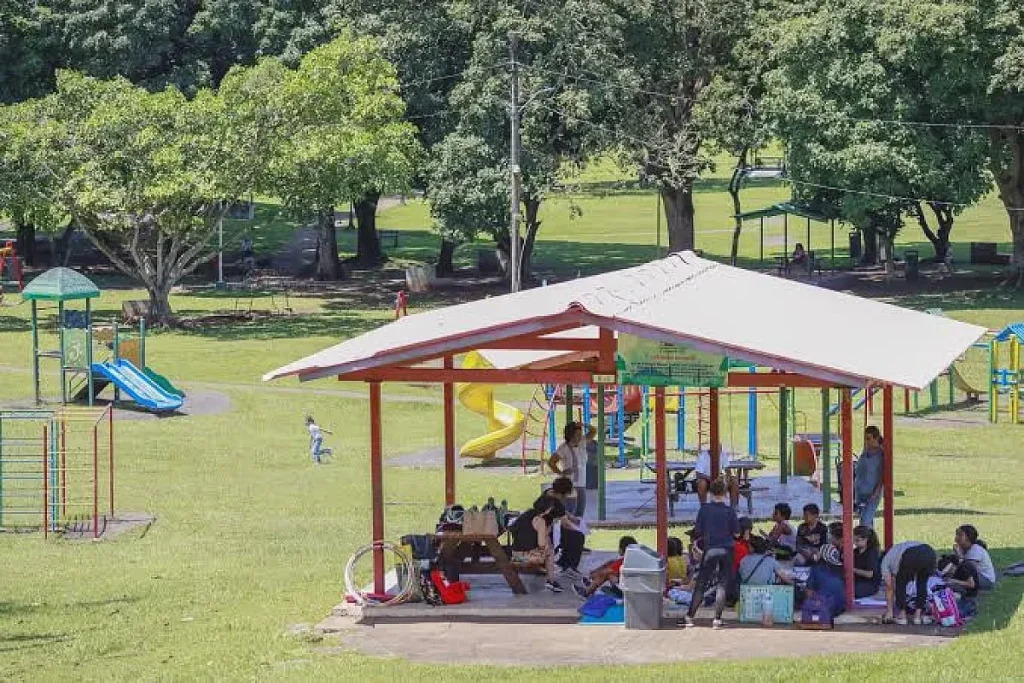
Panama Earthquake Donations Collection Points and Hours
The Panama City mayor’s office opened a donation center on the ground floor of the Hatillo building, operating Saturday until 6:00 p.m. The Catholic University Santa María La Antigua (USMA) will accept contributions on October 12, 13, and 14 at its gymnasium from 9:00 a.m. to 4:00 p.m.
Additional drop-off locations include the Vega neighborhood park starting at 7:00 p.m., with supplies directed to hospitals in the country’s interior. The Omar Park Dome will receive donations on October 11 from 9:00 a.m. to 4:00 p.m. Supermarket chain Riba Smith established a collection point specifically for Azuero Peninsula victims, while Plaza La Cabima accepts donations until 10:00 p.m.
Urgent Supplies Needed for Affected Families
Relief organizers published a list of priority items for Panama earthquake donations. Bottled water, dry and non-perishable food, clean blankets and towels, personal hygiene products, sanitary pads, baby and adult diapers, and basic medical supplies top the list of requested goods.
Officials recommend verifying each center’s operating hours and acceptance conditions before arriving. The collection effort aims to address the most immediate needs of communities cut off from regular supply chains following the earthquake.
Regional Impact and Emergency Response
Damage reports indicate significant structural failures across Veraguas province and the Azuero Peninsula, with additional impacts documented in Coclé and scattered areas of western Panama. The Ministry of Culture closed museums and libraries while education authorities evaluated whether schools could safely reopen.
The Security Ministry urged residents to remain calm and stay in contact with family members. Emergency declarations enabled rapid deployment of resources to affected zones, but relief coordinators emphasized that community donations remain critical for short-term recovery efforts.
Volunteers at collection sites are sorting incoming supplies for distribution to the hardest-hit communities, particularly in rural areas where access remains limited by damaged roads and infrastructure.