



A technical delegation from Israel’s national water company Mekorot will arrive in Panama on October 5 to evaluate the country’s deteriorating water infrastructure, with particular focus on the Azuero Peninsula. The five-day mission, running through October 9, marks the first concrete step under bilateral agreements signed between Panamanian President José Raúl Mulino and Israeli President Isaac Herzog.
The team of Israel water specialists will be led by Diego Berger, Mekorot’s coordinator of international projects. They will work alongside professionals from Panama’s Ministry of Health (Minsa), the National Institute of Aqueducts and Sewers (Idaan), and the Ministry of Environment (MiAmbiente) to assess water sources, supply systems, treatment plants, and distribution infrastructure across the drought-stricken region.
Mekorot’s Technical Assessment Scope in Azuero
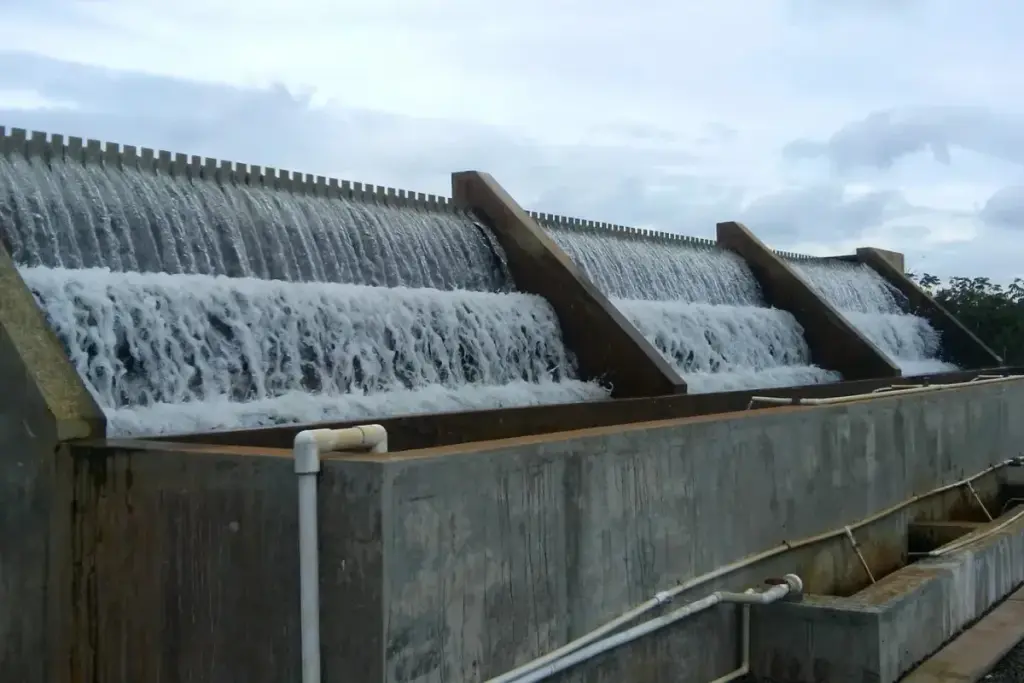
The evaluation will concentrate on the Río La Villa basin, which serves as the primary drinking water source for Herrera and Los Santos provinces. Recent studies have documented severe contamination in this critical watershed, prompting urgent government action. Mekorot specialists will examine the entire water chain, from source extraction through potabilization and final distribution to communities.
As the assessment progresses, Mekorot will produce technical reports containing recommendations and implementation guides for short, medium, and long-term solutions. The stated objective is identifying alternatives that can address the systemic failures plaguing Azuero’s water supply network. Panamanian officials have described the collaboration as a technology transfer partnership rather than a privatization initiative.
#NacionalCri Una delegación de expertos de Israel, visitará Panamá del 5 al 9 de octubre de 2026 para trabajar junto al MINSA, IDAAN y MiAmbiente en la evaluación integral de la situación hídrica de la península de Azuero. Analizarán fuentes de agua, sistemas de abastecimiento,… pic.twitter.com/GFI8WvxwvL
— Diario Critica.Pa (@criticaenlinea) October 2, 2026
Contamination Sources and Regional Water Emergency
A 2026 study by researchers affiliated with the University of Panama and the Specialized University of the Americas identified multiple pollution sources affecting the Río La Villa. These include untreated waste from pig farming operations, leachate from open-air landfills, domestic wastewater discharges without treatment, and microbiological and fecal contamination. The findings underscore the complexity of the crisis facing Azuero’s agricultural communities.
The Ministry of Health has conducted its own inter-institutional evaluations of water quality in both the La Villa and Estivaná rivers. Authorities have proposed measures to address contamination at its source while seeking long-term structural solutions. The arrival of Mekorot personnel adds a technical diagnostic layer to these ongoing efforts, potentially unlocking infrastructure investments that Panamanian agencies have struggled to secure independently.
Mekorot’s Track Record and International Controversy
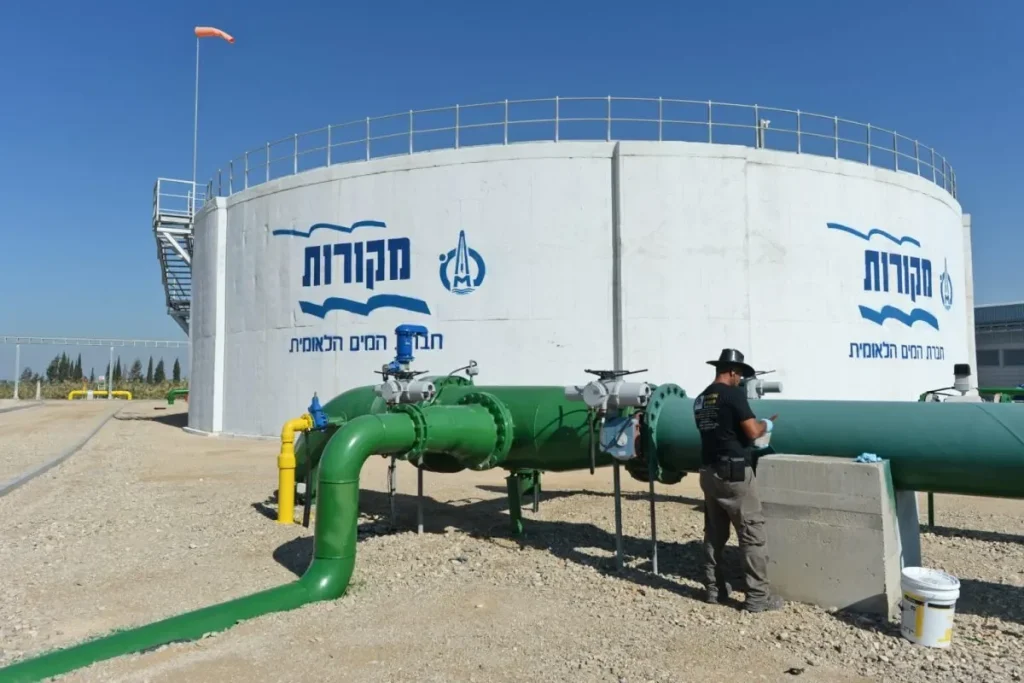
Founded in 1937, Mekorot supplies the majority of Israel’s drinking water and manages extensive water infrastructure nationwide. The company has expanded its international consulting operations across Latin America in recent years, offering expertise in desalination, wastewater recycling, and drought management. Panama represents the latest in a series of regional partnerships.
But Mekorot’s global expansion has drawn sharp criticism from human rights organizations and the Boycott, Divestment, and Sanctions (BDS) movement. Critics accuse the company of operating in occupied Palestinian territories and implementing discriminatory water access policies between Israeli and Palestinian populations in the West Bank and Gaza Strip. Environmental and community groups in Latin America have also protested Mekorot’s consulting agreements, questioning the involvement of foreign state enterprises in local natural resource management.
Panamanian officials have not publicly addressed these concerns. The government’s immediate priority remains stabilizing water access for Azuero residents, who have endured prolonged shortages and quality failures. Whether Mekorot’s technical recommendations translate into tangible improvements will depend on follow-through from Panamanian institutions and available financing for infrastructure upgrades.