


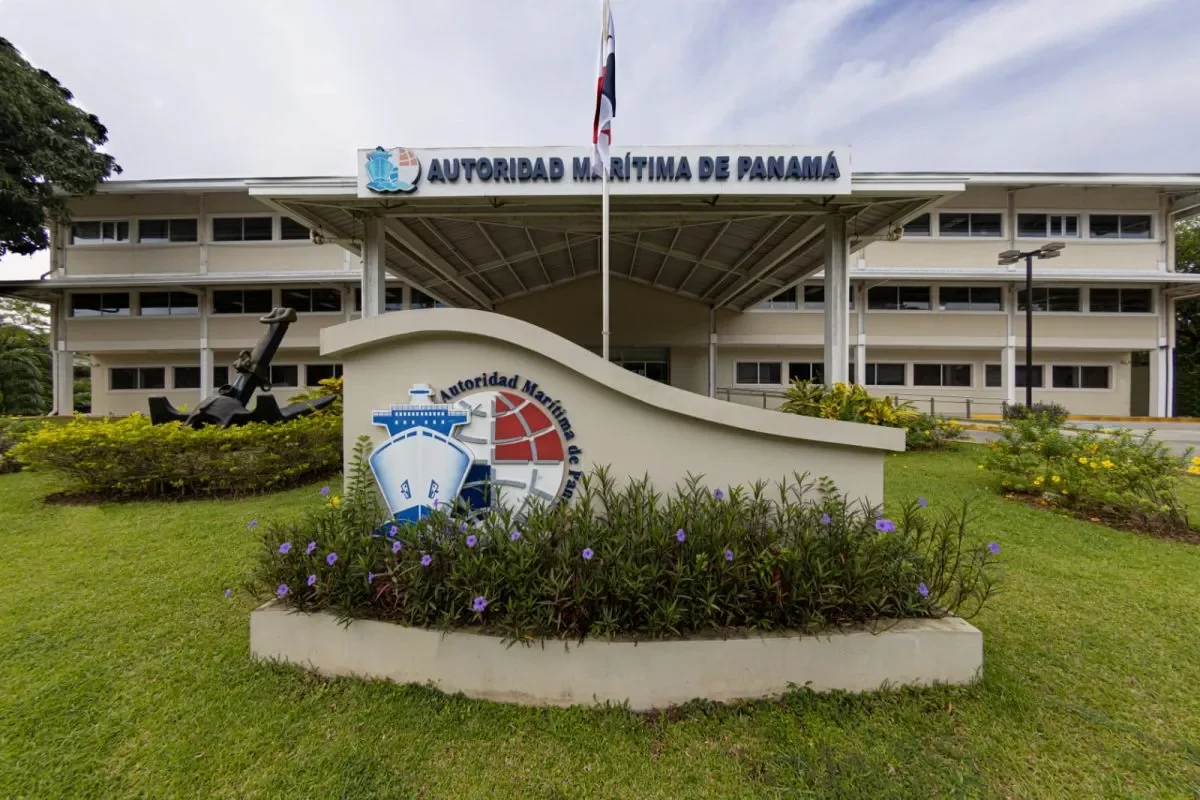
Panama’s Comptroller General filed a criminal complaint on November 17 targeting former directors of the Panama Maritime Authority (AMP) and Panama Ports Company over alleged irregularities in the management of the Balboa and Cristóbal port concessions. The AMP corruption denunciation, submitted through the Comptroller’s National Directorate of Legal Advisory to the Public Ministry, covers activities between January 2, 2014 and December 31, 2023.
The complaint names principal and alternate members of the AMP Board of Directors who served during that nine-year period, along with former administrators general of the institution. The allegations focus on possible crimes against public administration tied to the enforcement of Contract Law No. 5 of January 16, 1997, which granted Panama Ports Company the right to operate the two key terminals at either end of the Panama Canal.

AMP Corruption Denunciation Follows Constitutional Ruling
The criminal action comes months after Panama’s Supreme Court declared Law No. 5 of 1997 unconstitutional. The ruling, dated January 29, 2026 and published in the Official Gazette on February 23, struck down the legal foundation of the concession agreement. The court also invalidated the contract’s addenda, its extension, and administrative acts, including AMP Board Resolution No. 043-2021 from June 23, 2021 and certification S.G.-No. 021-06-2021 from June 28 of that year.
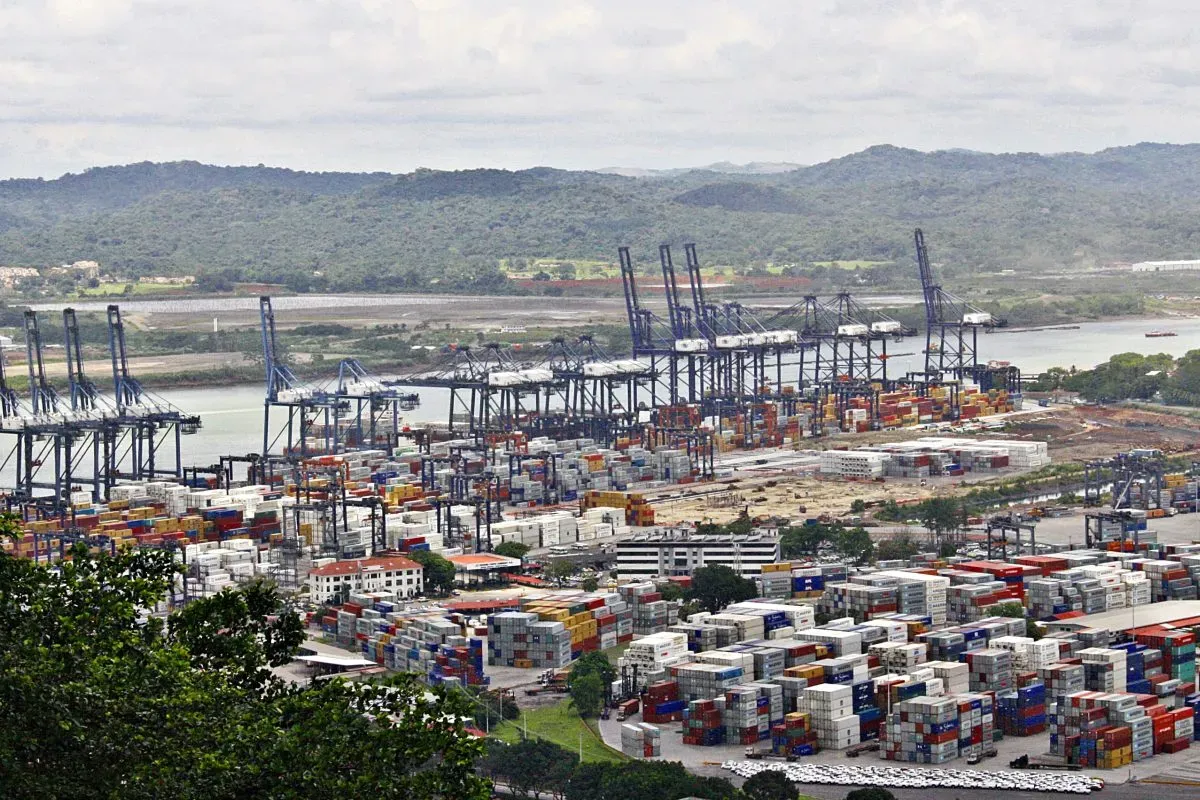
Panama Ports Company had operated the Pacific-side Balboa terminal and Atlantic-side Cristóbal terminal since 1997. The facilities handle container traffic, general cargo, bulk cargo, passengers, and roll-on/roll-off vessels. The 2021 extension, which renewed the agreement for an equal period, became a focal point of scrutiny over the terms granted to the company and the financial returns received by the Panamanian state.
AMP se pone a disposición del MP por investigación relacionada con contrato de Panamá Ports https://t.co/OEpdzR1mCf
— ECOtvPanamá (@EcoPanamaTV) November 19, 2026
Audit Findings and Financial Impact
The Comptroller’s office based its criminal complaint on a financial and compliance audit of the concession contract and its addenda. The audit examined company financial statements and contractual obligations, including investment commitments and payments owed to the state. Comptroller General Anel Flores filed two separate legal actions on July 30, seeking both a declaration of unconstitutionality and annulment of the concession agreement.
Flores stated that the contract conditions were unfavorable to national interests and claimed more than $1.3 billion failed to enter public coffers. The concession reportedly established a 10 percent state participation in the company, while Panama Ports Company maintained operational control of the country’s two principal ports.
Legal and Administrative Ramifications
The Supreme Court’s decision eliminated the legal framework supporting the concession and its extension. The ruling extended to the resolution and certification that formalized the 2021 extension, effectively removing the constitutional basis for continued operations under the original terms.
The criminal complaint now places the matter before the Public Ministry, which will determine whether the evidence supports formal charges against the former officials and the company. The case represents a key significant legal challenges to Panama’s port concession system since the terminals were privatized in the late 1990s.