


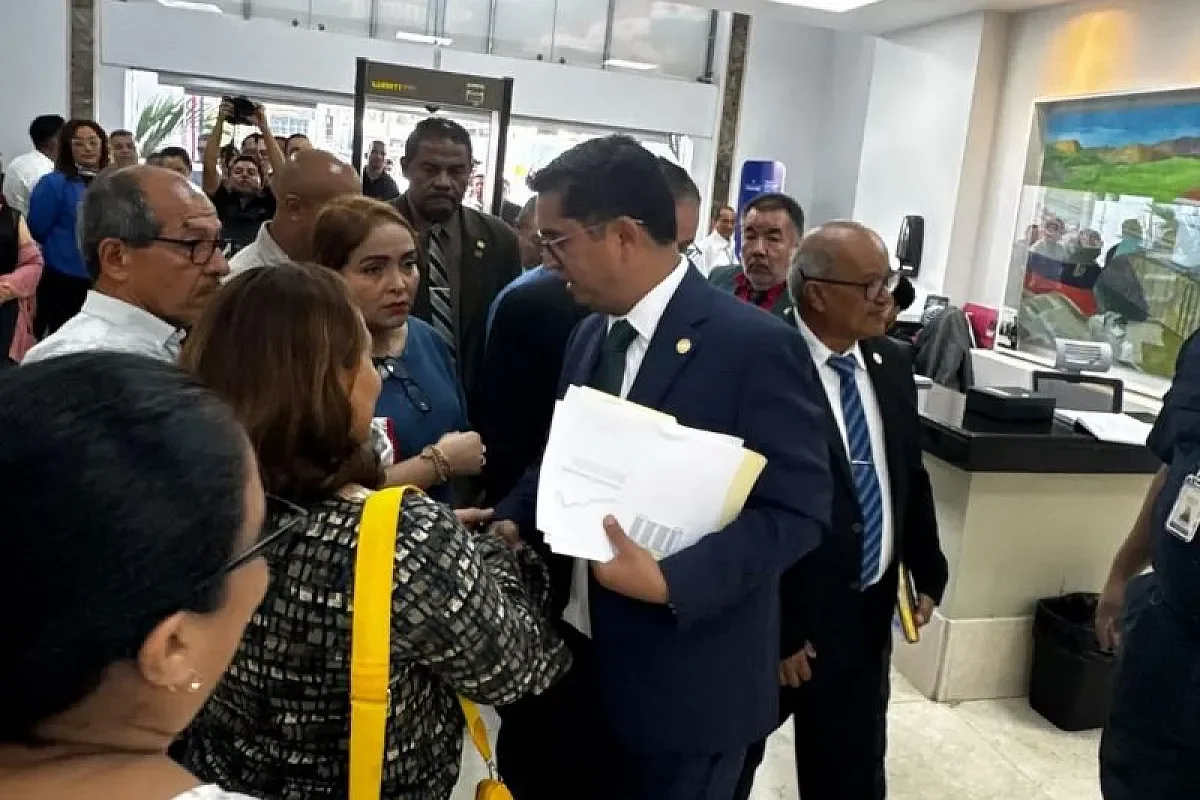
The Universidad Autónoma de Chiriquí (UNACHI) received only $4.4 million of the $20 million it requested to cover its deficit through December 2026, leaving the institution unable to pay salaries beyond the first half of October and deepening a higher education crisis in western Panama.
Rector Absel Navarro confirmed the funding shortfall in a televised interview, stating that the Budget Commission‘s authorization fell far short of what the university needs to meet payroll for roughly 2,000 employees. The deficit affects both academic and administrative staff who have continued working despite delayed compensation.
🚨 ¡OTRA VEZ EN BUSCA DE BILLETE! UNACHI LLEGA AL MEF CON LA MANO EXTENDIDA PARA PODER TERMINAR EL AÑO. Noticia completa aquí: https://t.co/kBVKzmMV0U https://t.co/Y0C7Un0p7C
— @AZUERO LIVE (@azuerolive1) November 16, 2026
Funding Shortfall Leaves Payroll Uncovered
Navarro detailed the scale of the problem, noting that nearly 1,000 professors and 1,000 administrative workers face salary delays. The approved $4.4 million covered only the first two weeks of October, after which the university again found itself without sufficient funds.
“We requested an interinstitutional budget transfer of around $20 million to cover the deficit until December. But only $4.4 million was authorized” [Translated from Spanish]
The rector also revealed that UNACHI owes approximately $20 million to the Caja de Seguro Social (CSS), Panama’s social security agency. While employee deductions are withheld from paychecks, the university lacks the cash to remit employer contributions. This delinquency creates additional hardship for workers and their families who encounter obstacles when accessing healthcare services.
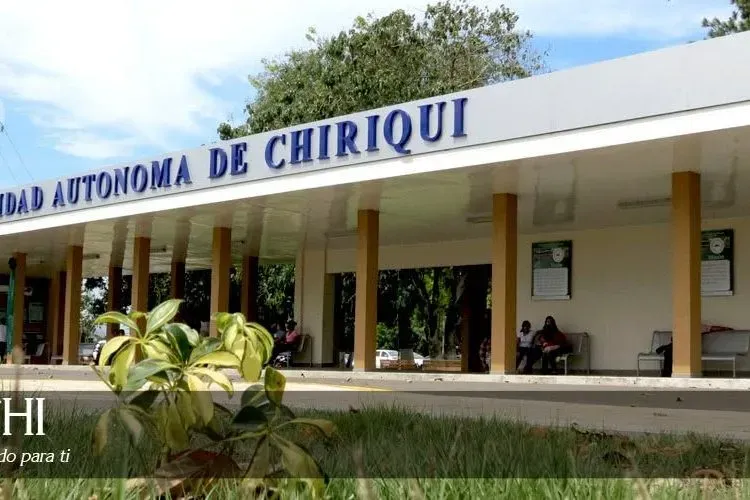
Budget Reduction Timeline and Impact on Salaries
The current crisis stems from drastic budget reductions over the past two years. UNACHI operated with $106 million in 2024, a figure that dropped to $50 million in 2025 before being adjusted upward to $72 million and later $80 million. Despite these partial restorations, the funding remains inadequate to cover fixed salary obligations.
The cuts hit hardest in the personnel services category, which funds salaries for tenured faculty and career administrative staff. Navarro rejected the idea that the university can operate under such constraints.
“It is impossible for the university to function with that cruel cut of one-third of fixed salaries” [Translated from Spanish]
He emphasized that UNACHI faculty salaries follow legally established pay scales comparable to those at the University of Panama and the Technological University of Panama. Navarro questioned why salary scrutiny focuses disproportionately on UNACHI and argued that any changes should come through reforms applied uniformly across all public universities.
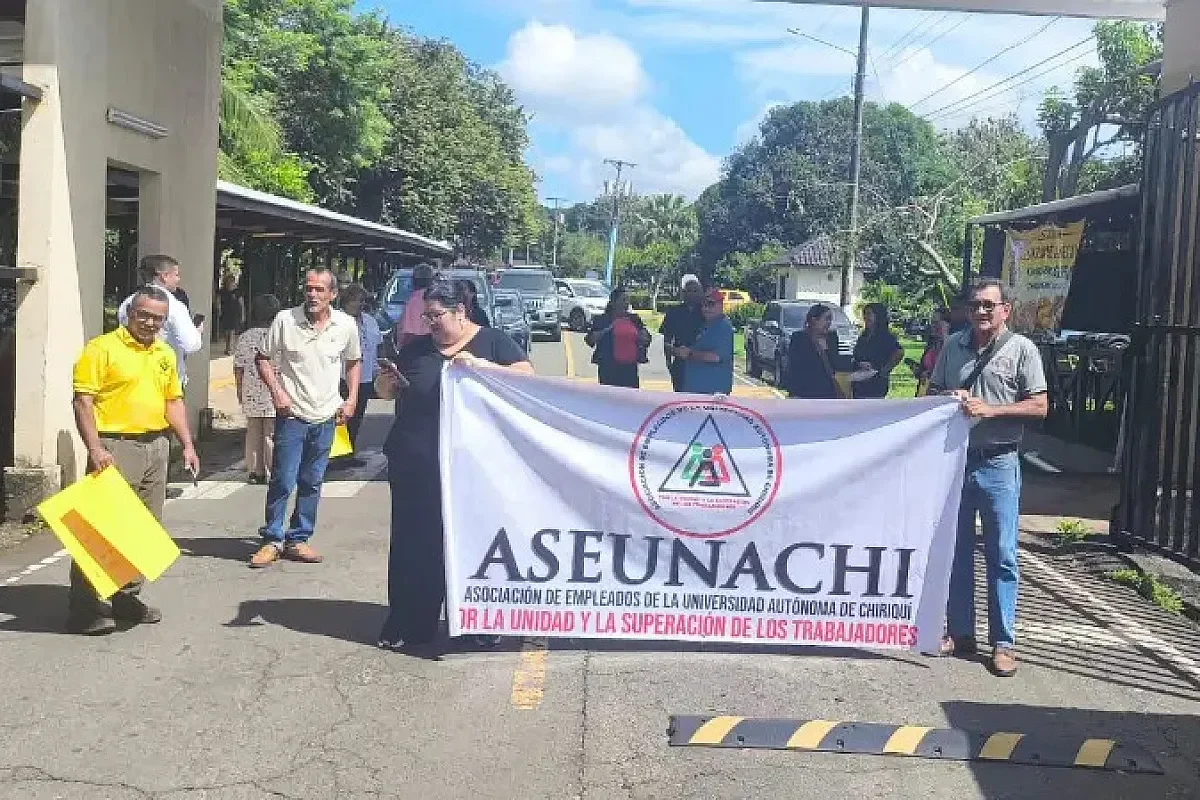
Economic Consequences for Chiriquí Province
The delayed salary payments extend beyond campus boundaries. Chiriquí’s regional economy depends heavily on the purchasing power of university employees, and prolonged payment delays ripple through local businesses and services.
Navarro urged authorities to guarantee financing so the university can meet its obligations, warning that continued shortfalls will compound the economic strain on the province. The situation highlights broader tensions in Panama’s public higher education system, where multiple institutions face budget pressures while trying to maintain payroll and social security commitments.
University officials continue to press for a comprehensive funding solution that addresses both immediate salary needs and long-term financial sustainability for one of Panama’s key regional universities.