


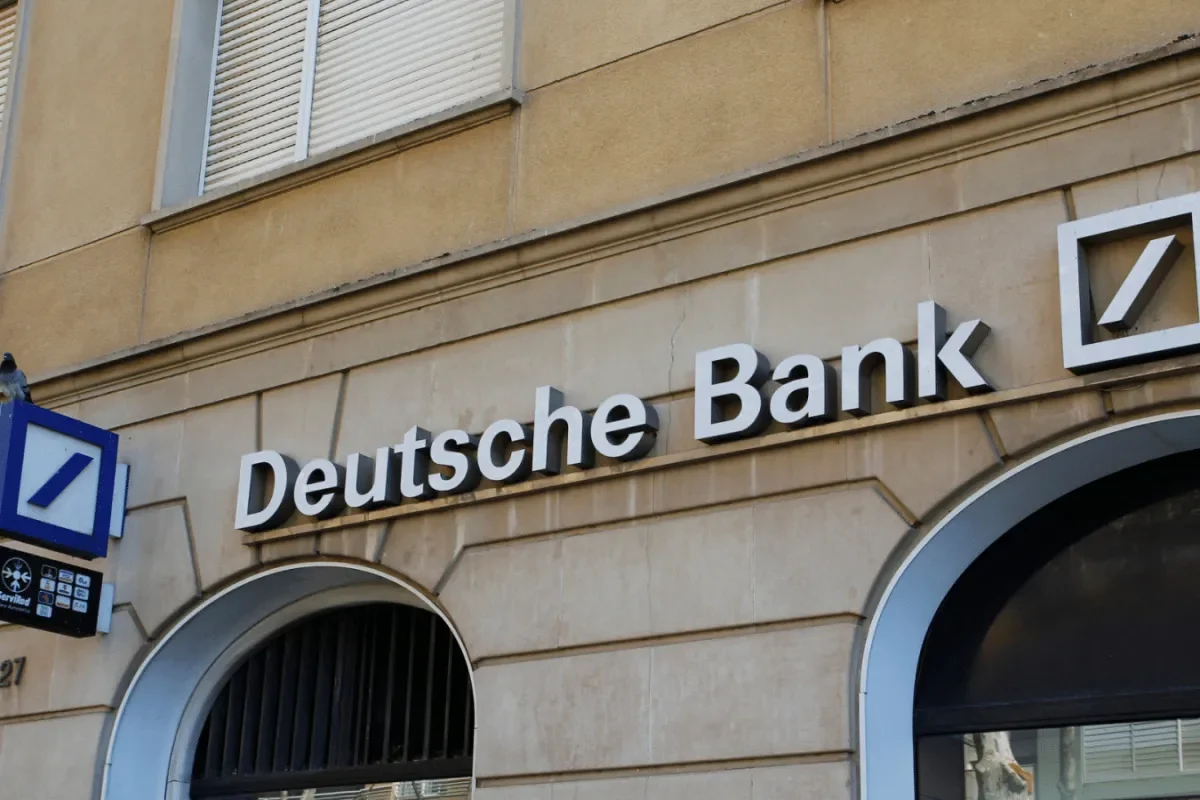
A massive leak of more than 15 million internal Deutsche Bank documents has exposed systemic weaknesses in anti-money laundering controls at one of the world’s largest financial institutions. The files, analyzed by over 200 journalists across 50 countries, reveal that the German bank repeatedly overlooked red flags tied to Jeffrey Epstein, Russian oligarchs, and the 1MDB corruption scandal, raising fresh questions about the effectiveness of global financial investigation mechanisms.
The investigation, titled Inside Deutsche Bank and published in Panama by digital magazine Concolón, was coordinated through the nonprofit Barracuda Media. Two whistleblowers, whose identities remain confidential, provided the documents, which include executive emails, confidential risk assessments, and suspicious transaction reports spanning years of internal operations.
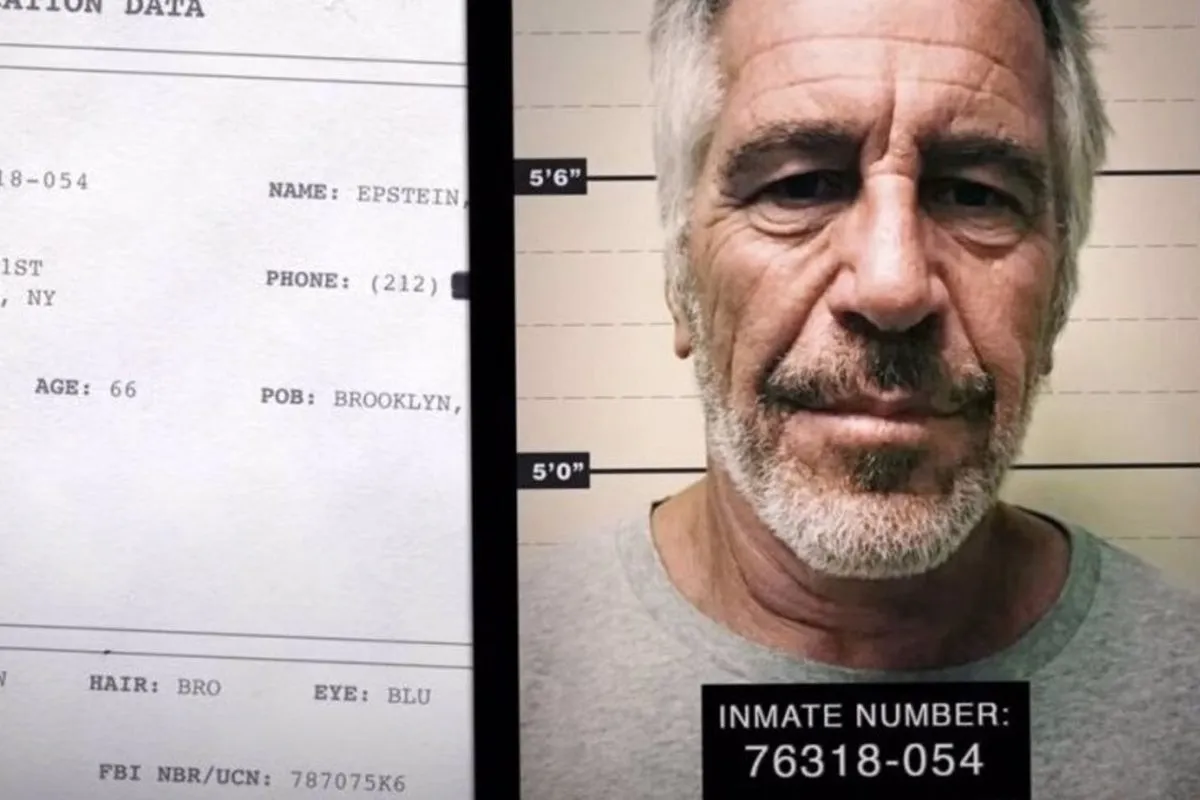
Jeffrey Epstein Transactions Total $600 Million in Suspicious Activity
The leaked records show Deutsche Bank accepted Jeffrey Epstein as a client in 2013, years after his conviction for soliciting prostitution from a minor. Internal documents indicate the bank later identified approximately $600 million in suspicious transactions connected to Epstein and his associates, a figure significantly higher than previously disclosed to the public.
The bank has acknowledged its error in accepting Epstein as a client and stated it regrets the relationship. Deutsche Bank also said it cooperated with judicial authorities, regulators, and the US Congress in investigations. But the scale of the flagged transactions raises questions about why the accounts remained active for so long despite internal warnings.
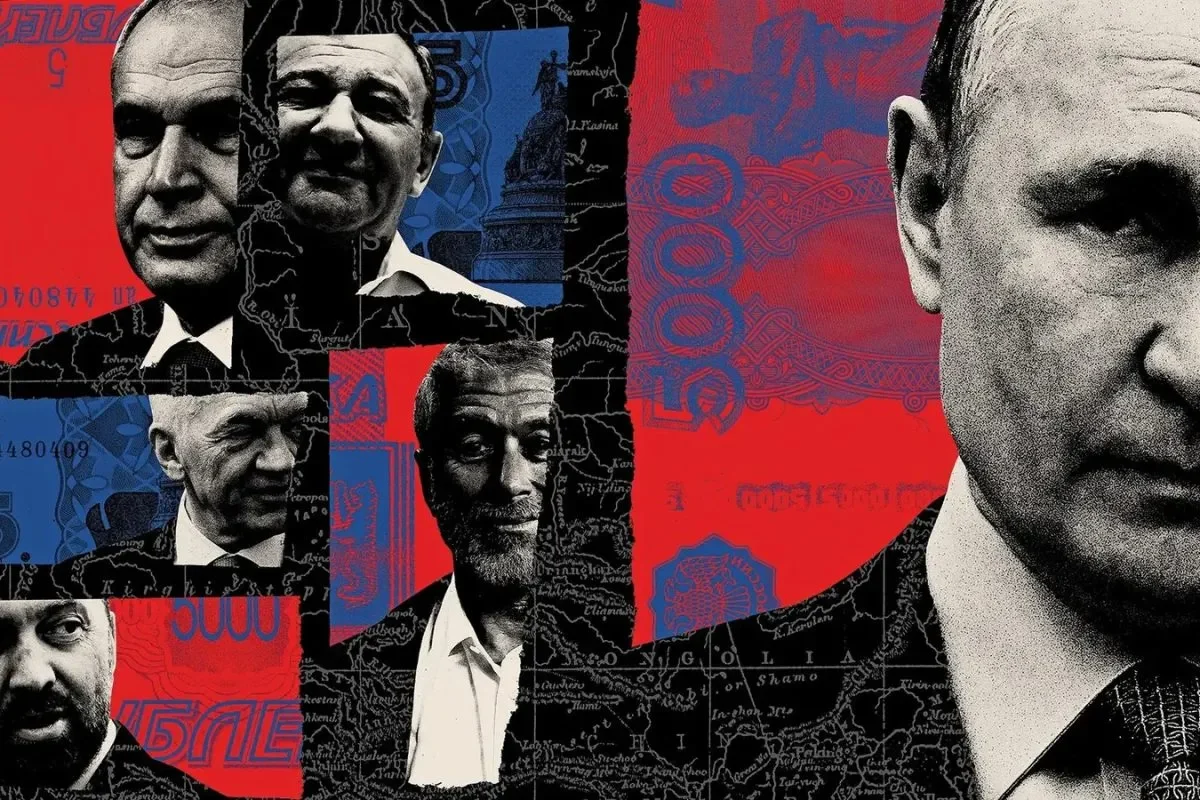
Russian Oligarchs and the 1MDB Scandal Surface in Leaked Files
Beyond Epstein, the documents reference financial ties to former US President Donald Trump and operations that triggered internal alerts over potential money laundering links in Russia and Azerbaijan. Russian oligarchs Oleg Deripaska and Roman Abramovich appear in the files, alongside Malaysian financier Jho Low, the central figure in the 1MDB embezzlement scandal where more than $4.5 billion was allegedly diverted from a state investment fund.
According to the investigation, Deutsche Bank continued processing million-dollar transfers to Low in 2015 despite negative information and internal suspicious activity reports already on file. The 1MDB case became one of the largest international financial scandals in recent years, resulting in criminal charges across multiple jurisdictions.
¿Qué es #InsideDeutscheBank? ¿De dónde proceden los documentos? ¿Qué responde Deutsche Bank a las acusaciones? 📍Todo lo que necesitas saber sobre la investigación periodística que hoy publicamos más de 50 medios de comunicación de todo el mundo. https://t.co/pTiwHh4ptI
— Concolón Panamá (@ConcolonPanama) November 17, 2026
Internal Tensions Reveal Gaps in Financial Investigation Protocols
The leaked documents expose friction between risk monitoring departments and commercial teams eager to retain high-net-worth clients. One 2019 internal investigation uncovered an extensive network of suspicious operations that moved hundreds of millions of euros through companies registered in Cyprus, the United Kingdom, Hong Kong, and Ukraine.
Surveillance systems flagged some warning signs but failed to detect the scheme as a whole. Roughly three years passed before a single employee identified the pattern and alerted management to the control failures. Another case, internally labeled Project Cali, showed the bank processed thousands of transactions for companies linked to the adult entertainment industry through payment circuits directed at women in Colombia.
The documents suggest that Deutsche Bank’s financial investigation systems operated in silos, preventing analysts from connecting transactions across different jurisdictions and business units. This fragmentation allowed suspicious activity to continue undetected for years in several documented cases.

Regulatory Scrutiny and Industry Implications
The leak arrives as global regulators intensify pressure on major banks to strengthen anti-money laundering programs. Deutsche Bank has faced repeated fines over compliance failures in recent years, including penalties to its Russia operations and correspondent banking practices.
The scale of this document release, described by its authors as the largest leak of internal bank records ever obtained by journalists, may prompt renewed regulatory reviews and congressional inquiries. It also underscores persistent challenges facing financial institutions attempting to balance client profitability against compliance obligations in an increasingly complex global banking environment.