


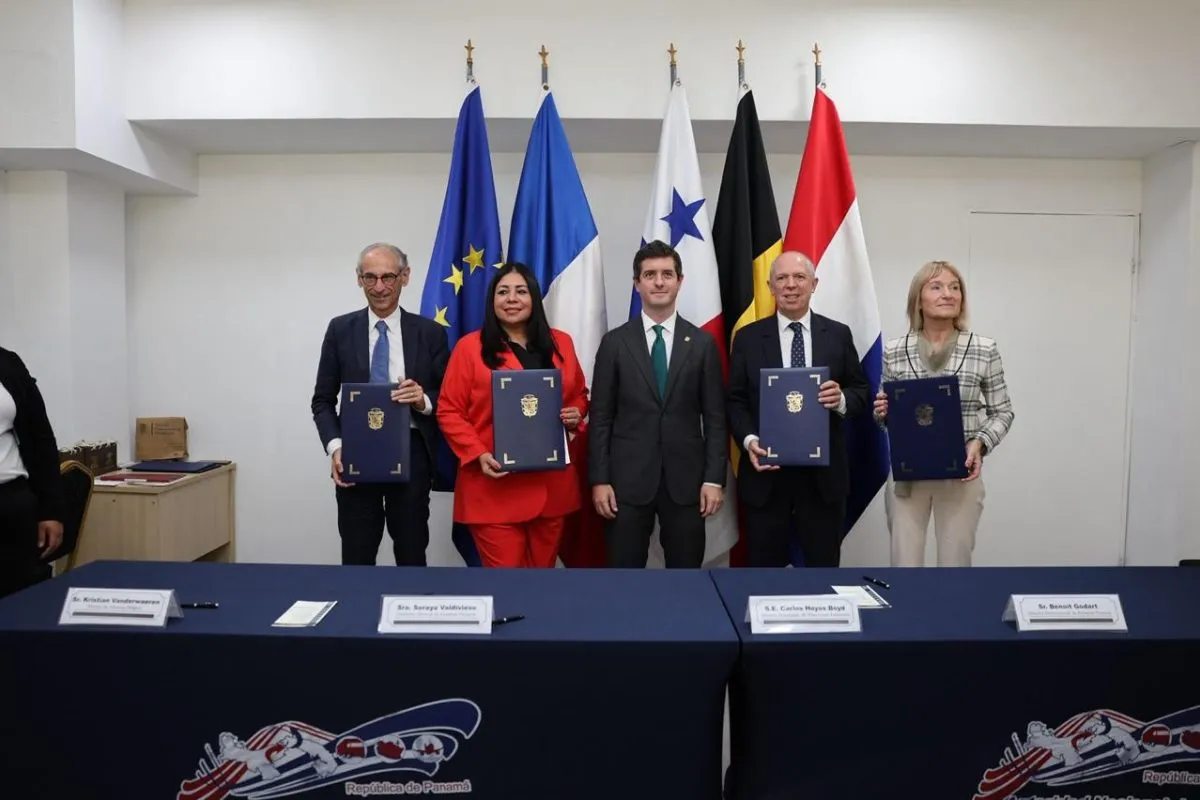
Panama’s fiscal agenda enters a critical new phase this week as international tax experts gather in Panama City to assess the country’s path forward following its formal removal from the European Union’s non-cooperative jurisdictions list. The III International Taxation Congress, organized by the International Fiscal Association (IFA) Panama Chapter, runs November 18 and 19 and draws representatives from the World Bank, the Inter-American Center of Tax Administrations (CIAT), and Harvard University’s Kennedy School.
The timing is significant. Panama secured a Council of the European Union resolution transferring it from Annex I, the blacklist of non-cooperative tax jurisdictions, to Annex II, the gray list for jurisdictions under cooperative monitoring. But that shift carries ongoing obligations, including a Global Forum review by the Organisation for Economic Co-operation and Development (OECD) on effective exchange of tax information upon request and continued supervision of the country’s Registry of Beneficial Owners.

Panama Fiscal Agenda and the Substance Law Framework
The gathering follows passage of Law 526 on Economic Substance, a legislative response to international pressure for companies registered in Panama to demonstrate genuine operational presence. Organizers say the congress aims to help Panama redefine its fiscal strategy to strengthen international positioning, attract investment, and meet global standards without sacrificing competitiveness.
Gerardo Herrera-Martínez, president of IFA Panama Chapter, framed the moment as pivotal for the country’s role in global tax architecture.
‘This Congress arrives at a time when transparency, economic substance, and tax competition are redefining the international fiscal architecture. Panama today has the opportunity, and the responsibility, to participate actively in that debate, not just as a receiver of standards, but as a technical actor with its own voice in the regional scenario’ [Translated from Spanish]
International Experts Weigh In on Tax Cooperation
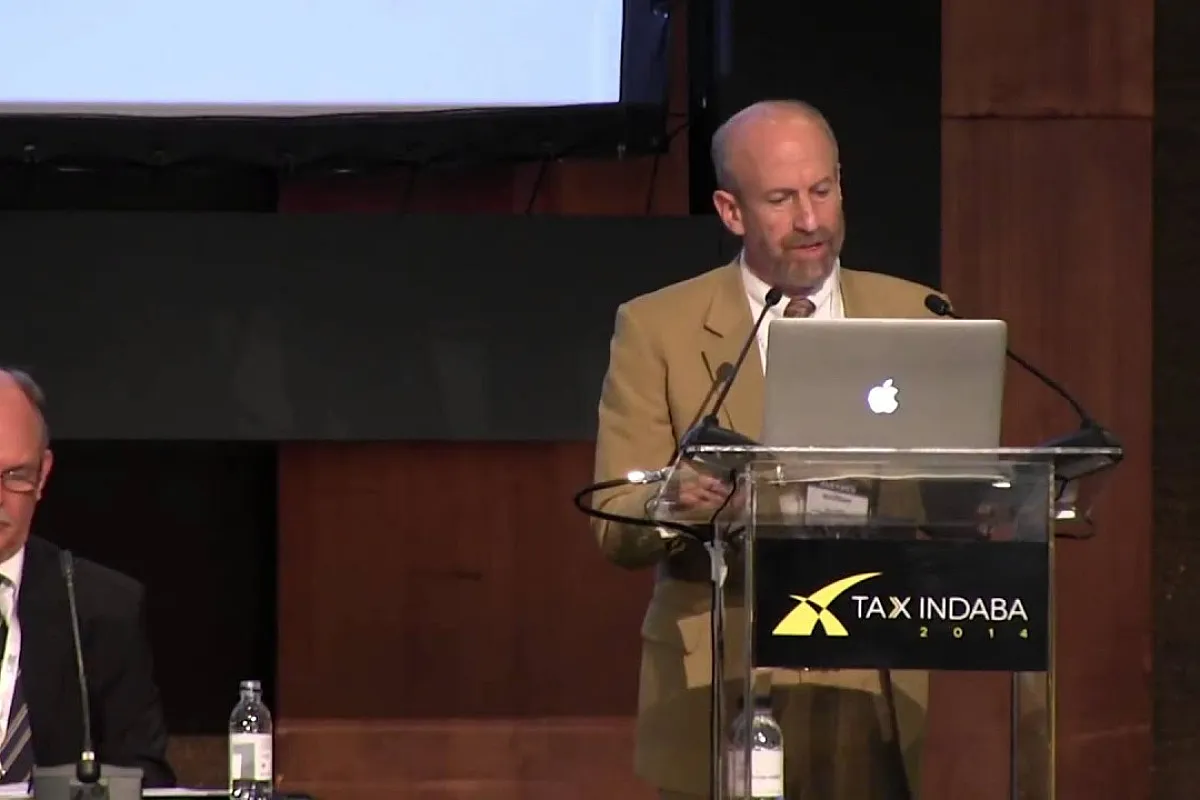
The keynote address comes from Jay K. Rosengard, a Harvard Kennedy School professor with 55 years of experience in tax reform and public finance. Rosengard, co-author with Nobel laureate Joseph E. Stiglitz of the book The Economics of the Public Sector, will present a lecture titled “From Compliance to Legitimacy: The New International Fiscal Contract.”
His participation signals the congress’s ambition to move beyond technical compliance toward broader questions of trust and institutional legitimacy in tax systems. The event also features national and international tax specialists alongside officials from multilateral bodies involved in shaping global tax policy.

Regional Positioning and Investment Climate
For Panama, the stakes extend beyond regulatory checkboxes. The country competes for foreign direct investment against regional financial centers that face similar transparency pressures. Maintaining a credible but business-friendly tax environment requires balancing OECD expectations with domestic economic priorities.
The congress agenda reflects this tension, with sessions designed to address competitiveness challenges and new cooperation requirements simultaneously. Panamanian authorities are expected to outline how the country plans to meet its gray list commitments while preserving the advantages that make it an attractive hub for multinational operations.
As the two-day event unfolds, participants will likely focus on practical implementation of Panama’s fiscal agenda rather than abstract policy debates. The presence of World Bank and CIAT representatives underscores the international community’s interest in Panama’s next steps. For a country navigating the gap between blacklist removal and sustained compliance, the congress offers a platform to shape perceptions and set technical priorities for the months ahead.