


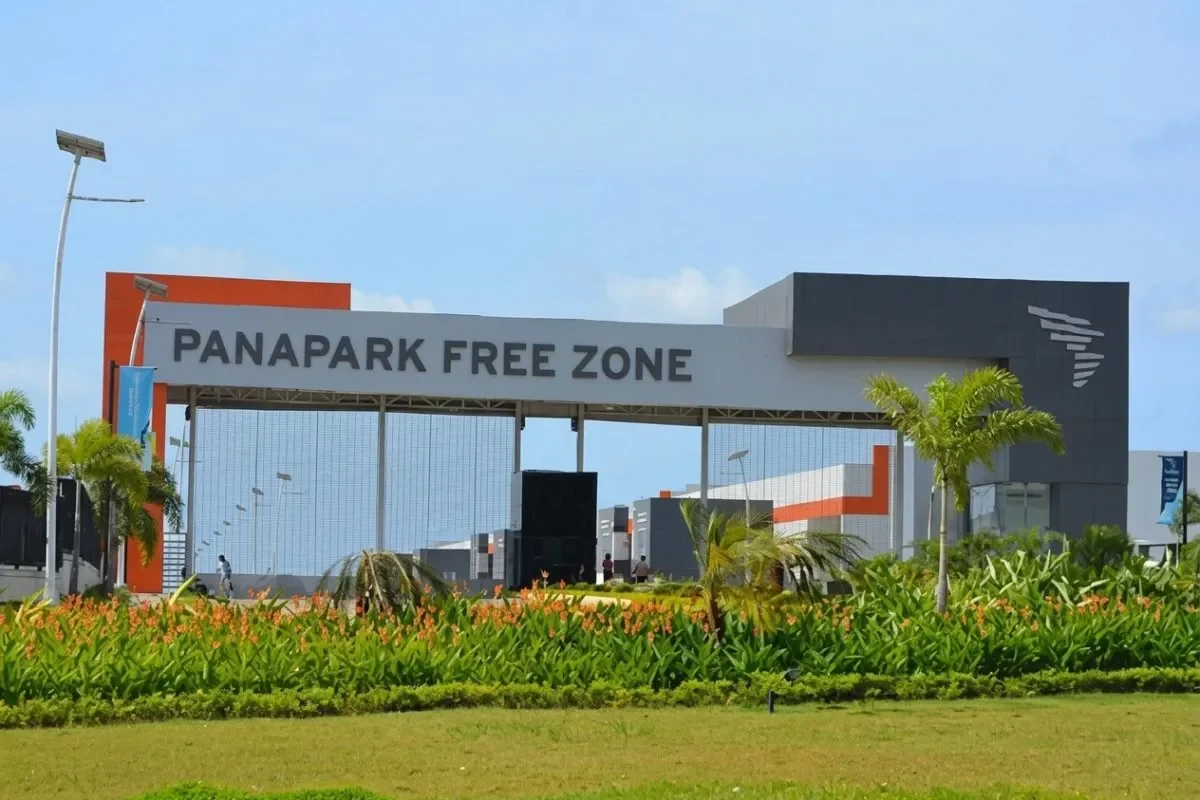
Panama is repositioning its free trade zones to capture a new wave of manufacturing investment, moving beyond traditional warehousing and distribution into higher-value industrial activities. Government officials and logistics executives confirmed this week that 19 active zones and six more in development are now courting pharmaceutical, technology, and assembly operations.
The Ministry of Commerce and Industries (MICI) reports that companies operating within these special economic areas already contribute more than $900 million to Panama’s gross domestic product. The push now centers on converting geographic advantage into industrial capacity before goods reach regional markets.
Manufacturing Investment Panama Expands Beyond Logistics
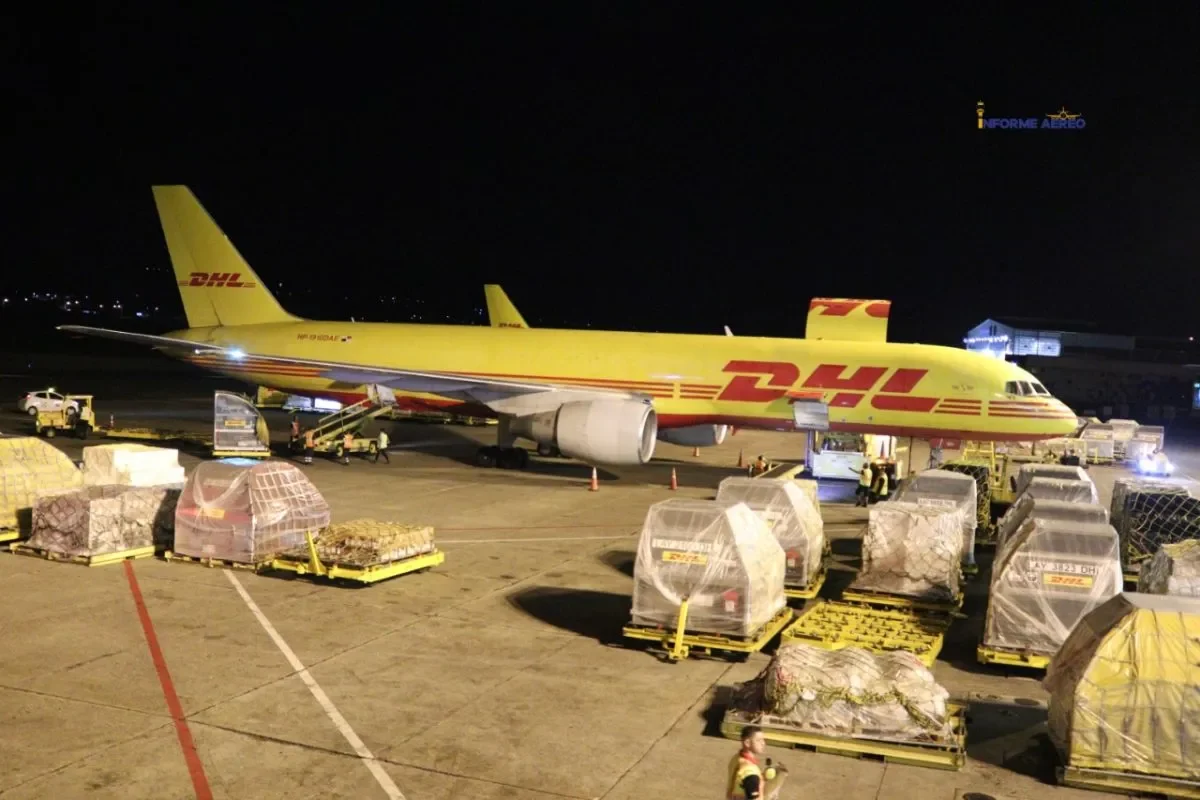
Sandra Miró, general manager of DHL Express Panama, said the country is shifting from a pure logistics hub into a full business center. Companies can use ports, airports, and special regime incentives to condition, enhance, and embed technology into products before regional distribution, she explained.
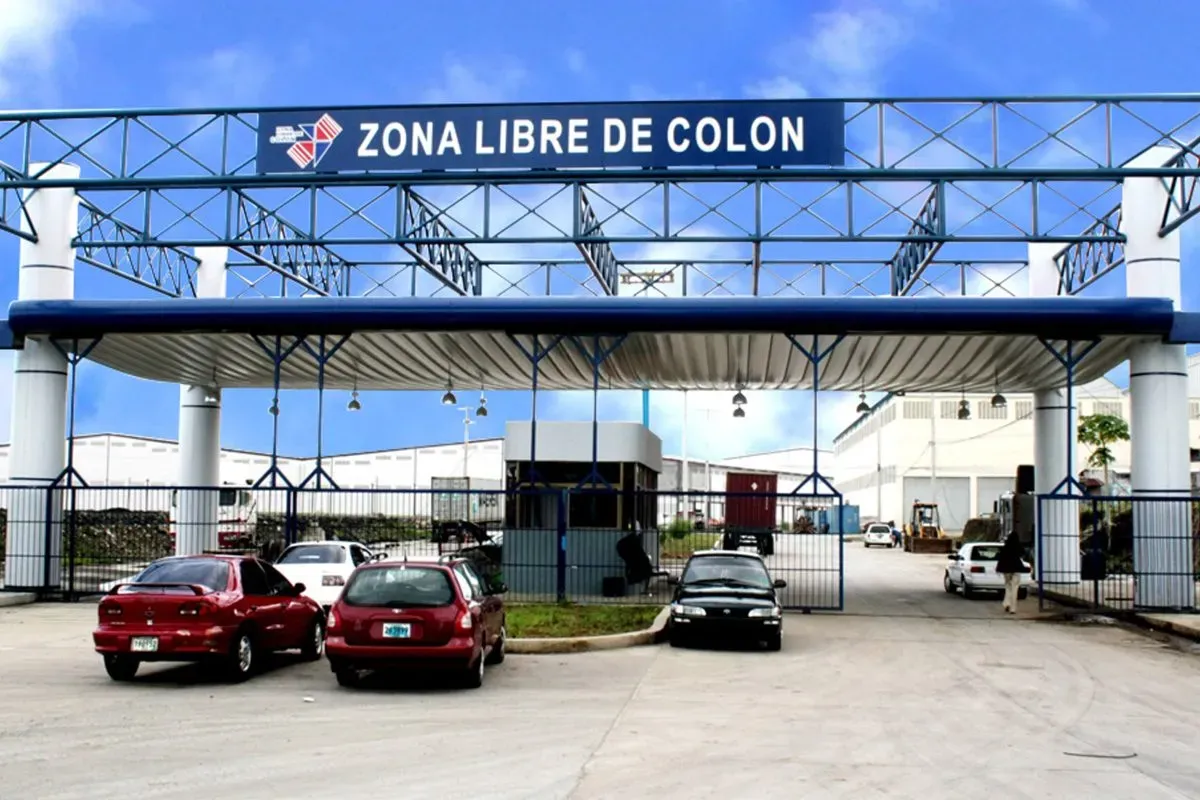
Two new free zone licenses were approved this year in La Chorrera and Colón. These additions bring the total pipeline to 25 zones, with 150 companies currently exporting goods and services to markets across Asia, Europe, and the Americas.
The pharmaceutical sector maintains a particularly strong presence. Miró noted that several drug companies operate regional headquarters in Panama to manage distribution of over-the-counter medicines, vaccines, and specialized products. Technology equipment, spare parts, and components from international firms also move through these complexes.
Investment Figures and Growth Projections
During this year alone, 24 companies established operations within Panama’s free zones, bringing combined investments exceeding $50 million. Miró projected that newer zones could achieve double-digit growth rates within five years, contingent on continued corporate arrivals.
Jalila Carrillo, CEO for Central and South America at DHL, emphasized Panama’s connectivity as the core selling point. The country’s air operations center maintains 16 daily flights and connections to 220 countries, creating unmatched access for suppliers and clients across disparate markets.
“Free zones are fundamental for connecting all this trade with the world” [Translated from Spanish]
The air and logistics infrastructure serves as the primary argument for attracting new industrial investment. Port capacity on both the Atlantic and Pacific coasts allows manufacturers to receive raw materials and ship finished goods without transshipment delays.

Value-Added Strategy and Regional Competition
The strategic shift responds to growing competition from other Latin American nations offering similar incentives. Panama’s differentiation lies in performing value-added processes domestically rather than serving purely as a pass-through point. Companies can assemble products, apply quality controls, and customize technology before export.
MICI data indicates the free zone model now supports export-oriented businesses that generate employment beyond basic logistics roles. Manufacturing operations require technicians, quality inspectors, and specialized warehouse staff, creating broader economic benefits than traditional distribution centers.

The government’s approval of new licenses in La Chorrera and Colón signals intent to spread industrial development beyond Panama City. Both locations offer proximity to major transport corridors while providing land for larger manufacturing facilities than urban areas allow.
Executives remain optimistic about capturing pharmaceutical production, medical device assembly, and technology component manufacturing. These sectors align with existing multinational presence and could anchor long-term industrial clusters within the free zone framework.