


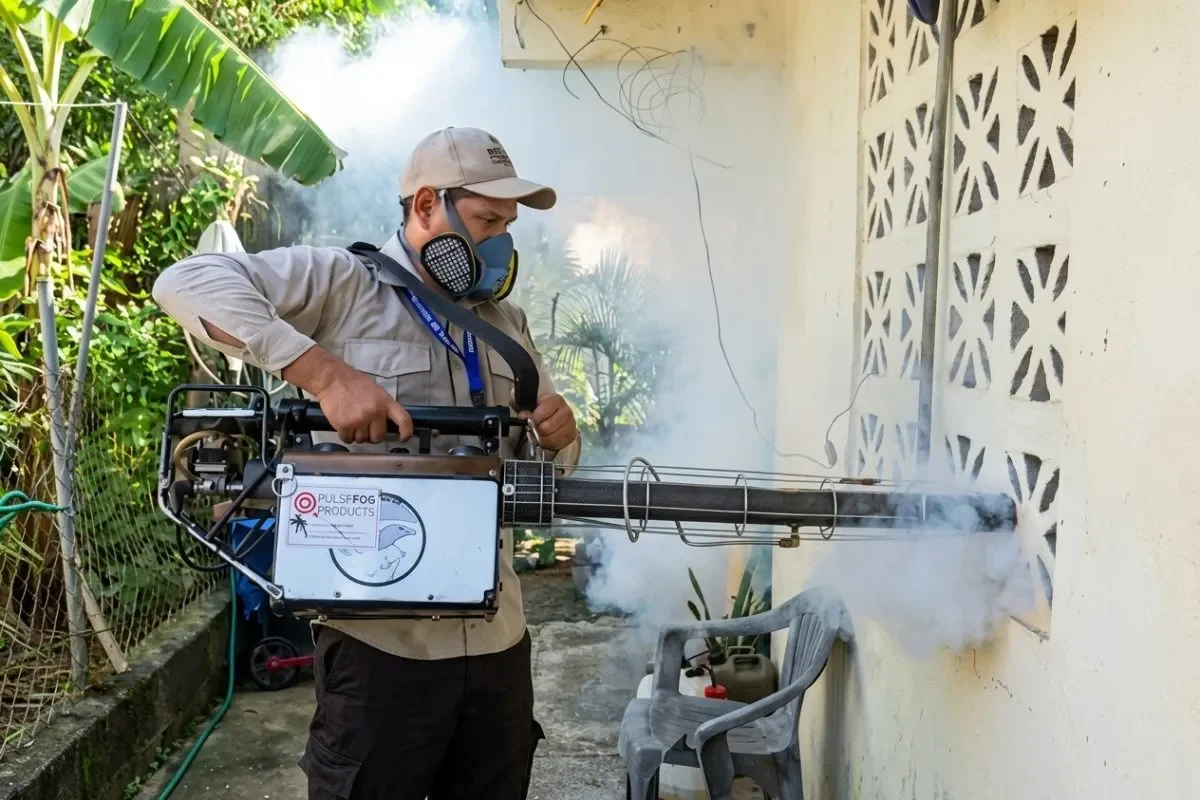
Panama’s Ministry of Health has confirmed a Colon dengue outbreak in the district of Santa Isabel, where two communities now account for 44 active cases and health teams have launched emergency containment operations. The outbreak spans Miramar and Nombre de Dios, with infections striking residents across all age groups.
Officials confirmed the dual outbreak this week after surveillance data revealed a sharp spike in cases. Miramar carries the heaviest burden with 37 confirmed infections, while Nombre de Dios has reported seven. Children under five and elderly residents are among those affected, signaling widespread community transmission rather than isolated incidents.
Colon Dengue Outbreak Response and Containment Measures
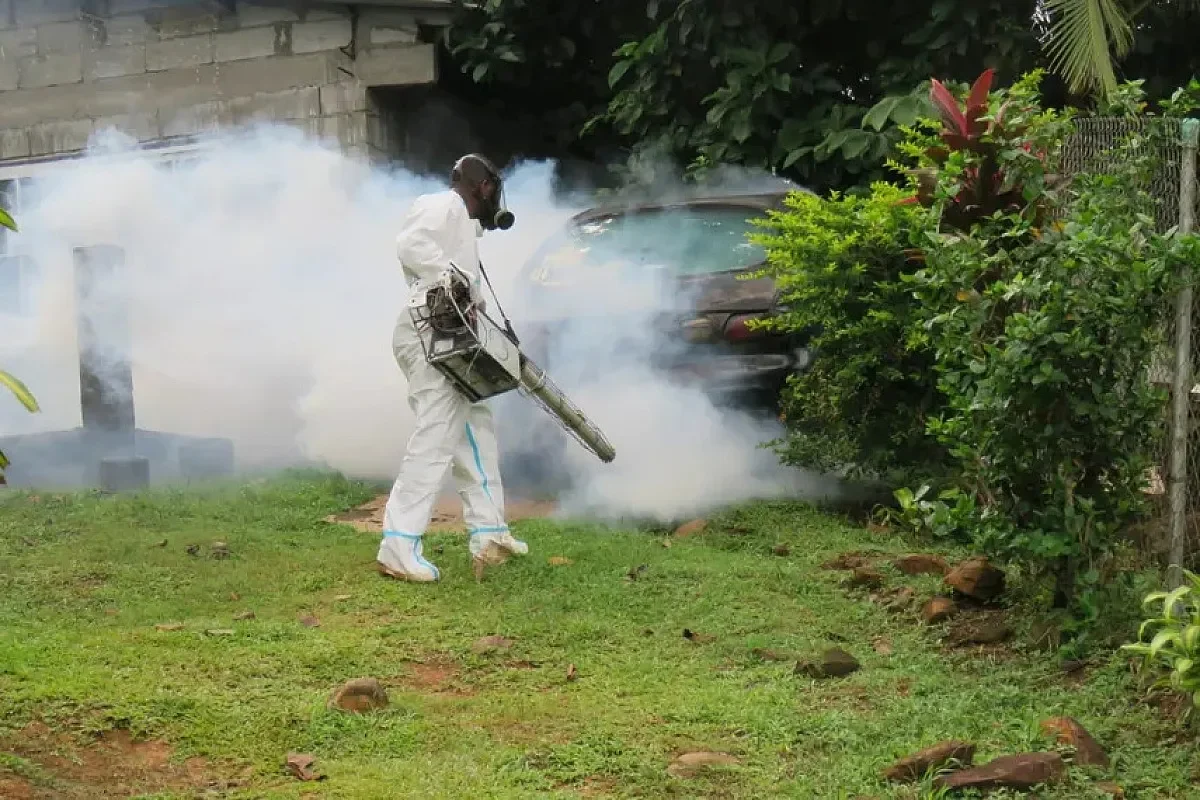
Health authorities deployed nebulization teams and door-to-door education campaigns immediately after confirming the outbreak. Giovanca Gómez, a Ministry of Health representative, said crews are working to eliminate mosquito breeding sites and slow the infection rate before the situation worsens.
“Right now we have 2,912 accumulated cases in the entire province and we are evaluating other locations” [Translated from Spanish]
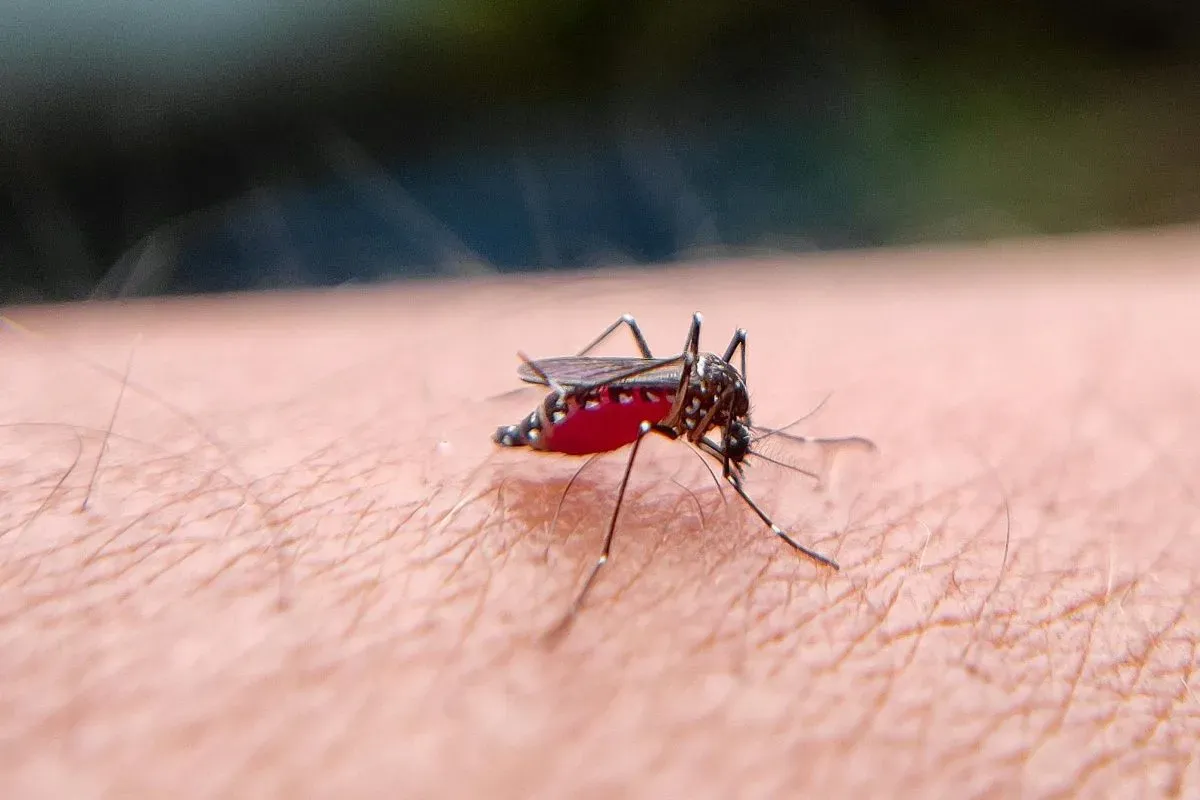
The response focuses on destroying Aedes aegypti breeding grounds, the mosquito species responsible for dengue transmission. Teams are treating standing water sources and urging residents to remove containers that collect rainwater around homes.
Provincial Dengue Crisis Deepens With Four Deaths
The Santa Isabel outbreak reflects a broader provincial emergency. Colon has recorded more than 2,900 dengue cases this year, with four confirmed deaths. The hardest-hit corregimientos include Cristóbal Este, Sabanitas, Cativá, and Puerto Pilón, each reporting sustained transmission levels that have strained local health services.
Epidemiologists are now evaluating additional communities for potential outbreak declarations. The concentration of cases in urban and peri-urban areas suggests mosquito populations have established themselves in densely populated zones where water storage practices and waste management create ideal breeding conditions.
Public Health Advisory and Symptom Awareness
Ministry officials reiterated calls for residents to eliminate standing water, keep surroundings clear of debris, and seek medical attention at the first sign of symptoms. Fever, headache, and general malaise are the primary warning signs that require immediate evaluation at health centers.
The outbreak response combines vector control with community engagement, an approach health authorities say is critical given the mosquito’s adaptation to urban environments. Officials continue monitoring case counts daily as they assess whether containment measures are slowing transmission rates in the affected communities.