


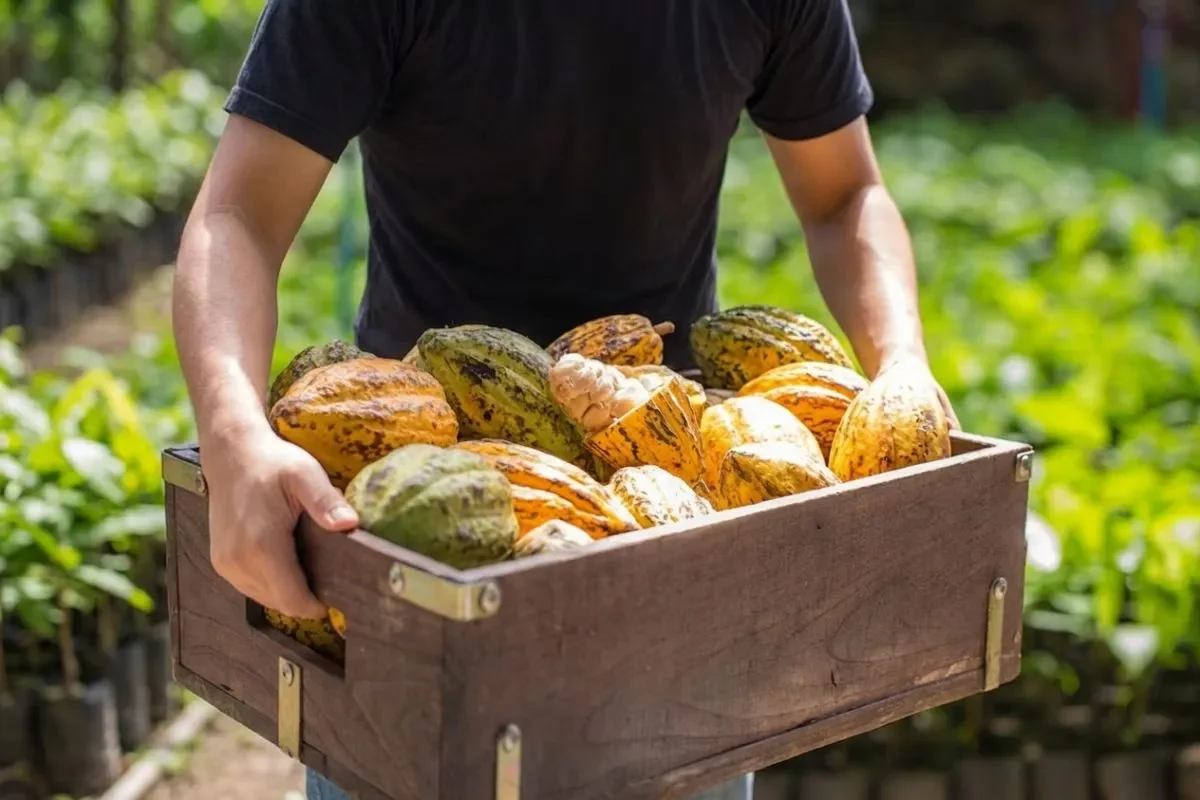
A shipment of 75 metric tons of Panamanian cocoa is heading to Switzerland, Germany, and France, opening new commercial channels for more than 1,500 farming families in Bocas del Toro province. The deal, confirmed by the Ministry of Commerce and Industries (MICI), marks a significant step for Panama cocoa exports as the country seeks to expand beyond regional buyers.
The Bocatoreña Cocoa Cooperative (COCABO R.L.) has already completed deliveries to Swiss buyers and remains in active negotiations with German and French importers for additional lots ranging from 25 to 50 metric tons each. Government officials said the agreements could double current export volumes and potentially pave the way for entry into the United States market.
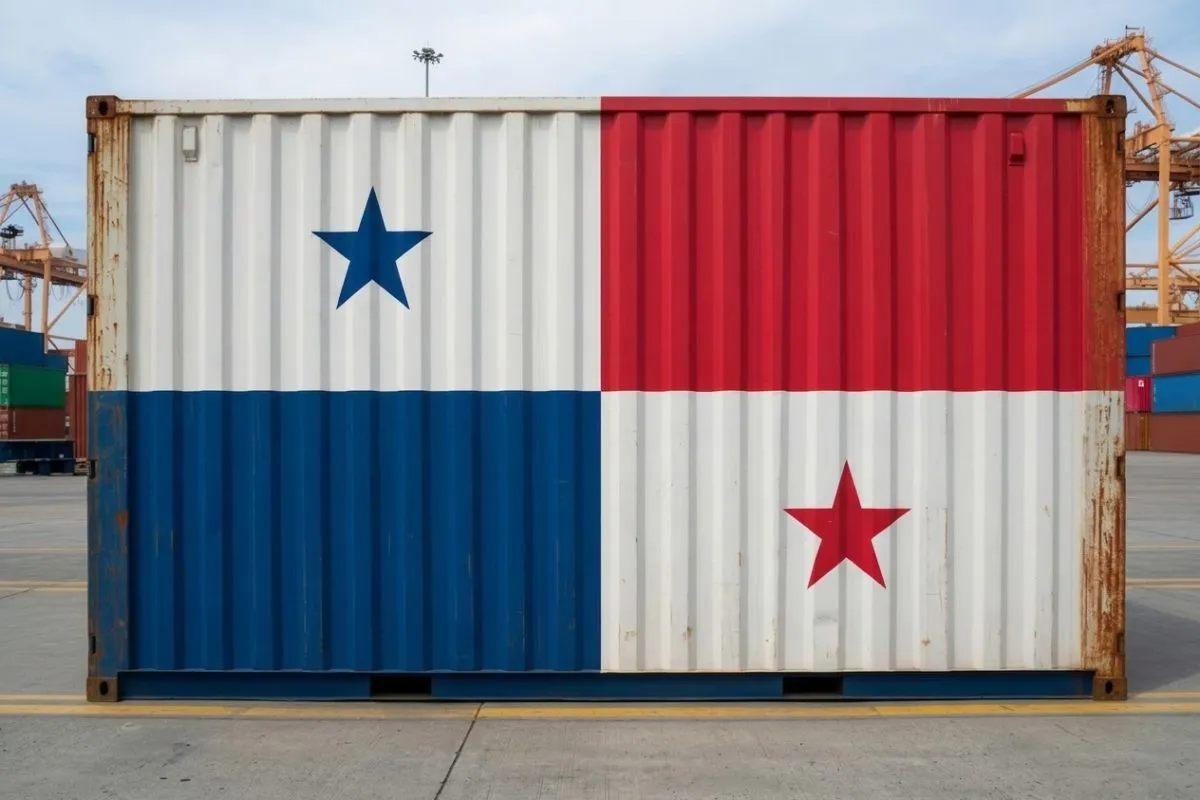
Panama Cocoa Exports Reach New European Buyers
COCABO general manager Manuel Palacios credited international trade promotion events for establishing direct relationships with European clients. The cooperative’s participation in these activities allowed small-scale producers to negotiate contracts directly, bypassing intermediaries that traditionally captured a larger share of profits.
The cooperative manages approximately 3,185 hectares of cocoa plantations, producing around 350 tons annually. Between 2023 and 2026, Panama exported cocoa and cocoa preparations valued at more than $29 million, according to official trade data. The new European agreements target quality-conscious markets that demand traceability and certification, requirements that Panamanian cooperatives have been working to meet.
El cacao de Bocas del Toro busca duplicar sus exportaciones a Europa y EE. UU. https://t.co/NecZ4YFzhE
— ALIMENTARIA PANAMÁ (@alimentariapty) November 7, 2026
Rural Communities Drive Production Growth
Cocoa cultivation remains concentrated in Bocas del Toro and the Ngäbe Buglé indigenous region, with additional plantings in Colón, Darién, and Panama East. Within Bocas del Toro, the main production zones include Almirante, Changuinola, and Valle de Risco, where farming serves as a primary economic alternative for rural households.
The Ngäbe Buglé region presents particular logistical challenges, including limited road access and gaps in technical assistance. Producers there face higher transportation costs and difficulty reaching commercial markets, issues that MICI officials said they are working to address through direct buyer connections and negotiation support.
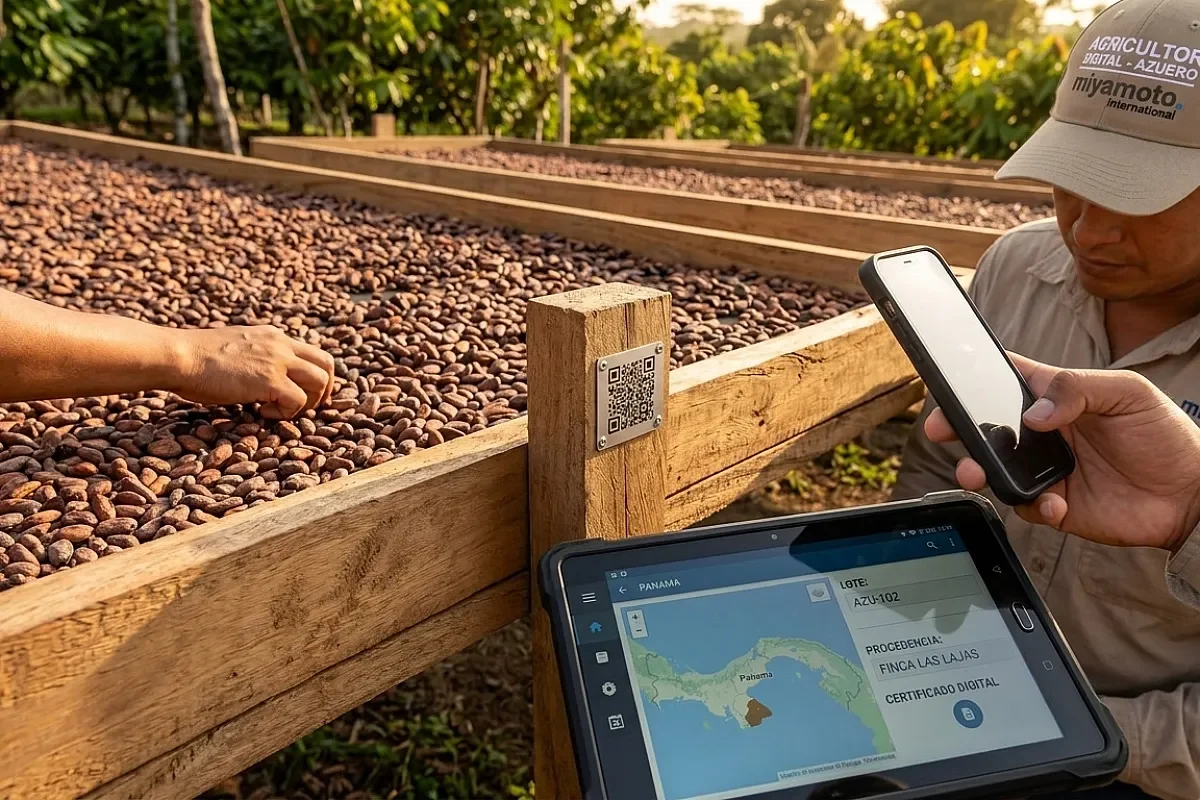
Government Strategy Targets Long-Term Market Access
Commerce and Industries Minister Julio Moltó emphasized that the market-opening strategy aims to generate employment and investment results for producing communities. The government’s approach includes facilitating commercial contacts, accompanying negotiations, and reducing barriers that cooperatives face when accessing international buyers.
“The opening of markets seeks to generate results in employment and investment, especially for producing communities” [Translated from Spanish]

The European interest signals growing recognition of Panamanian cocoa quality. Industry analysts note that Switzerland’s chocolate manufacturing sector, among the world’s most demanding, provides a strong reference point for other potential buyers. If German and French negotiations conclude successfully, the cooperative could secure contracts totaling up to 100 additional tons annually, a substantial increase from current export levels.
For the 1,500 families involved in cocoa production, the expanded market access offers a path toward more stable incomes and long-term investment in plantation improvements. The cooperative model has allowed smallholders to pool resources for certification and quality control, requirements that individual farmers would struggle to meet independently.