


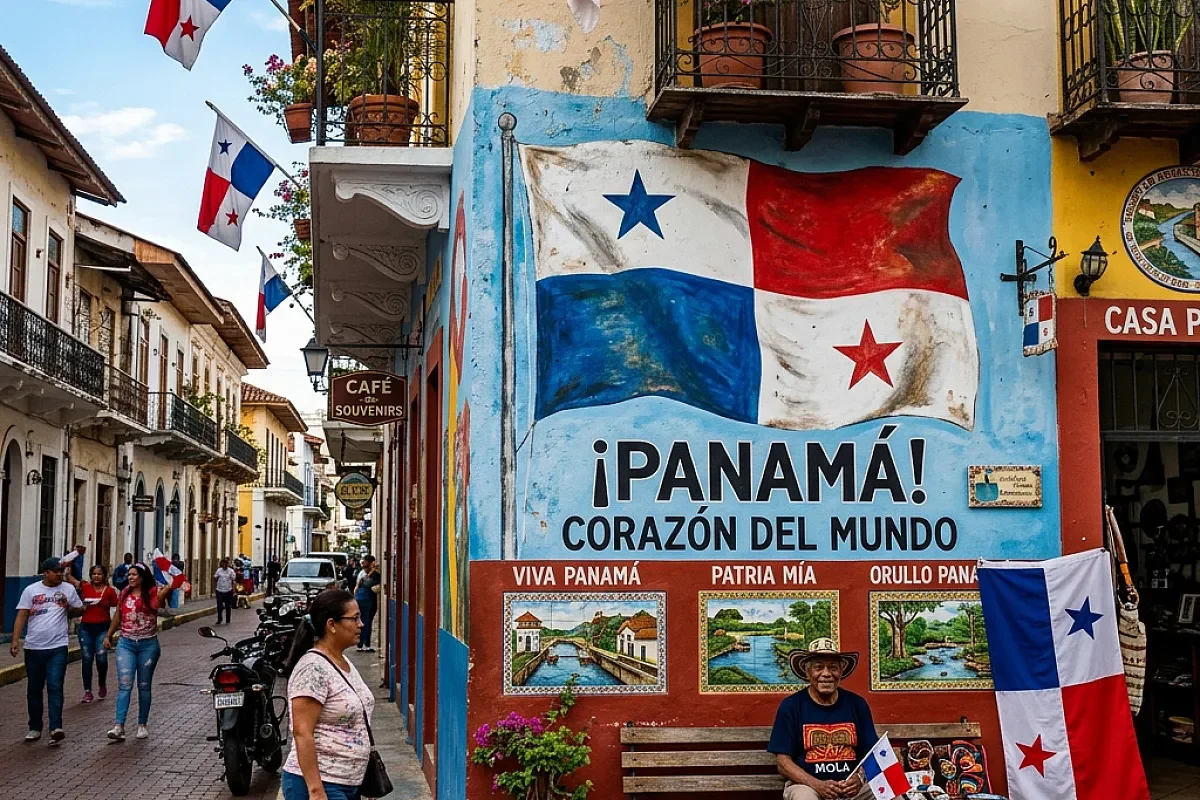
Every November 4, Panama pauses to honor something deeper than a holiday on the calendar. The observance known as National Symbols Day celebrates the flag, the coat of arms, and the national anthem, three emblems born from the urgency of a newborn republic. What many don’t realize is how quickly these icons took shape after separation from Colombia on November 3, 1903. Within a single generation, a country that had existed only as a Colombian department crafted a visual and auditory identity that would anchor its sovereignty for over a century.
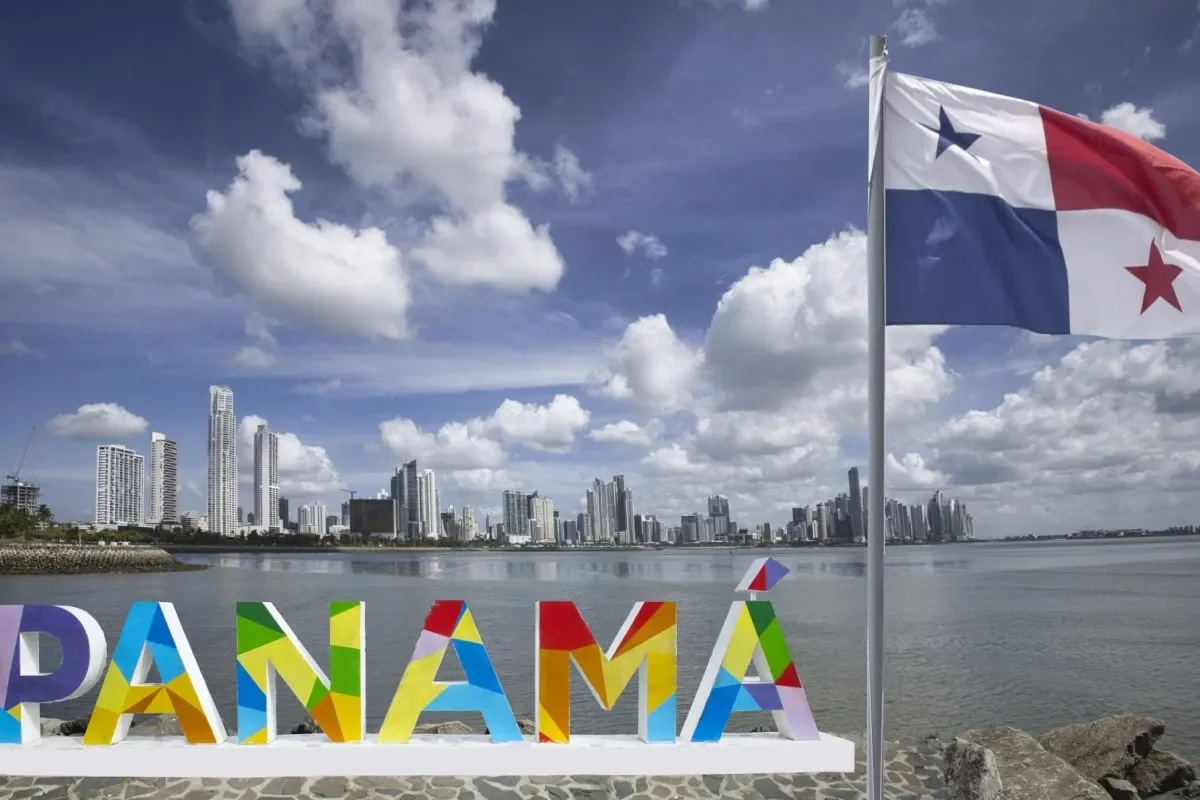
The legal foundation for this commemoration sits in Law 2 of January 23, 2012, which reformed the original Law 34 of 1949. Article 50 of that legislation formally designated November 4 as National Symbols Day. Before the reform, Panamanians knew the date primarily as Flag Day. The first official celebration under the new name occurred in 2013, marking a shift toward recognizing all three emblems collectively rather than elevating one above the others.
The Flag’s Quiet Beginning in a Family Home
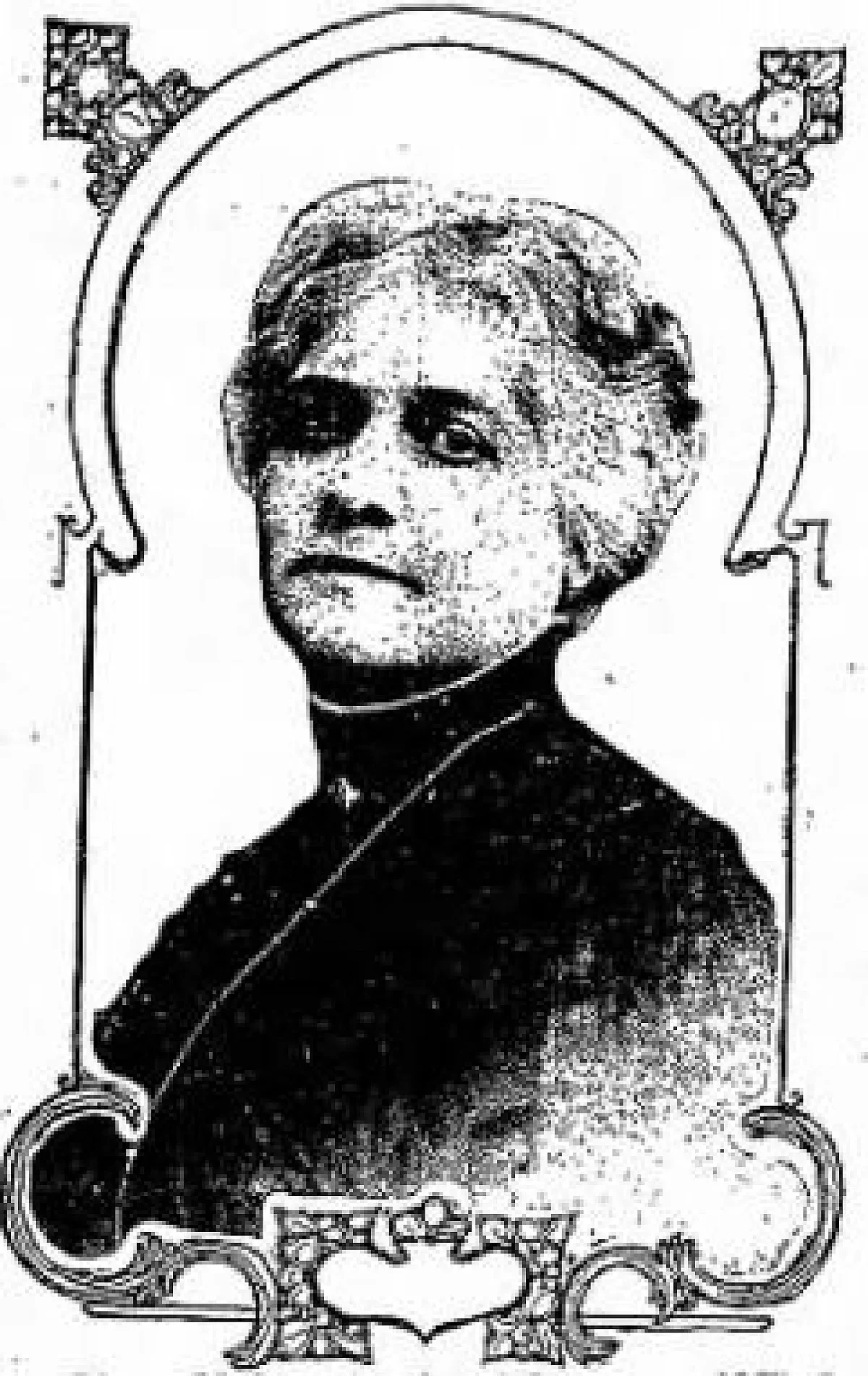
Few national flags have origins as intimate as Panama’s. The design came from Manuel Encarnación Amador Terreros, son of the first Panamanian president, Manuel Amador Guerrero. But the physical flag itself emerged from the hands of María Ossa de Amador, who worked alongside Angélica Bergamotta de Ossa to sew the first banner. This was not a project commissioned in a government hall, it was stitched in private quarters, away from the watchful eyes of Colombian authorities who still controlled the isthmus.
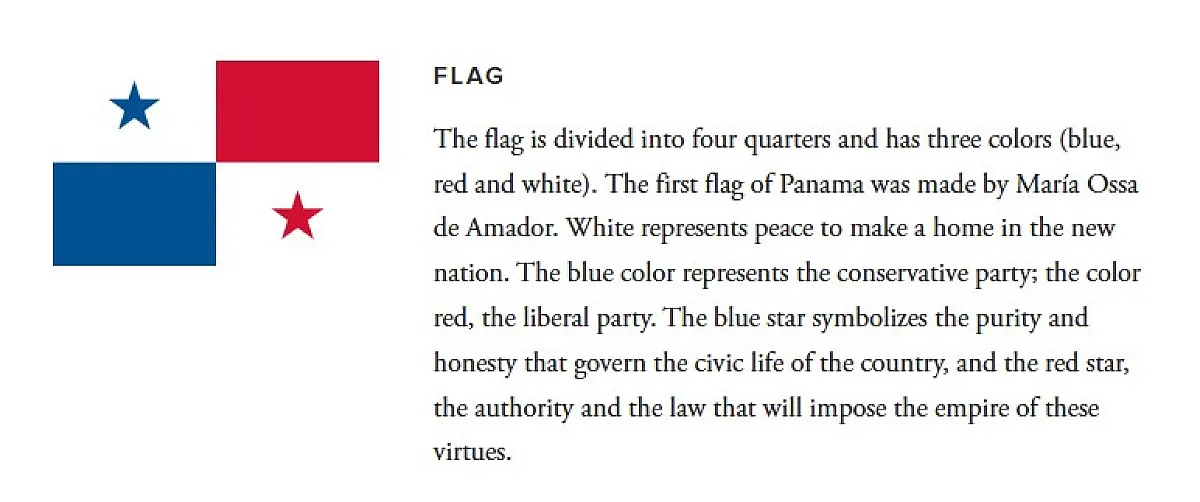
Historical records from the Ministry of Government indicate the flag was first presented on November 3, 1903, the very day separation was declared. The following day, November 4, it was paraded through the streets for the first time. That moment of public display cemented the date’s significance long before any law formalized the celebration. The flag’s design, with its divided quadrants of red, white, and blue, carried deliberate meaning about the political landscape of the era, with red representing the Liberal Party and blue the Conservative Party, while white stood for the peace between them.
National Symbols Day and the Coat of Arms Evolution
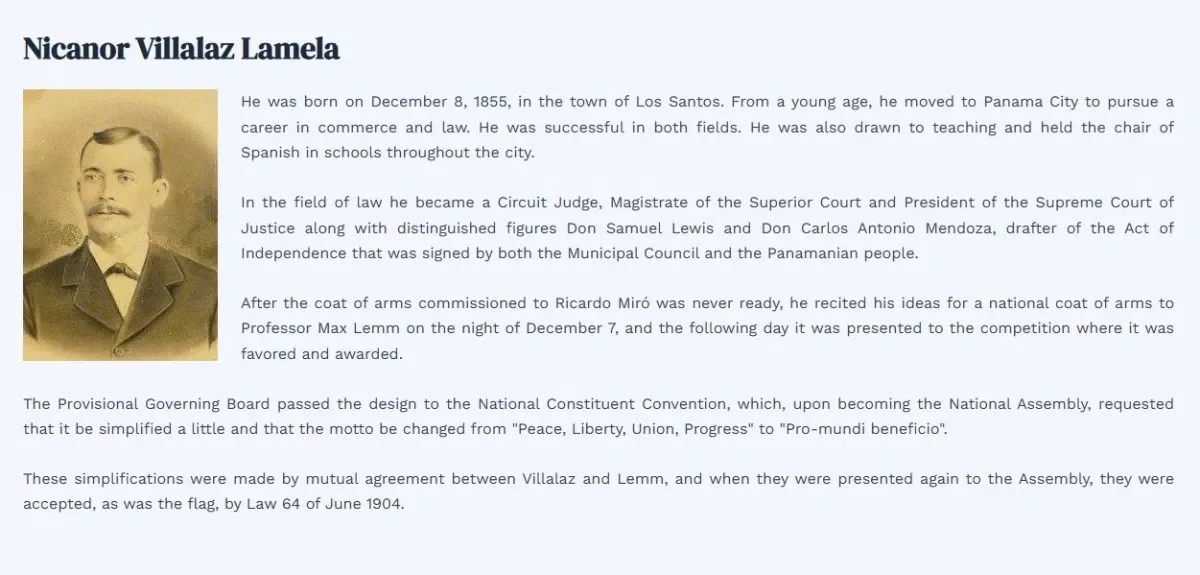
While the flag took shape through family effort, the national coat of arms emerged from a different creative partnership. Nicanor Villalaz Lamela conceived the design, and his brother Sebastián Villalaz contributed the artistic rendering. Their work responded to a pressing need for an official emblem that could represent Panama’s natural wealth, geographic position, and economic promise on the world stage. The original design featured elements that remain recognizable today, including the crossed sword and rifle, the shovel and pickaxe, and the cornucopia spilling with coins.
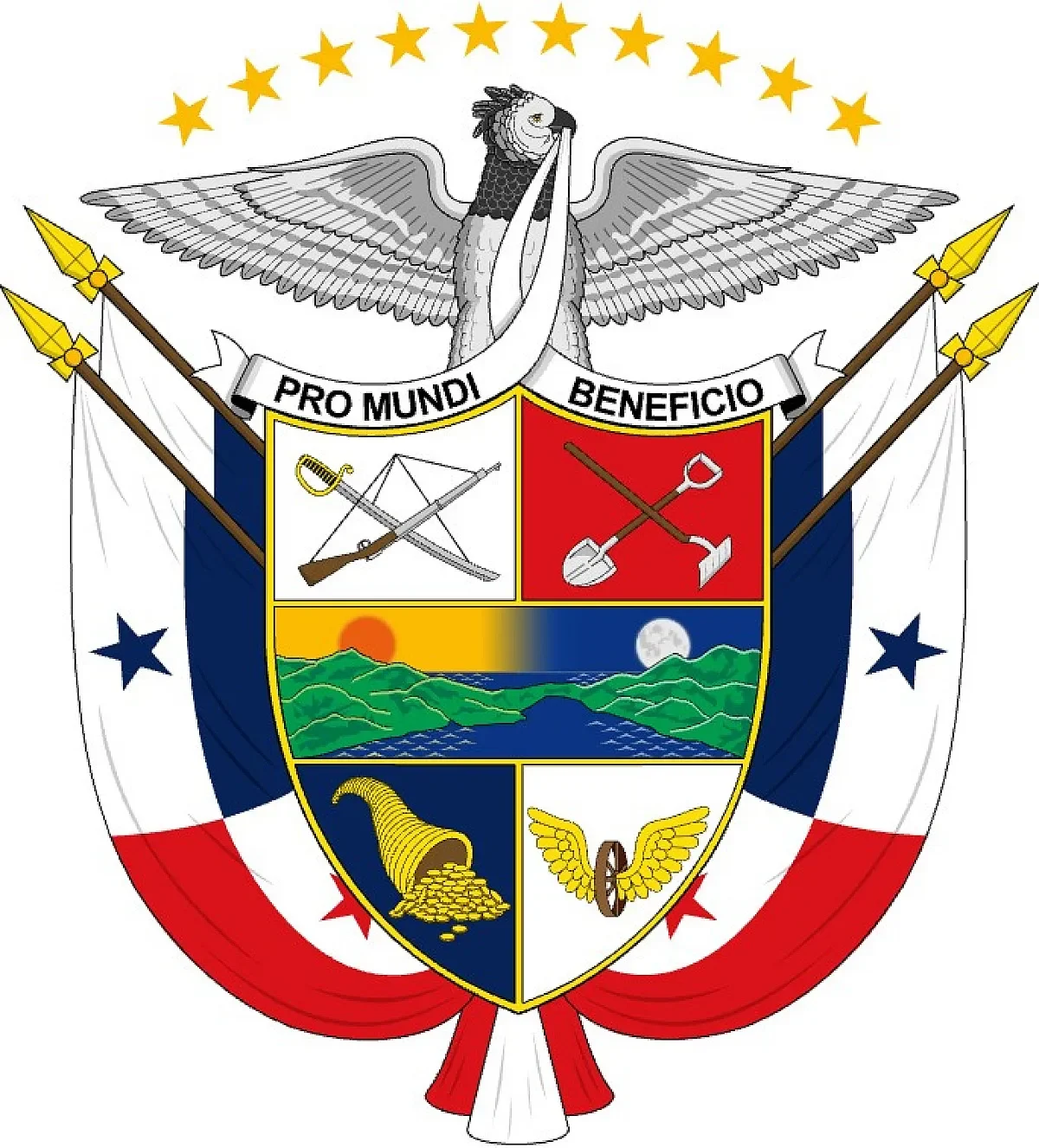

Panama Coat of Arms: Symbols and Meaning Explained
| Element | Description | Symbolism |
|---|---|---|
| Crest | A harpy eagle rising with wings displayed and elevated argent, ensigned by an arc of ten stars Or, holding in its beak an escrol bearing the motto | Sovereignty, strength, and the ten provinces of Panama |
| Shield — First Quarter | Argent, a sabre and rifle saltireways proper | Defense and readiness to protect the nation |
| Shield — Second Quarter | Gules, a spade and hoe also saltireways and proper | Labor and agricultural heritage |
| Shield — Third Quarter | Azure, a cornucopia with mouth downwards discharging coins Or | Wealth, abundance, and commerce |
| Shield — Fourth Quarter | Argent, a winged wheel Or | Progress, transportation, and the Panama Canal |
| Shield — Fess | A landscape of the isthmus of Panama with a setting sun and a rising moon, all proper | The nation’s unique geographic position between two oceans |
| Supporters | Four banners, quarterly: first and fourth argent, second gules, third azure, with a star azure in the first quarter and another gules in the fourth | National flags and the historical link to Colombia |
| Motto | Pro Mundi Beneficio | Latin: “For the benefit of the World” |
Source: see article above
But the emblem has not remained frozen in time. Law 119 of December 30, 2013 introduced adjustments to the official representation, most notably the arrangement of the ten golden stars that symbolize Panama’s ten provinces. This willingness to refine the coat of arms reflects how national symbols can evolve while maintaining their core identity. For a country that has undergone significant territorial and administrative changes, keeping the emblem current matters as much as preserving its historical roots.
Panama Coat of Arms: Symbols and Legal Evolution
Provisional and definitive adoption
Law 64 makes the arms official, signed by Assembly President Genaro Ortega and President Manuel Amador Guerrero.
Constitution of 1941 reforms
Law 28 reinterprets the saber and gun as “attitude of alert in defense of our sovereignty.” A jury selects “Solo Dios sobre Nosotros” as a new motto, but the Assembly rejects it in favor of “Justice, Honor and Freedom.”
Return to original motto
Panama reverts to the old symbol with the motto “Pro Mundi Beneficio.”
Law 34 formal regulation
Formal adoption and regulation of the use of the national flag, anthem, and coat of arms are decreed.
Law 18 names national bird
The harpy eagle (Harpia harpyja) is declared the national bird, but the species on the coat of arms remains unspecified.
Law 50 specifies harpy eagle
The National Assembly modifies Law 18 of 2002 to confirm the harpy eagle as the eagle species on the coat of arms.
Source: Wikipedia, en.wikipedia.org
The Anthem’s Unlikely Journey from School Song to National Treasure
The story of Panama’s national anthem begins not with a grand commission but with a melody already familiar to schoolchildren. Santos Jorge Amatriaim, a Spanish musician who settled in Panama in 1889, directed the Military Band of the Colombia Battalion. During that period, he composed a tune used for the “Himno Istmeño,” a song performed in educational centers across what was then the Colombian department of Panama. That melody would prove remarkably adaptable.
After the separation, Panama needed an anthem suitable for official ceremonies, and Santos Jorge recognized that his existing composition already resonated with the population. He approached Jerónimo Ossa Escobar, a civil engineer and poet, to write new lyrics that matched the political reality of an independent republic. Ossa’s verses transformed the familiar tune into something more solemn and patriotic. The work began circulating as the “Himno Patriótico Istmeño” before receiving formal adoption as the national anthem through Law 39 of December 28, 1906. Law 28 of 1925 later granted it definitive status, solidifying a musical identity that had emerged from improvisation and necessity.
Why These Symbols Still Resonate in Modern Panama
What makes Panama’s national emblems distinctive is their compressed timeline. Most nations develop symbols over decades or centuries, often through conquest, dynastic change, or gradual cultural evolution. Panama’s icons coalesced within roughly three years of independence. The flag appeared immediately, the anthem followed within three years, and the coat of arms took shape in the same period. This rapid formation speaks to the urgency felt by early Panamanian leaders to establish legitimacy before the international community.
Records compiled by the National Assembly highlight how these symbols served a dual purpose. Internally, they gave citizens a shared visual and auditory language of belonging. Externally, they signaled to other nations that Panama intended to function as a sovereign state with its own ceremonial traditions. that National Symbols Day now anchors the November patriotic calendar demonstrates how successfully these early efforts took root. Schools teach the flag’s colors, the anthem’s verses, and the coat of arms’ components, ensuring that each generation inherits the story of how a new republic defined itself.

The celebration also carries an undercurrent of continuity. The same flag sewn by María Ossa de Amador in 1903 flies over government buildings today. The anthem that Santos Jorge adapted from a school tune still opens official ceremonies. The coat of arms that Nicanor Villalaz designed continues to appear on official documents and currency. For a country that has experienced profound economic and demographic transformation, these constants provide an anchor of identity that transcends political cycles and generational shifts.
Ultimately, National Symbols Day offers more than a legal mandate for commemoration. It invites Panamanians to consider how three objects, a piece of fabric, a painted emblem, and a musical composition, came to embody the aspirations of a people who refused to remain a province. The creators were not revolutionaries in the traditional sense, they were a president’s son, a musician, a poet, and two brothers with artistic talent. Yet their collective work forged the symbolic architecture of a nation that has now stood for over 120 years.