


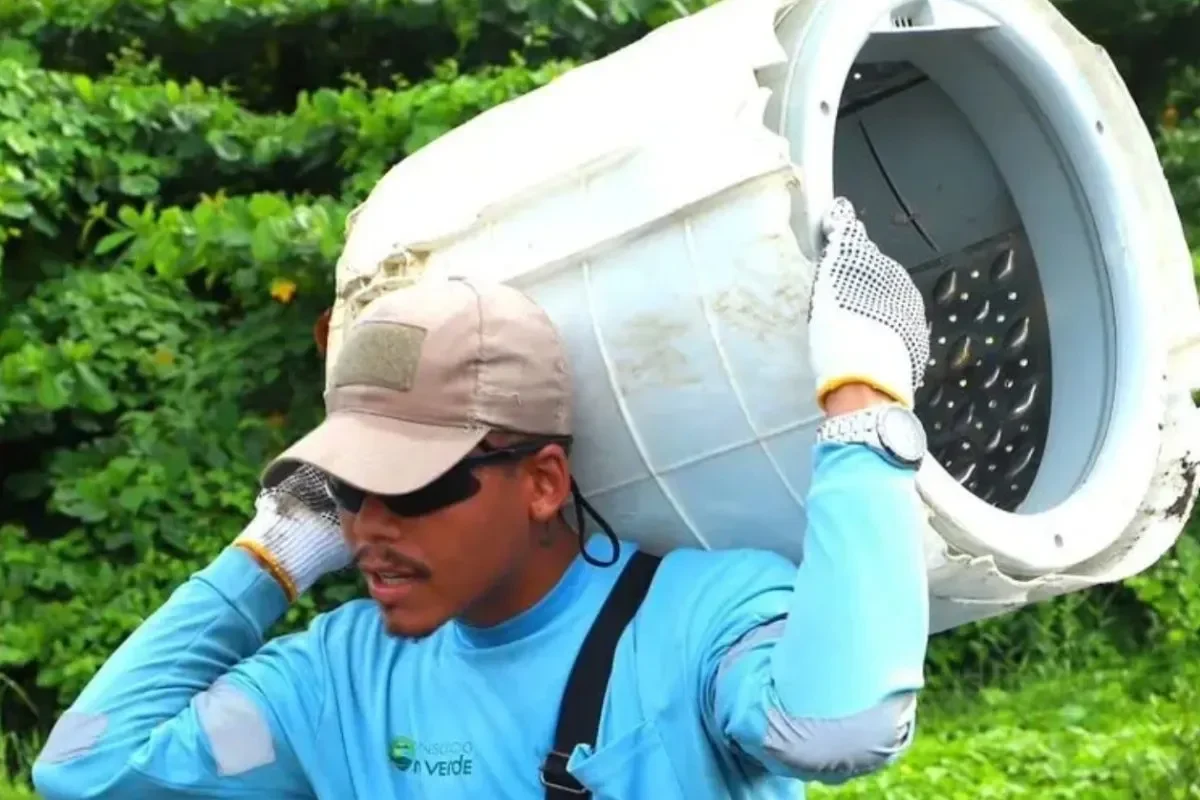
More than 1,000 tons of garbage have been pulled from Panama City’s rivers and Pacific coastline between August and October 2026, according to a quarterly report from the Mayor’s Office. The Panama coastal cleanup effort, executed through the Río Verde Consortium, targeted decades of accumulated debris across 15 kilometers of riverbanks and six hectares of recovered land.
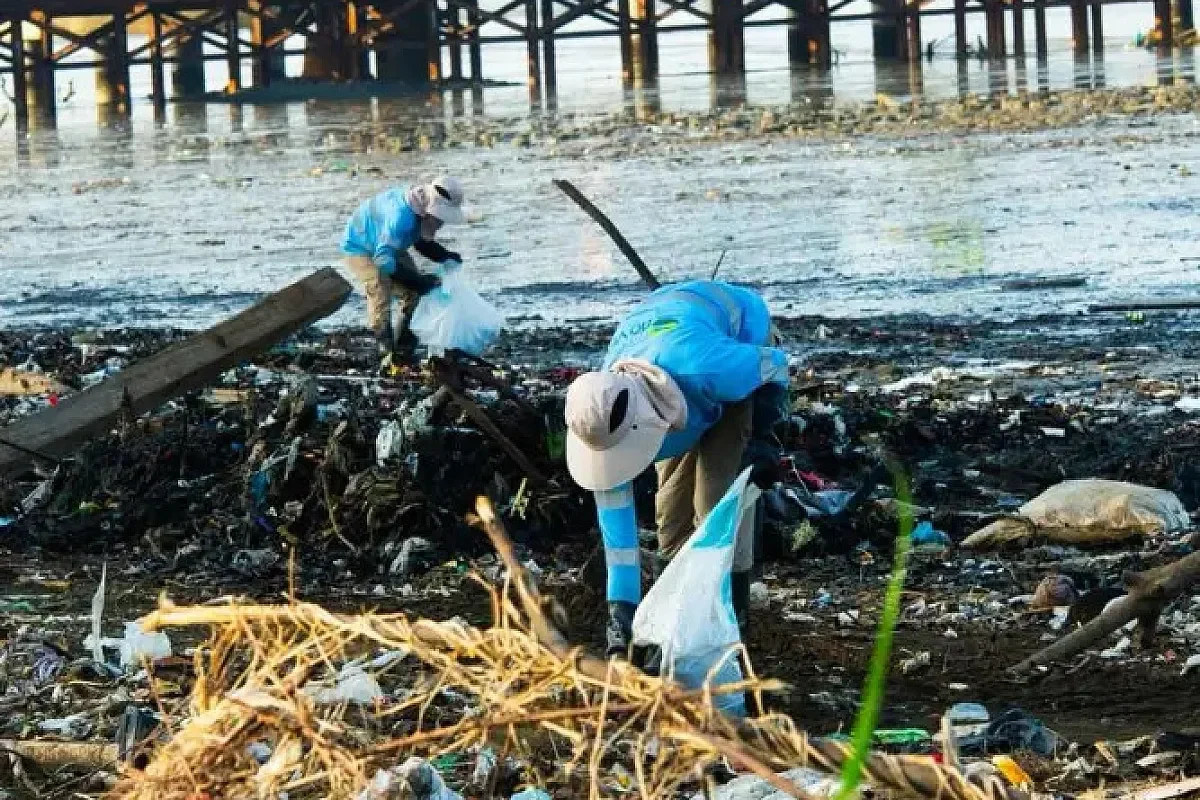
The initiative covered the Río Abajo and Matías Hernández river basins, along with the Pacific shoreline in Panama Bay. Crews organized four work fronts to collect, stockpile, and remove waste that officials say had been building up for years in these waterways.
Scope of the Panama Coastal Cleanup Operation
The cleanup forms part of a broader municipal strategy to restore natural spaces damaged by uncontrolled dumping. By clearing river channels, mouths, and coastal zones, the city aims to reduce the volume of trash that gets swept into open ocean waters. The Subdirectorate of Resilience and Climate Change oversees the project.
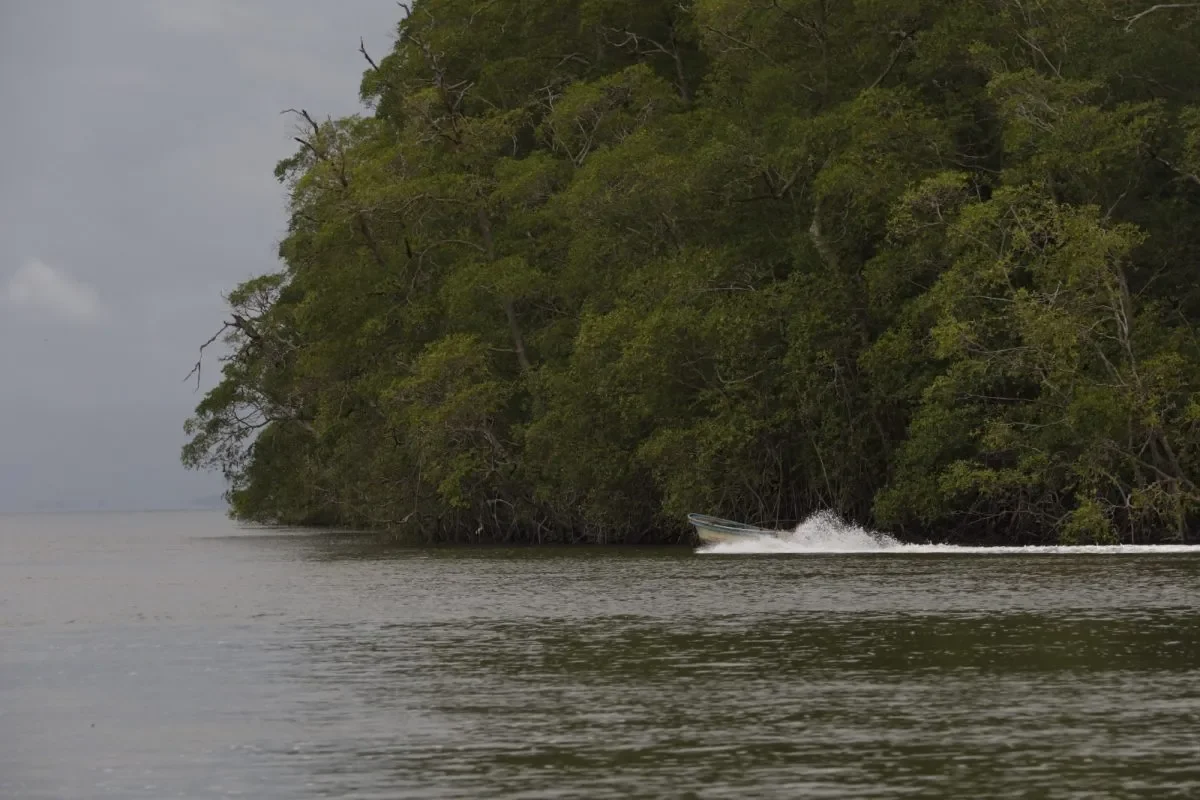
Workers focused on areas where mangrove ecosystems are particularly vulnerable. These habitats serve as critical nurseries for marine life and act as natural barriers against storm surge. Removing solid waste from these zones helps restore their ecological function while preventing further contamination downstream.
Public Health and Environmental Drivers
City officials tied the cleanup directly to disease prevention. Standing water trapped by garbage creates breeding grounds for mosquitoes that transmit dengue fever, a recurring public health threat in Panama. The Mayor’s Office stated that protecting residents from dengue and other illnesses is a primary objective of the sanitation program.
The initiative also seeks to return public access to natural areas that had become informal dumpsites. By reclaiming riverbanks and coastal stretches, the city hopes to promote environmental health while discouraging future illegal dumping.
City Calls for Citizen Responsibility
The Subdirectorate of Resilience and Climate Change issued a direct appeal to residents to dispose of waste properly. Officials reminded the public that throwing garbage into rivers, streams, and public spaces constitutes a crime under Panamanian law.
“The damage you do to nature, you do to yourself” [Translated from Spanish]
The statement underscores the city’s position that enforcement alone cannot solve the problem. Sustained behavioral change among residents remains essential to preventing the re-accumulation of debris in the capital’s waterways and coastal areas.