



A new economic analysis projects copper mining losses could reach $95 billion for Panama if catastrophic failures occur at the Cobre Panamá site in Donoso, with ordinary citizens bearing the heaviest financial burden long after operations cease. The study, conducted by the nonprofit Conservation Strategy Fund in August 2026, examined environmental, health, and closure costs spanning from 2019 through 2074.
The report arrives just weeks after a government interministerial commission recommended that President José Raúl Mulino authorize an “orderly closure” of the mine, a process officials insist would be financed entirely by mining activity itself rather than state funds. But the CSF analysis raises serious questions about who ultimately pays that bill.
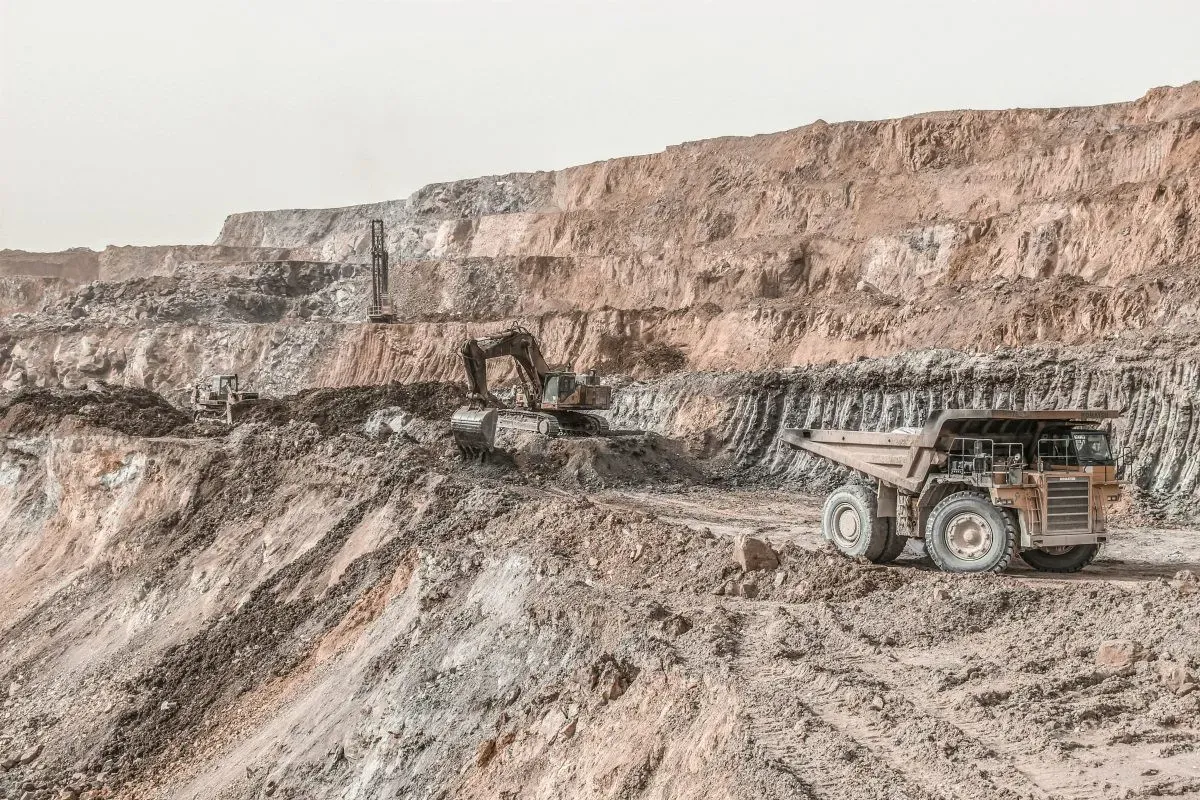
Unequal Distribution of Copper Mining Losses
The study breaks down financial outcomes for three key stakeholders: First Quantum Minerals, the Panamanian government, and the general population. Under an orderly closure scenario, the mining company would collect roughly $105 billion in benefits, while the state would receive about $13 billion through royalties, taxes, and other contributions. Panamanian citizens would see approximately $34 billion in benefits, primarily from local purchasing and employment during the mine’s operational years.
But the balance shifts dramatically when costs enter the equation. First Quantum would face about $75 billion in expenses, and the government would absorb $739 million in subsidies
to water and land use concessions. The heaviest burden falls on Panamanian society, with estimated costs reaching $86 billion across three major categories: closure and post-closure obligations, public health impacts including heavy metal exposure and air pollution, and environmental damage from water contamination, erosion, deforestation, and lost ecosystem services.
In a catastrophic failure scenario involving a tailings dam collapse or similar accident, those societal costs would balloon to $159 billion.
La factura del cobre: pérdidas millonarias de la mina recaerían sobre los panameños https://t.co/2oMTDCfptT
— Jorge Luis Prosperi (@ProsperiJorge) October 30, 2026
Closure Financing Plan Faces Scrutiny
Commerce and Industries Minister Julio Moltó has defended the commission’s recommendation, stating that the proposal requires the site to finance its own closure. But environmental advocates reject that approach as fundamentally flawed.
“It makes no sense to keep destroying more, generating more to pay for a problem. We have a hole and we’re going to keep digging more holes to cover the previous one, it’s nonsense” [Translated from Spanish]
That assessment came from Guido Berguido, a member of the International Union for Conservation of Nature’s Panama chapter, who argues that continued extraction cannot logically fund remediation of damage already done.
Long-Term Health and Environmental Liabilities
The CSF analysis extends well beyond the mine’s operational timeline, which is projected to run through 2054. The closure and post-closure period from 2054 to 2074 would still generate significant obligations, particularly around environmental monitoring and public health management. Sedimentation, carbon capture loss, and water quality degradation rank among the persistent concerns identified in the report.
The timing of this analysis carries particular weight given Panama’s ongoing debate over the mine’s future. The site has remained idle since late 2023, when widespread protests over a revised concession contract prompted the Supreme Court to declare the original agreement unconstitutional. That ruling left the government navigating a complex legal and financial landscape, with First Quantum pursuing international arbitration claims while Panamanian authorities weigh closure options.
The CSF report provides the first comprehensive cost-benefit framework that accounts for externalities typically excluded from official projections. By incorporating health outcomes and ecosystem degradation into the financial model, the study challenges assumptions that mining revenues automatically translate to net national benefit. For Panamanian taxpayers, the findings suggest that copper mining losses may persist for decades regardless of whether the site reopens or closes permanently.