


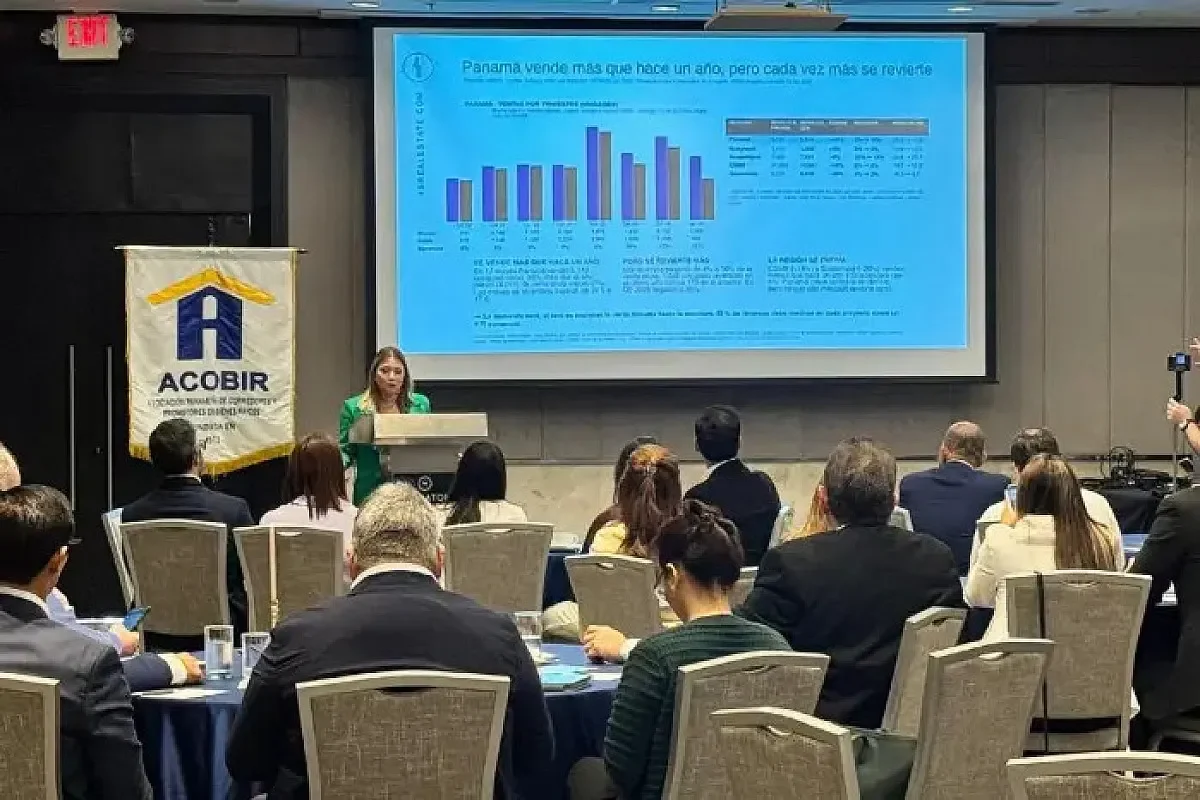
Panama real estate recorded $695 million in residential sales during the first half of 2026, a 13 percent decline compared to the same period last year, according to data from the Panamanian Association of Brokers and Real Estate Developers (Acobir). The contraction hit affordable housing hardest while international demand continued to climb, creating a split market that industry leaders are now working to reconcile.
The figures emerged during a sector gathering that brought together developers, government officials, and banking representatives to assess Panama’s competitiveness against other Latin American markets. Discussions centered on economic stability, fiscal discipline, financing access, and legal security as pillars for sustaining investment confidence.
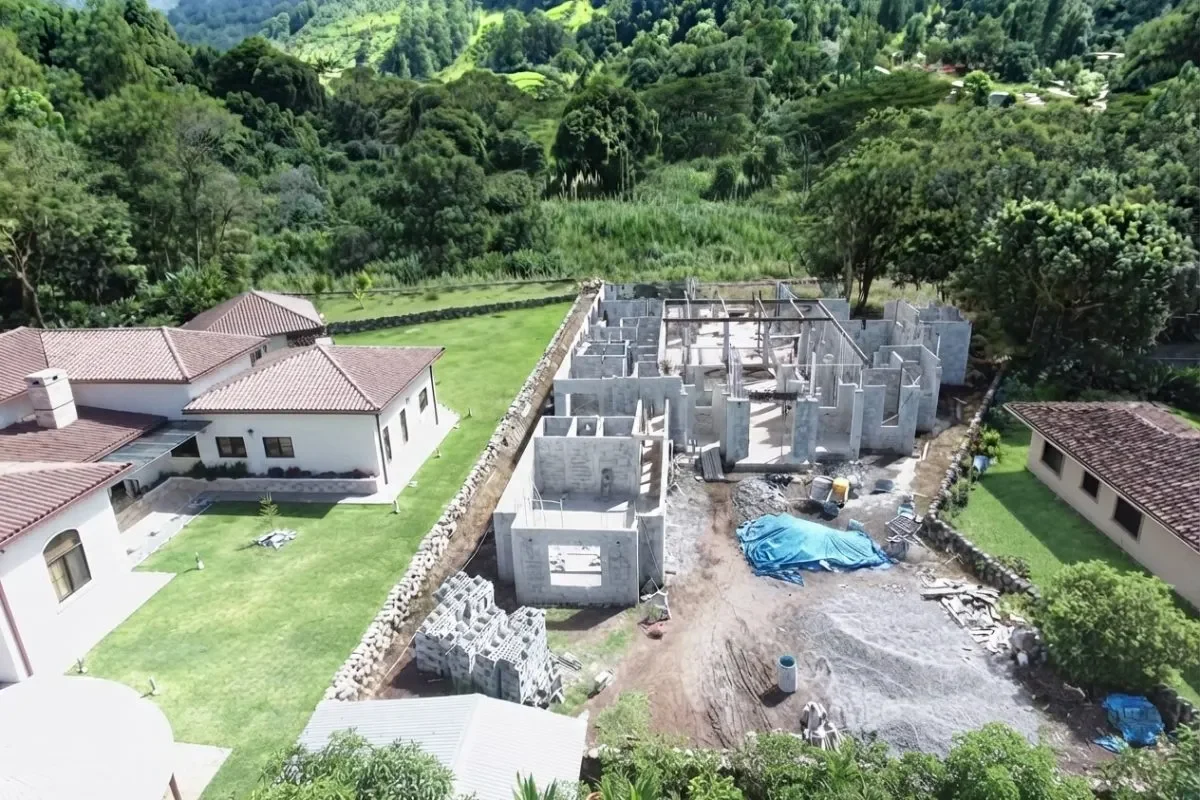
Affordable Housing Leads Panama Real Estate Decline
Homes priced at $120,000 or below saw sales plummet 28.3 percent, a significantly sharper drop than the 6.2 percent decrease recorded for higher-priced properties. The commercial segment also contracted, with sales falling 26.6 percent year-over-year to $50.5 million.
Construction permit data offered a more mixed picture. Total approved permits reached $597.6 million in the first half, while residential permits specifically rose 14.1 percent. Analysts from consulting firm Indesa presented the figures, noting that the permit increase suggests developers remain cautiously optimistic about medium-term demand despite current sales softness.
Las ventas inmobiliarias a locales cayeron en el primer semestre de 2026, contrastando con un alza del 17.7 % en compras por extranjeros en Panamá https://t.co/OWkE6n5NvB
— La Estrella de Panamá (@EstrellaOnline) October 21, 2026
International Buyers Counter Domestic Slowdown
Foreign purchases provided the clearest bright spot in the data. Sales to international buyers grew 17.7 percent to $712 million, exceeding total residential sales figures and underscoring Panama’s appeal as a destination for cross-border investment. Colombia and the United States ranked among the top source markets, with growing interest from Chinese buyers also noted.
Katherine Reyes Espino, president of Acobir, emphasized the need to strengthen coordination among sector stakeholders and capitalize on international investor interest, including buyers from Germany. The organization projects overall sector growth between 4 and 5 percent for 2026, suggesting confidence that foreign demand can offset domestic headwinds.
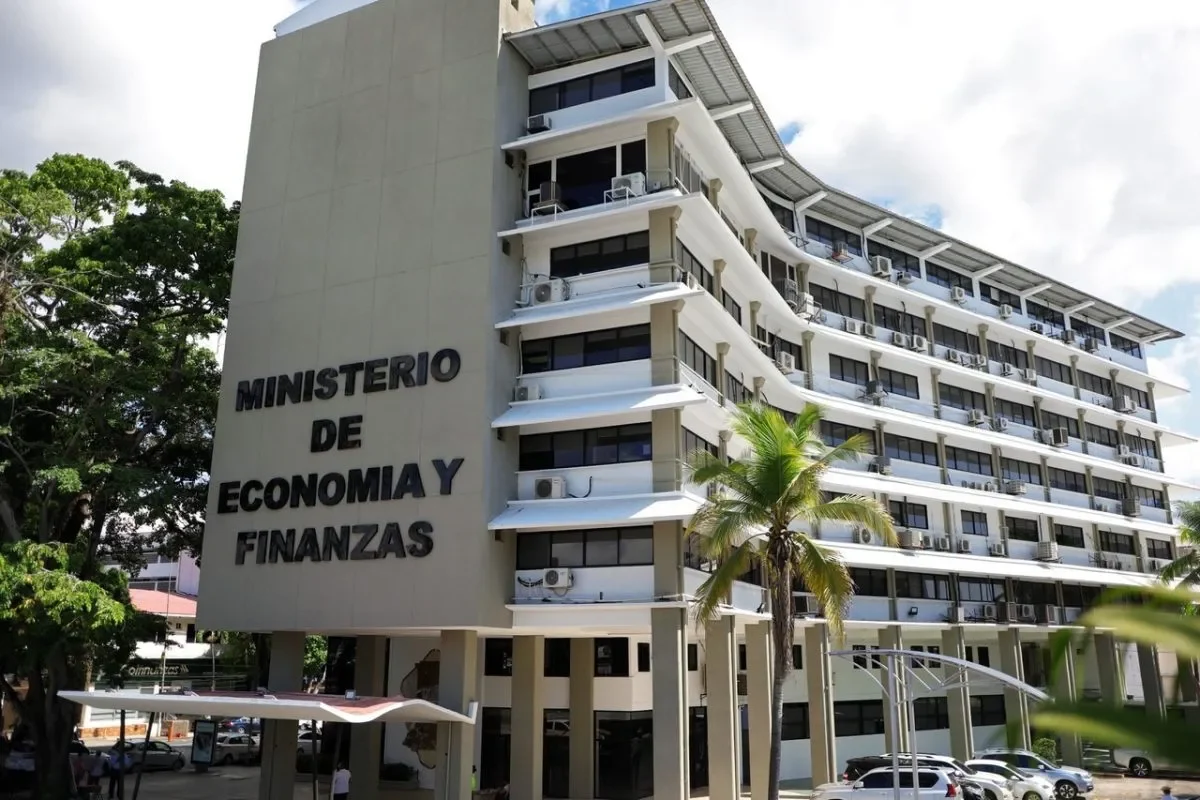
Government and Industry Outlook for Panama Real Estate
Rodolfo Sabonge, director general of National Planning at the Ministry of Economy and Finance, pointed to a 2.5 percentage point reduction in the fiscal deficit relative to GDP over one year as evidence of improving fundamentals. He said investor confidence hinges on fiscal certainty, financial and political stability, and legal security.
Mayela Sánchez, director of market research at 4S Real Estate, argued that Panama must adapt regional experiences to its own market characteristics. She called for functional, safe, well-located projects that integrate housing, work, and services to improve quality of life. The broader challenge, as framed during the discussions, involves converting Panama’s geographic, financial, and logistical advantages into sustainable investments with housing supply matched to household purchasing capacity.
The sector now faces a delicate balancing act. Domestic buyers, particularly in the affordable segment, are pulling back amid financing constraints and economic caution. Meanwhile, international capital continues to flow in, drawn by dollarization, connectivity, and relative stability. How effectively Panama real estate stakeholders bridge these two realities will likely determine whether the projected 4 to 5 percent growth materializes by year-end.