


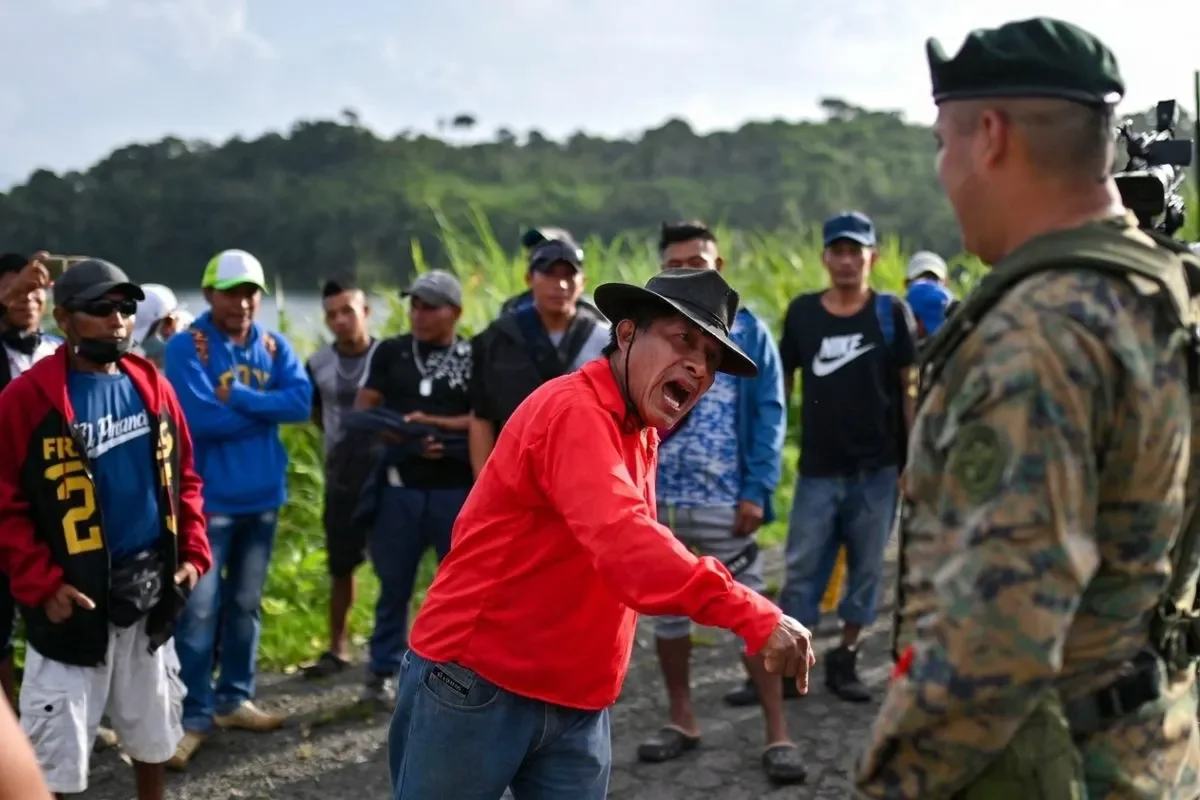
Human rights defenders from across Latin America warned on Tuesday that an indigenous rights protest movement is being systematically dismantled through criminal prosecutions, stigmatization campaigns, and threats against activists who oppose extractive projects. The warnings came during a parallel event at the 197th session of the Inter-American Commission on Human Rights (CIDH), which is meeting in Panama City through Friday.
Representatives from Colombia, Panama, and other regional nations presented cases showing how judicial systems are being deployed against environmental and indigenous leaders who challenge mining operations, water privatization, and land displacement. Organizers said the pattern has intensified as transnational corporations expand extraction activities in protected territories and indigenous comarcas.
☝️✅ En el marco del 197.º Período de Sesiones de la Comisión Interamericana de Derechos Humanos (@CIDH ), en Ciudad de Panamá, desde la CNTI participamos junto con la @MPCindigena en el diálogo sobre libre determinación y autonomías indígenas. ➡️🗣️ Denunciamos las demoras históricas en el reconocimiento de nuestros territorios y la persistencia de la violencia contra nuestros pueblos. También alertamos sobre los riesgos de retroceso en la consulta previa frente a medidas administrativas e iniciativas normativas que pueden debilitar sus garantías. ⚠️‼️ Solicitamos a la CIDH un seguimiento riguroso al cumplimiento de sus recomendaciones y a las obligaciones del Estado colombiano, con especial atención a la protección integral de los territorios y al respeto por nuestras decisiones. 📲👉 Te invitamos a ver las intervenciones completas de Camilo Niño Izquierdo, Secretario Técnico Indígena de la CNTI, y de Heber Tegría Uncaría, Secretario Técnico Indígena de la MPC, en nuestro canal de YouTube. ¡Defender los territorios es defender la vida!
— Comisión Nacional de Territorios Indígenas (@CNTI_Indigena) October 27, 2026
Criminalization of Indigenous Rights Protest Leaders in Panama
Feliciano Santos, a Ngäbe indigenous leader and member of the Movement for the Defense of Territories and Ecosystems of Bocas del Toro (MODETEAB), told the commission that Panamanian authorities are using the Public Ministry to prosecute community leaders who denounce land usurpation and crop destruction in Bocas del Toro province and surrounding indigenous regions.
“We are being criminalized and persecuted by the Public Ministry right now. It is regrettable that state structures are being used to judicialize indigenous leaders for demanding rights” [Translated from Spanish]
Santos said the prosecutions aim to generate fear and prevent communities from asserting territorial claims, particularly where extractive activities are advancing. He called for stronger coordination between social movements, organizations, and affected communities to develop collective responses to state repression.
Colombian Water Defenders Report Death Threats and Stigmatization
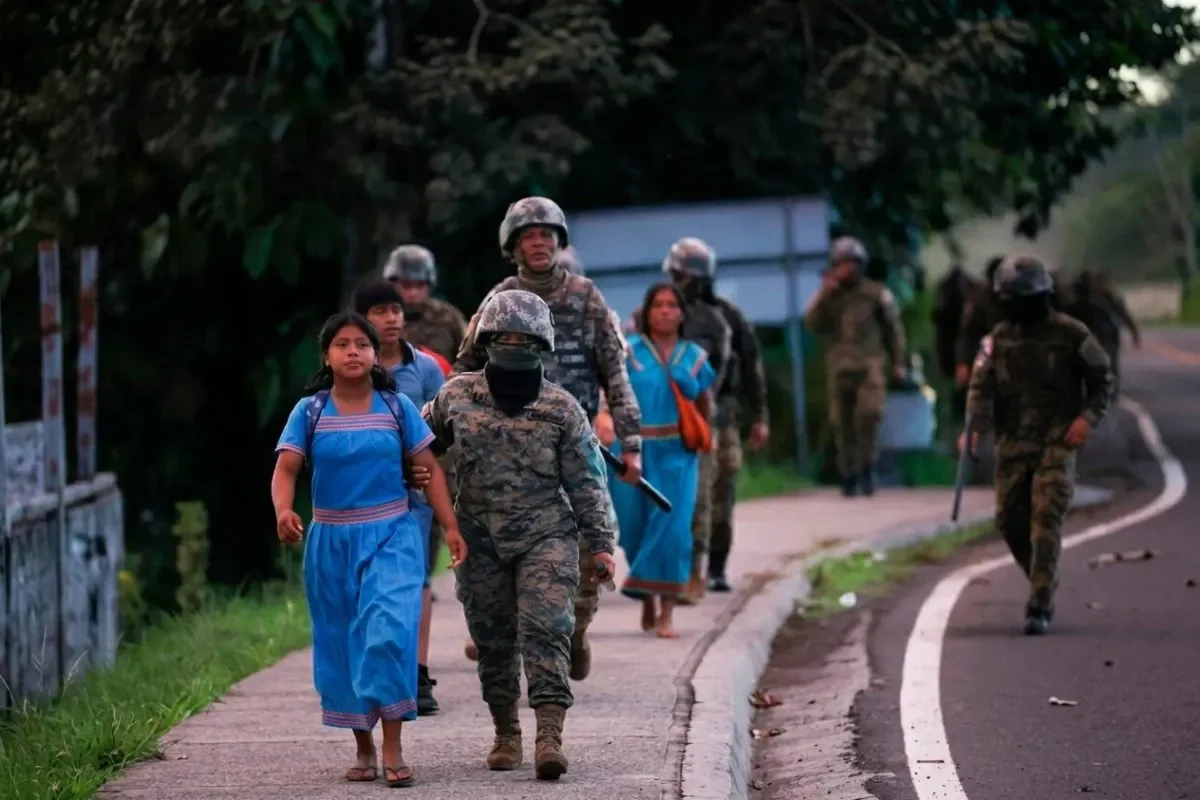
Mayerli López, representing Colombia’s Committee for the Defense of Water and the Santurbán Páramo, described a critical situation where activists protecting a water source serving over two million people face coordinated discrediting campaigns. The Santurbán páramo supplies water to major population centers while transnational companies pursue gold, silver, and copper mining projects in the area.
“This is accompanied by a strategy of criminalization and stigmatization. Threats against environmental activists’ lives occur simultaneously, treating us as outlaw groups simply for defending water and land” [Translated from Spanish]
López said these accusations delegitimize environmental demands and increase the vulnerability of social movement participants. The páramo ecosystem, a high-altitude wetland unique to the Andes, has become a flashpoint for conflicts between water security and mining interests.
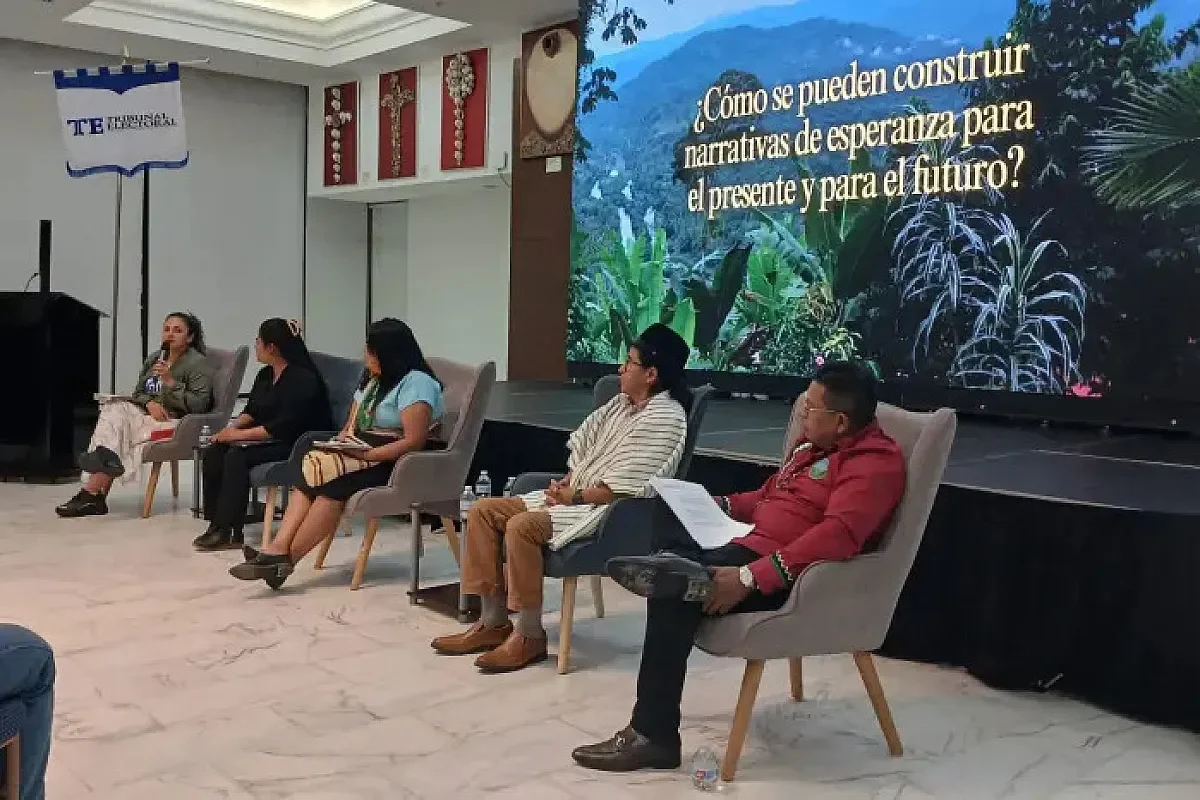
CIDH Sessions Continue as Civic Space Shrinks
The parallel event highlighted what participants described as shrinking civic space for environmental and indigenous defenders throughout the hemisphere. Organizations documented difficulties in carrying out their work and participating in decisions affecting their communities, alongside the more visible threats of prosecution and violence.
The CIDH sessions continue through October 30 at the Latin American and Caribbean Parliament headquarters, with approximately 29 public hearings and civil society dialogues scheduled. The commission has previously issued precautionary measures for environmental defenders in several Latin American countries, though activists say enforcement remains inconsistent.
Regional organizations plan to present consolidated documentation of judicial harassment cases to the commission, urging member states to guarantee freedom of expression and protection for those defending water, indigenous territories, and environmental rights. The testimony from Panama and Colombia reflects a broader regional trend where environmental governance disputes increasingly end up in criminal courts rather than administrative or political forums.