


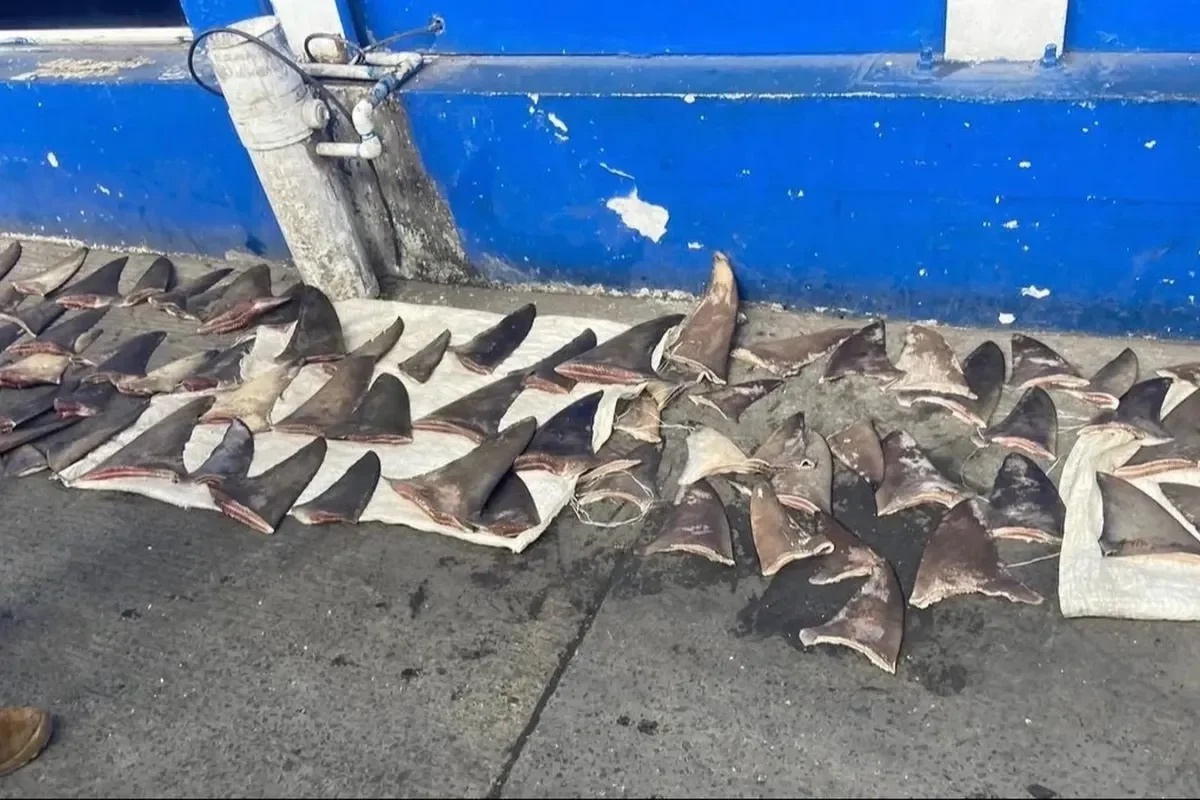
Panama City, Panama. Two women and one man were convicted of environmental crimes and organized crime for their roles in the illegal commercialization of more than 135,000 shark fins, a case that underscores how shark fin trafficking decimates marine populations for products with no proven health benefits. The verdict came after a trial that began April 27 and concluded October 22, 2026.
The Judicial Trial Court set November 12, 2026, for the sentencing hearing, when penalties will be announced for the three individuals, according to a statement from the Attorney General’s Office. Prosecutors from the First Superior Prosecutor’s Office Against Organized Crime demonstrated that the group operated from 2021 until raids in 2023, selling protected and threatened aquatic species without required permits or certifications.
Shark Fin Trafficking Operation Uncovered
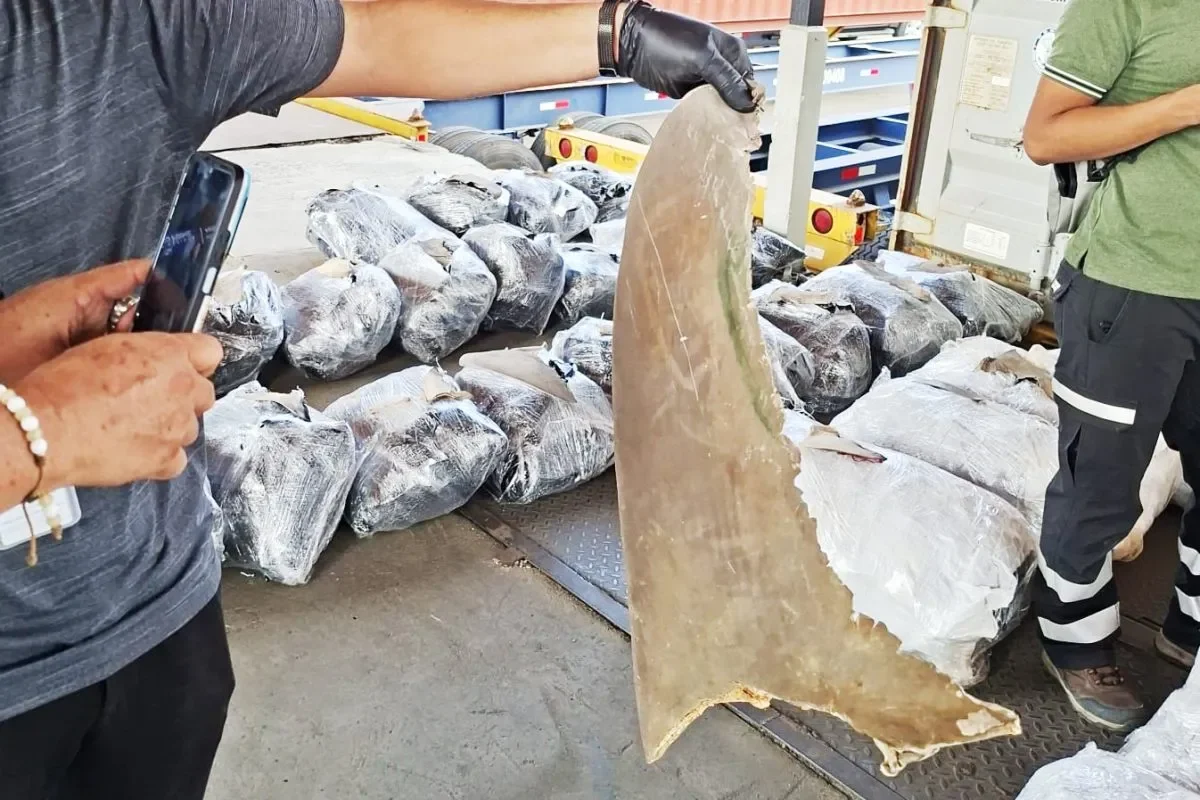
The case, known as Operation Shark, unfolded on July 13, 2023, when authorities arrested five people and executed 10 search warrants across Panama, San Miguelito, Coclé, and Panamá Oeste. The investigation revealed a supply chain involving providers from Farallón and the Seafood Market, with fins transported to a farm in Capira for drying, baking, packaging, and storage.
Prosecutors presented evidence showing how the trafficking network moved approximately six tons of fins through multiple stages of processing. The operation involved coordinated efforts from the Organized Crime and Environment prosecutors’ offices, with support from the National Police. The court heard testimony and reviewed documentation that traced the illegal activity over a two-year period before the raids.

Environmental Impact of Illegal Fin Trade
The convictions highlight the severe ecological damage caused by removing apex predators from ocean ecosystems. Shark populations across the Eastern Pacific have declined sharply due to demand for fins, which are marketed primarily for soup in some Asian markets. Yet scientific research consistently shows that shark fins contain no unique nutritional value beyond what is available in common protein sources.
The supposed health benefits often cited by sellers, such as cancer prevention or enhanced virility, have no basis in medical literature. The cartilage in shark fins is composed primarily of collagen, the same protein found in many affordable foods. This means the animals were killed for products that offer consumers nothing beyond what they could obtain elsewhere at a fraction of the environmental cost.
‘Operación Shark’: incautan más de seis toneladas de aletas de tiburón en Panamá. https://t.co/J7UBVKUSHi
— NTN24 (@NTN24) July 15, 2023
Sentencing and Regional Implications
The November sentencing will mark a significant moment for environmental enforcement in Central America. Panama has positioned itself as a regional leader in marine conservation, but the scale of this operation suggests that illegal fin trade continues despite regulatory frameworks. The conviction sends a signal that organized environmental crime carries legal consequences.
Marine biologists warn that every shark removed from the food chain disrupts reef and coastal ecosystems. With more than 135,000 fins seized in this single case, the actual number of sharks killed could be much higher, as the seizure represents only what authorities intercepted. The ruling may influence how neighboring countries approach similar trafficking networks operating across maritime borders.