


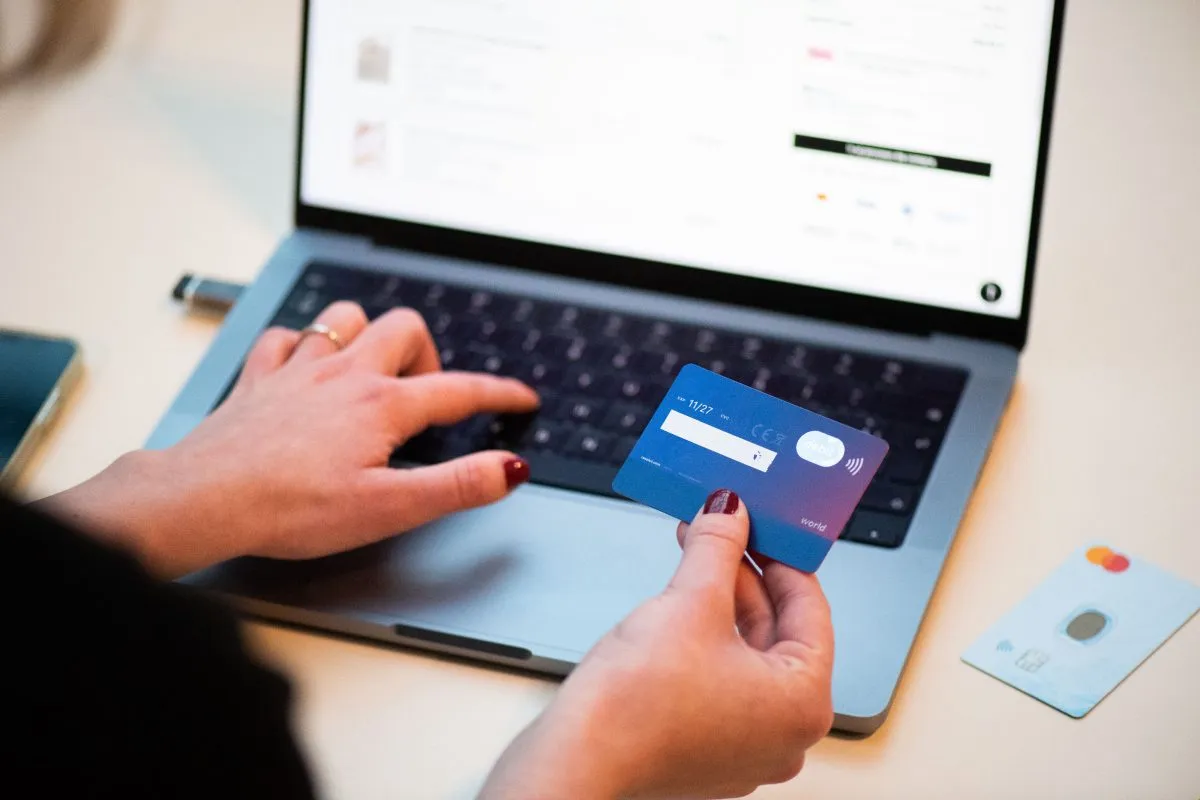
Panama City authorities are warning consumers about a sharp rise in digital scams Panama as the year-end shopping season intensifies, with the judicial investigations unit alone recording more than 2,600 cybercrime cases so far this year. Most of those cases involve security breaches and fraud linked to online transactions, according to Wladimir González, chief of cybercrimes at the DIJ.
The alert comes as internet shopping has become routine for thousands of Panamanians, creating fertile ground for criminals who exploit high demand and attractive promotions to steal money from unsuspecting buyers. Officials are urging shoppers to verify sellers before transferring funds, especially during the November and December commercial peak.

Digital Scams Panama Target Holiday Shoppers
Cybercriminals are focusing on products with high demand or limited availability, including electronic devices, event tickets, and branded clothing. Fraudsters typically advertise these items at prices far below established retail rates, pressuring buyers to act quickly before the supposed offer disappears.
González emphasized that consumers should confirm a business has physical locations and a solid reputation in the country. “The person has to check that it is a serious store, a store with prestige or history in the country that has a physical location, where the person can go and verify that the product they are going to pay for is what they are seeing in an image,” he said [Translated from Spanish].
The most common mistake shoppers make is acting impulsively on flash sales, exclusive promotions, or prices that seem too good to be true. Authorities say this urgency is often a deliberate manipulation tactic used by scammers to bypass a buyer’s normal caution.
How Online Fraud Cases Have Escalated
The DIJ’s cybercrime division has handled more than 2,600 registered cases this year alone, with the majority classified as crimes against computer security. González noted that these offenses frequently overlap with fraud complaints, reflecting how digital scams Panama have become intertwined with broader cybercriminal activity.
“In relation to cybercrime, we have more than 2,600 registered cases just in our division, the majority of them are cases against computer security and logically this goes hand in hand with fraud cases,” González said [Translated from Spanish].
Officials expect the numbers to climb further as December approaches and online transactions multiply. The concern is not limited to individual losses but extends to the erosion of consumer trust in legitimate e-commerce platforms operating in the country.
Safety Measures and Reporting Channels
Authorities have issued a set of practical recommendations for anyone shopping online. These include verifying the legitimacy of websites, avoiding payments on unknown or redirected pages, activating two-step verification on digital accounts, and never sharing verification codes received by text message with third parties.
Consumers should also be wary of offers that generate pressure to buy immediately or prices significantly below market value. Before sending money, buyers need to confirm the seller’s identity and the authenticity of the product or service being offered.
Anyone who falls victim to a digital scam should file a complaint with the Primary Care Prosecutor’s Office or the Directorate of Judicial Investigation. Officials stress that reporting incidents promptly allows authorities to begin investigations and potentially recover funds or identify the perpetrators behind these schemes.
The warning reflects a broader regional challenge as Latin American countries grapple with rising cybercrime amid expanding internet access and digital payment adoption. Panama’s consumer protection agency has separately advised shoppers to compare prices and verify promotions before completing year-end purchases, reinforcing the coordinated push to protect consumers during the busiest retail period of the year.