


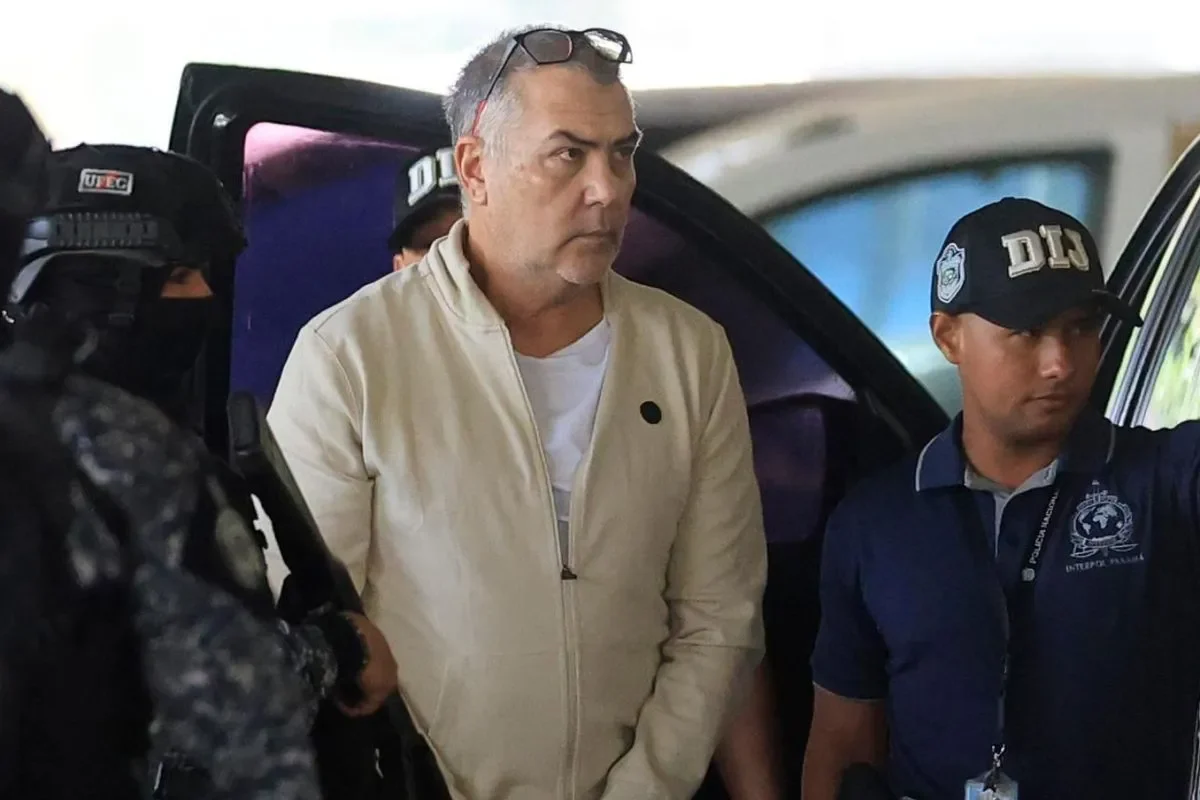
The Panamanian Supreme Court has rejected a constitutional appeal filed by Ali Zaki Hage Jalil, the Colombian-Venezuelan citizen prosecuted for his alleged role in the 1994 Panama plane bombing that killed all 21 people aboard Alas Chiricanas Flight 901.
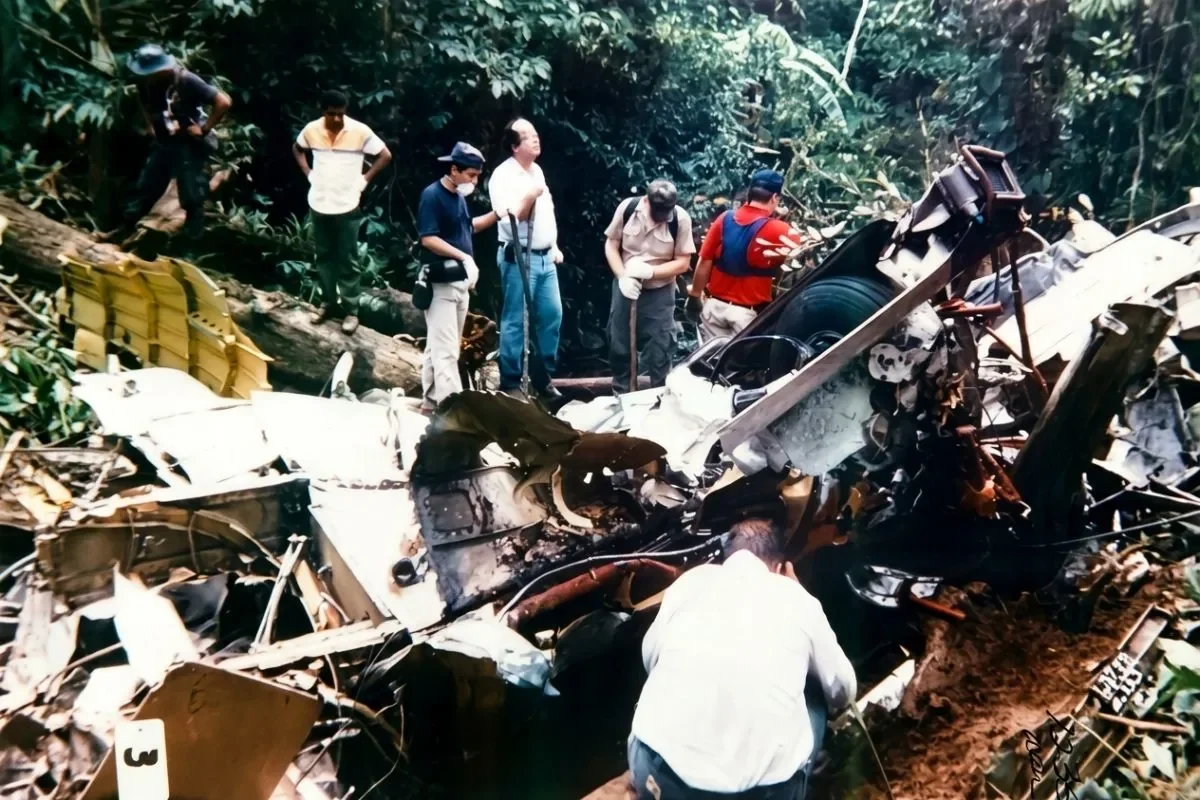
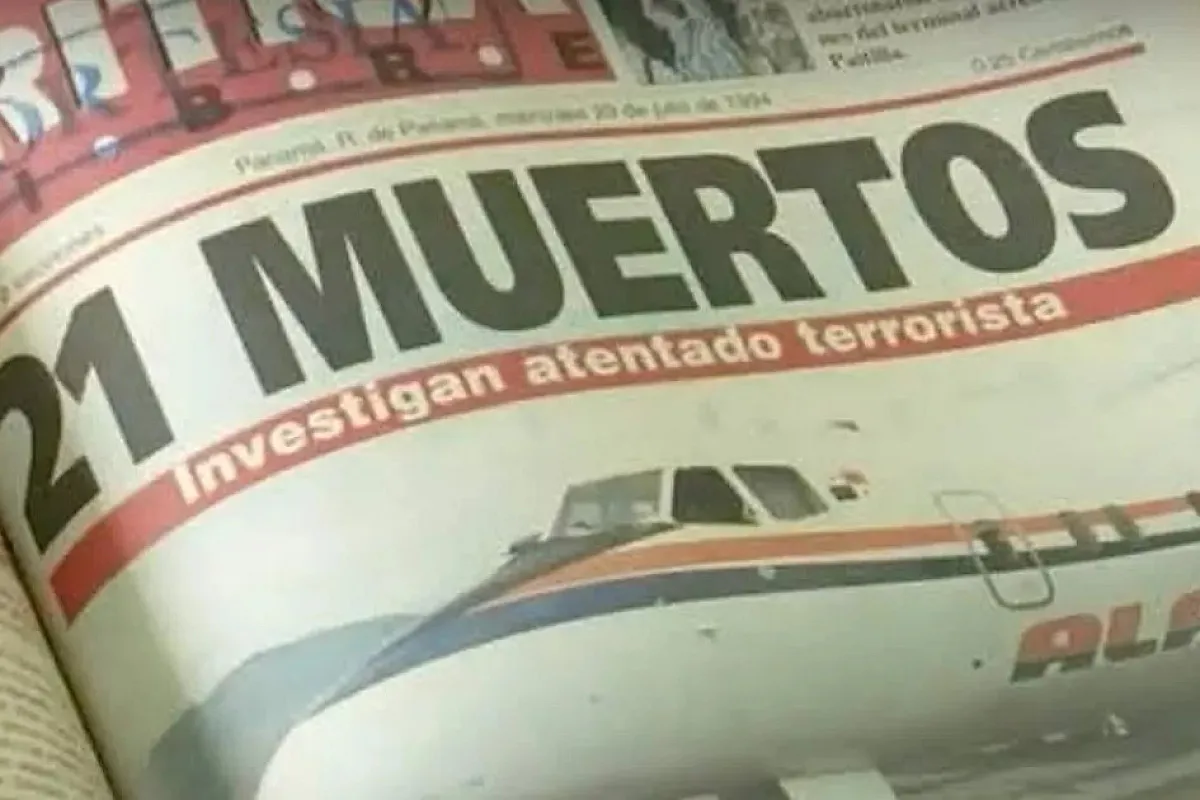
The ruling, issued by the full court, upholds the prosecutor’s order requiring Hage Jalil to submit to formal questioning. That order was originally issued in December 2022, nearly three decades after the aircraft exploded shortly after takeoff from Colón en route to Panama City on July 19, 1994.
Court Rejects Prescription Argument in Panama Plane Bombing Case
Hage Jalil’s defense attorney, José Acevedo, had argued that the criminal action had expired because 28 years passed between the explosion and the investigation order. Acevedo also claimed his client was being charged with offenses that did not exist in Panamanian law when the bombing occurred.
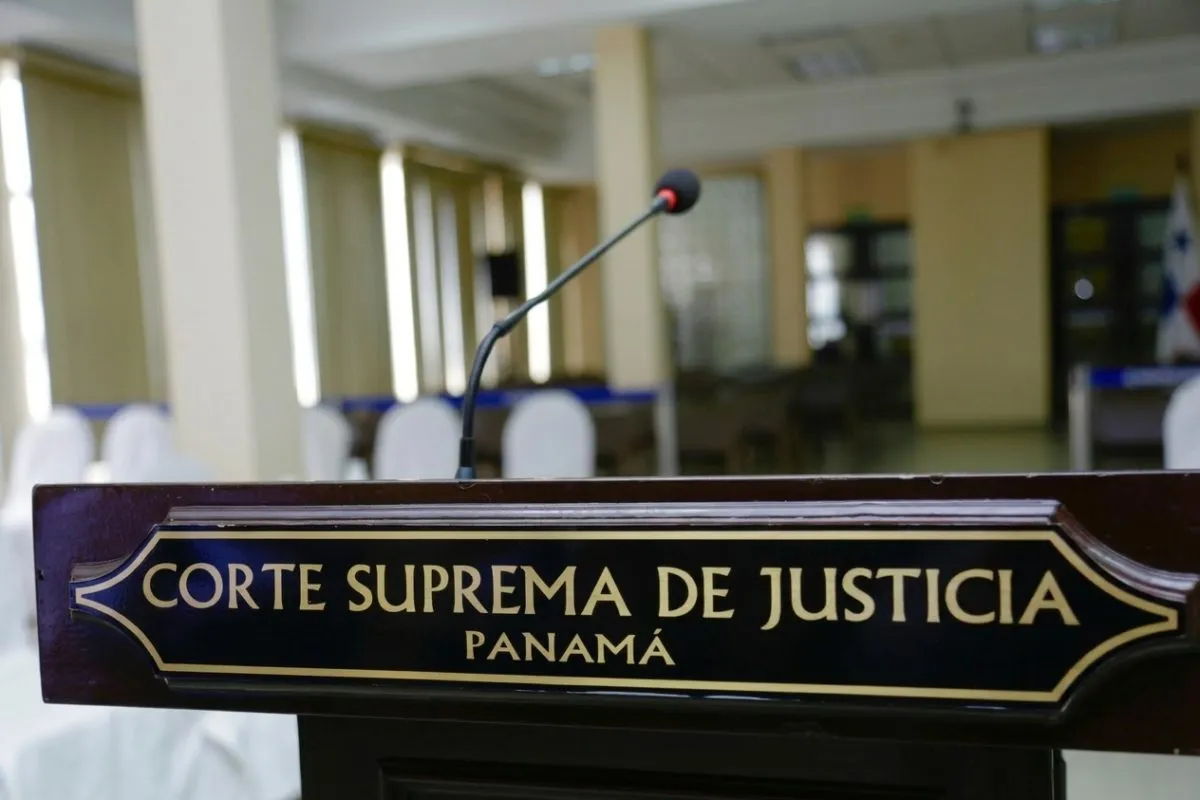
The Supreme Court dismissed those arguments on procedural grounds. According to the ruling, the defense was attempting to use the constitutional appeal as a third instance to review decisions already made by lower tribunals. The court also noted the appeal itself was filed too late, coming in July 2023 against an order issued seven months earlier.
Timeline and Legal Standing of the 1994 Attack
The Alas Chiricanas Flight 901 bombing remains one of Panama’s deadliest aviation disasters. The commuter aircraft went down shortly after departing Colón, killing 18 passengers and 3 crew members. Investigators determined an explosive device caused the mid-air destruction.
Hage Jalil is currently held in custody under the supervision of Panama’s special police forces. The Supreme Court’s decision clears the way for prosecutors to proceed with formal interrogation and potential charges. Panamanian authorities have not disclosed whether additional suspects are under investigation in connection with the bombing.
What the Ruling Means for the Prosecution
The decision reinforces the prosecution’s position that the statute of limitations does not apply in cases involving mass casualties from terrorist acts. Legal analysts note that Panama’s courts have historically treated crimes against humanity and terrorism-offenses as exempt from standard prescription periods.
The case now returns to the Public Ministry, which will schedule the formal inquiry. Hage Jalil has not yet entered a plea, and no trial date has been set. His defense team has not indicated whether it will pursue other legal avenues to challenge the investigation.