


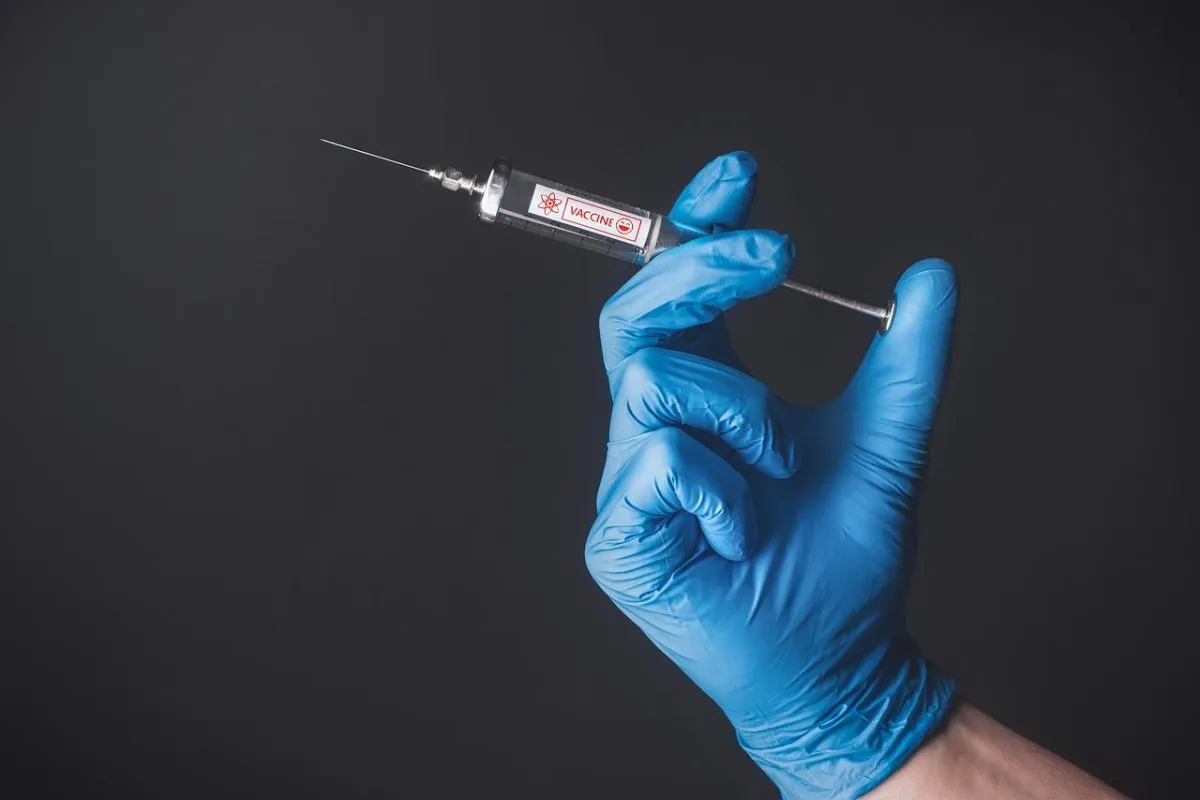
Panama’s Ministry of Health confirmed that dengue vaccination Panama will become part of the national immunization schedule starting in 2027. Health Minister Fernando Boyd Galindo made the announcement during the Global Health Conference of the Americas 2026, which runs from November 11 to 13 in Panama City.
The decision targets children and adolescents aged 10 to 14, though final technical evaluations will determine whether the campaign focuses on high-incidence regions or covers the entire country. More than 75 specialists from the Americas, Europe, and Asia attended the conference where the plan was unveiled.
Dengue Vaccination Panama Strategy and Target Groups
Itzel Slokum de Hewitt, general coordinator of the Expanded Program on Immunization, said the National Advisory Commission on Immunization Practices gave initial approval for the 10 to 14 age group. But she stressed that further technical work remains before the rollout begins.
Authorities are weighing two approaches. One option concentrates vaccination efforts in provinces with the highest dengue transmission rates. The other extends coverage nationwide. The final decision will shape how many doses Panama procures and how the campaign is structured.
#Nacionales El ministro de Salud, Fernando Boyd Galindo, anunció que Panamá incorporará la vacuna contra el dengue al esquema nacional de inmunización en 2027, como parte de una estrategia integral para reducir el impacto de esta enfermedad en la población. El anuncio se realizó durante la inauguración de la Global Health Conference of the Americas 2026, que se celebra en Panamá del 11 al 13 de noviembre con la participación de más de 75 expertos. La coordinadora del Programa Ampliado de Inmunizaciones, Itzel Slokum de Hewitt, explicó que la Comisión Nacional Asesora avaló inicialmente el grupo de 10 a 14 años, aunque los equipos técnicos analizarán el comportamiento epidemiológico para definir la población objetivo y si se priorizarán las áreas más afectadas o se hará una cobertura nacional. La funcionaria subrayó que la vacunación debe complementarse con la eliminación de criaderos, nebulización y educación sanitaria. Asimismo, el ministro Boyd Galindo destacó el potencial de Panamá para consolidarse como un centro regional de salud y cooperación científica, en un encuentro que aborda temas como el cambio climático, la inteligencia artificial aplicada a la salud y la preparación ante futuras pandemias.
— Radio Chiriquí (@RadioChiriqui) November 12, 2026
Vaccine Complements Existing Prevention Measures
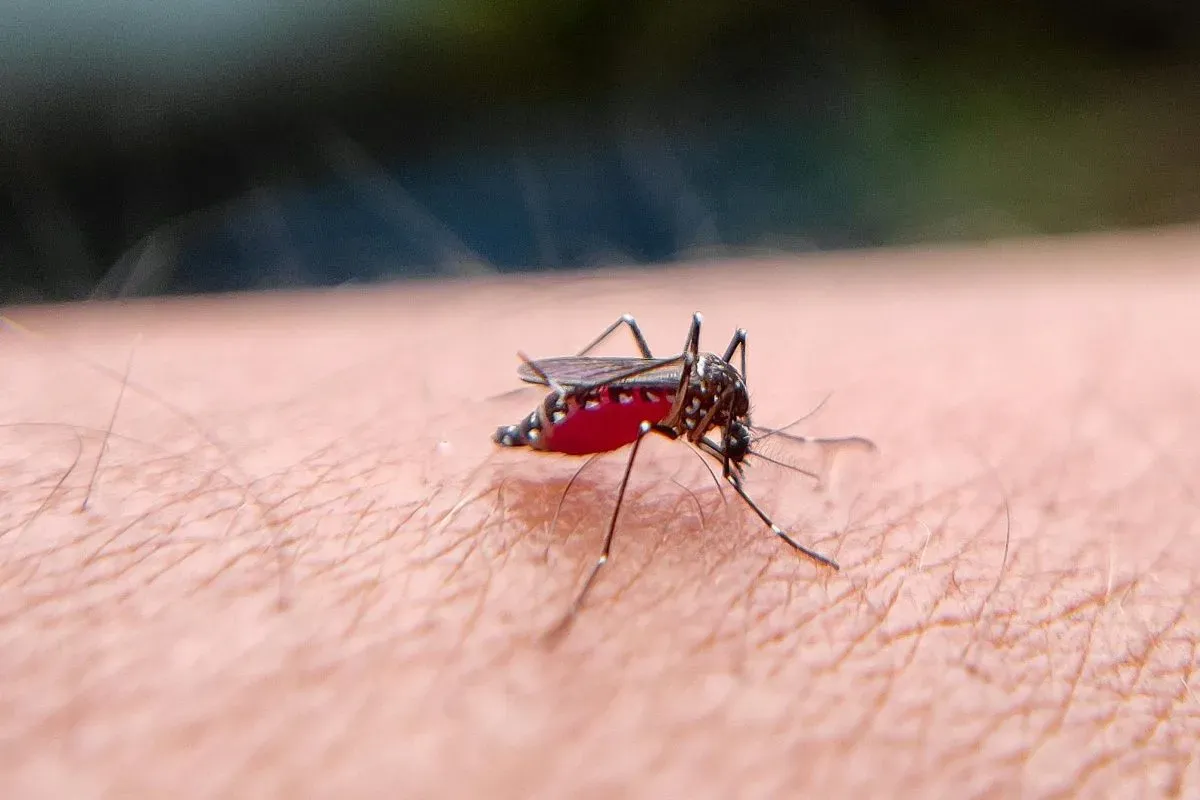
Slokum de Hewitt emphasized that the vaccine will not replace current control efforts. Mosquito breeding site elimination, fumigation, and community health education must continue alongside immunization. The Aedes aegypti mosquito remains the primary vector, and reducing its population requires sustained public cooperation.
She also pointed to the historical role of vaccines in controlling diseases like polio and smallpox. Building public confidence in immunization, she said, remains essential for the dengue program’s success.
Regional Context and Conference Details
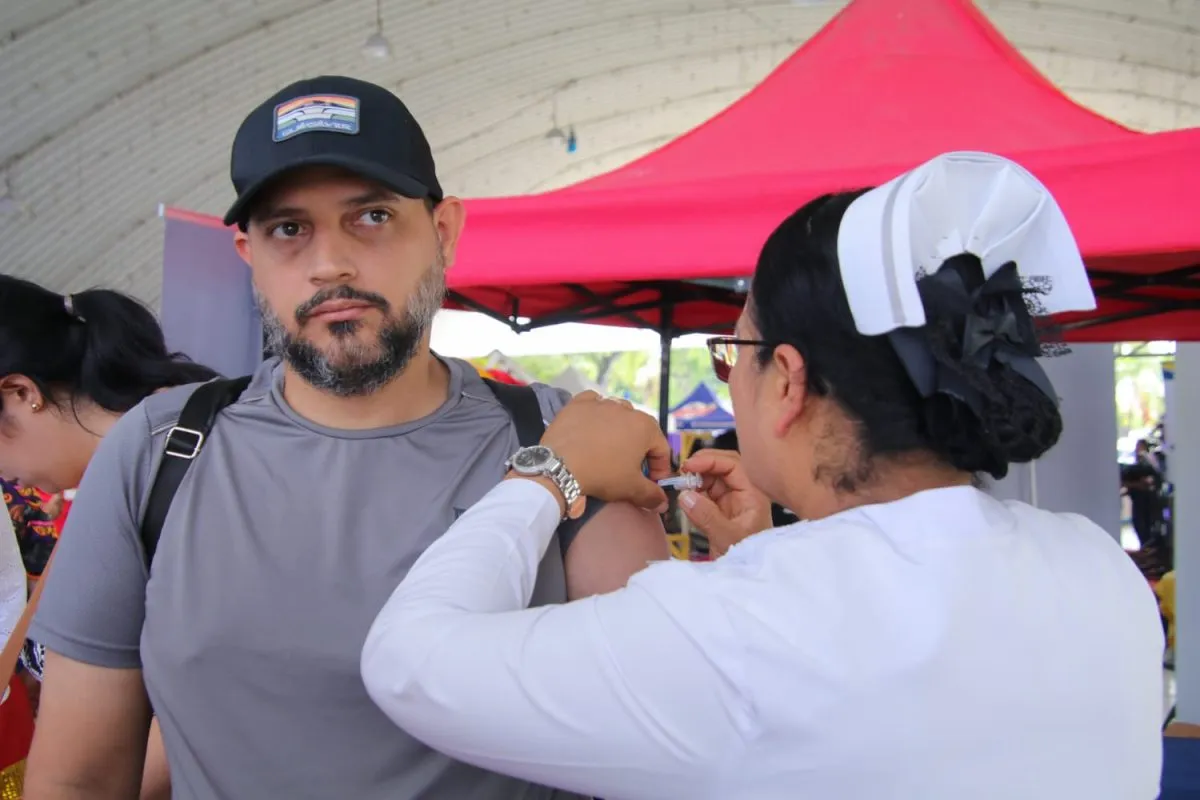
The Global Health Conference of the Americas 2026 serves as the platform for Panama’s announcement. The three-day event brings together health officials and researchers to discuss disease prevention strategies across the hemisphere.
Dengue cases have challenged health systems throughout Latin America in recent years. Panama’s move aligns with broader regional efforts to introduce new tools against the disease. The 2027 timeline gives health authorities time to finalize logistics, secure vaccine supplies, and prepare the public for the campaign.