


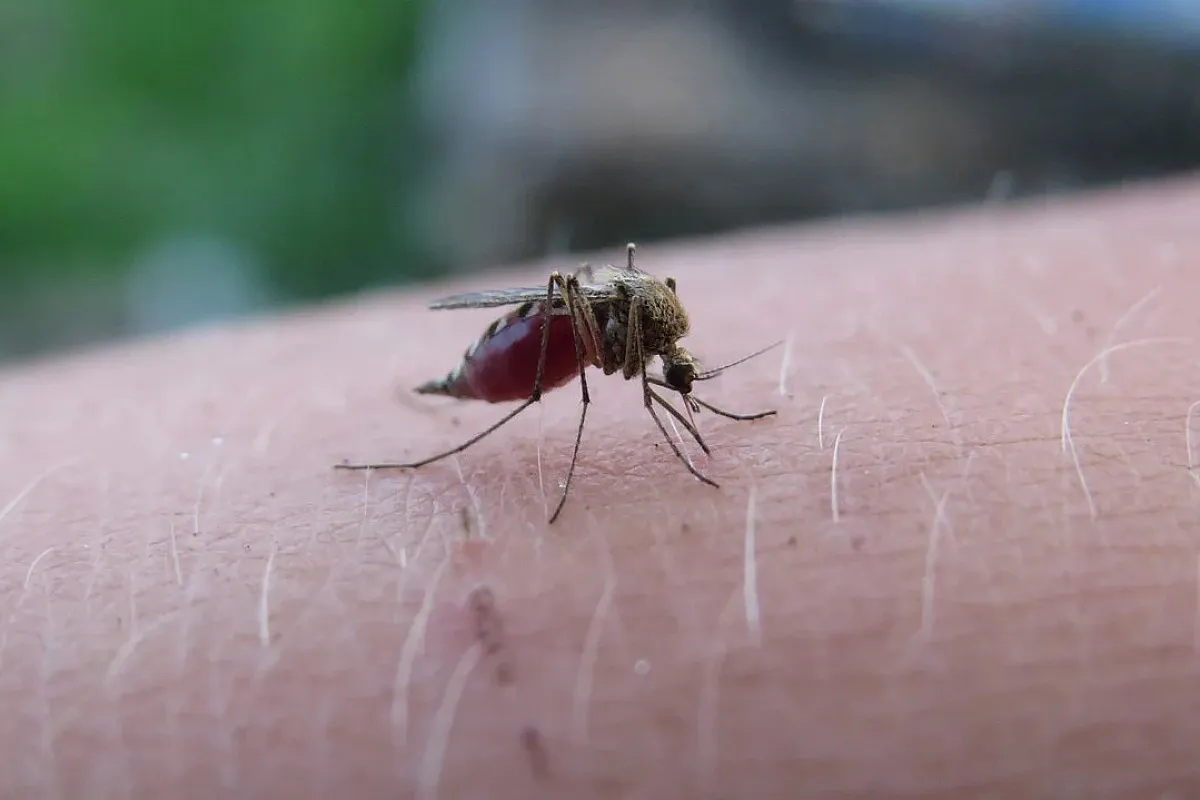
Panamanian health authorities declared a nationwide sanitary alert Monday after confirming a malaria outbreak Panama officials say has spread into urban areas previously considered non-endemic for the disease. The Ministry of Health (Minsa) ordered an immediate epidemiological cordon in the Metropolitan Health Region, where 161 cases have been detected in the Ancón township alone.
The declaration, issued through the General Directorate of Public Health, comes as accumulated national cases reached 6,727 across seven regions. Metropolitan Panama now reports 214 infections, with Ancón accounting for 75 percent of those cases, according to official figures released November 16, 2026.
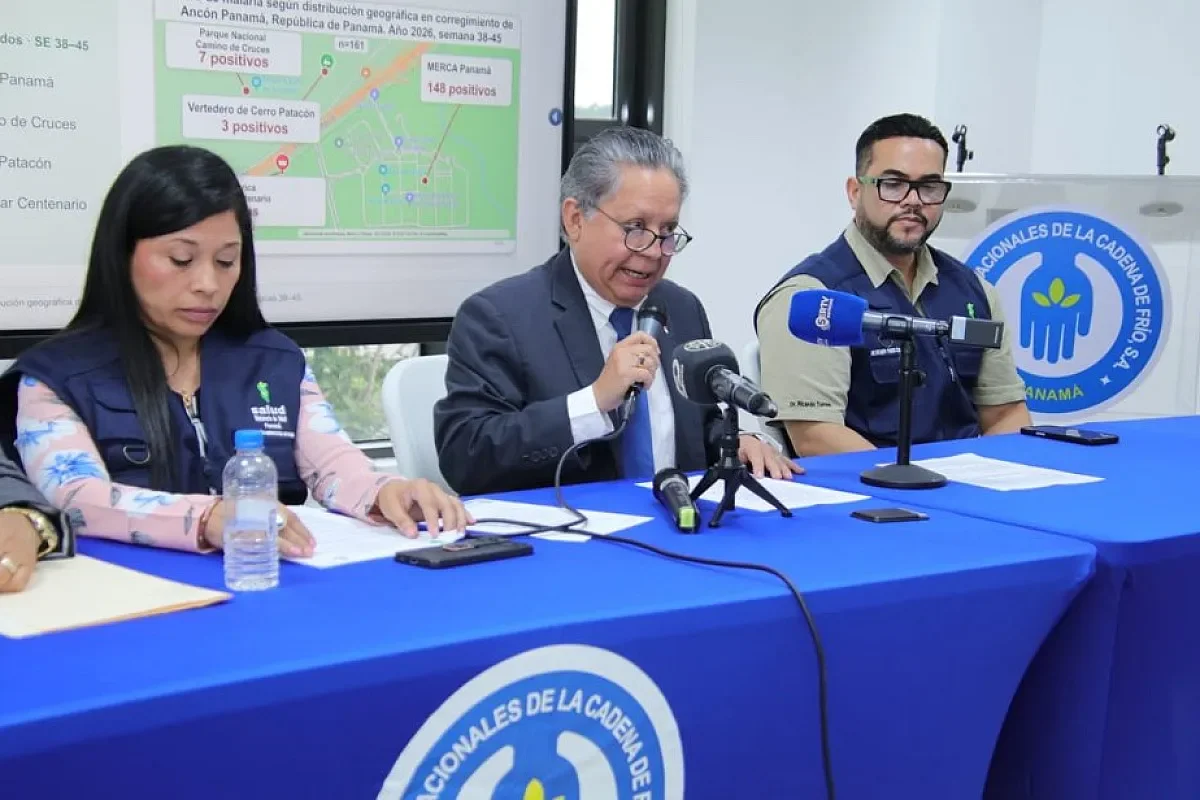
Malaria Outbreak Panama Response Measures
Vice Minister of Health Manuel Zambrano Chang said the alert requires all public and private institutions to place their physical and human resources at Minsa’s disposal immediately. The mandate supports the execution of an integrated action plan specifically targeting the Ancón outbreak under Metropolitan Region supervision.
Zambrano detailed that the strategy demands social participation and direct coordination with the central government, provincial technical boards, municipal authorities, and security forces. The emergency declaration marks an unusual escalation for a disease typically confined to rural eastern provinces like Darién and Guna Yala.
NACIONALES| La alerta nacional declarada por malaria busca generar una respuesta articulada ante posibles brotes. El viceministro de Salud, Manuel Zambrano, destacó que las áreas que han presentado casos son Merca Panamá, Cerro Patacón, Camino de Cruces y Kuna Nega. https://t.co/UiUDaf23Vo
— Realidad Noticias (@realidadpma) November 16, 2026
Treatment Gaps Complicate Containment Efforts
Epidemiological concern centers on treatment continuity among the 161 diagnosed patients in Ancón. Yelkys Gil, general director of Public Health, reported that 97 patients completed their medical regimen and 53 remain in treatment. But, 11 patients abandoned their medication, and health workers are actively searching for four additional patients who cannot be located.
The national caseload remains concentrated in eastern Panama, where Panamá Este leads with 3,053 cases, followed by Guna Yala with 2,016 and Darién with 1,162. The Ngäbe-Buglé indigenous region reports 145 cases, Panamá Oeste has 79, and Veraguas has recorded 58 infections.
Prevention Guidance and Community Alert
Ricardo Torres, director of the Metropolitan Health Region, urged residents to seek immediate medical attention if they experience fever, chills, or headaches. Early diagnosis remains critical for effective treatment and preventing further transmission in densely populated urban areas.
Health authorities recommend regular use of mosquito repellent, wearing protective clothing that covers arms and legs at night, avoiding areas with dense vegetation, and eliminating standing water around homes. Officials also stressed that patients must complete prescribed medication regimens to prevent drug-resistant strains from emerging. The alert remains in effect until further notice as surveillance teams work to locate missing patients and contain the urban outbreak.