


Panama’s undiagnosed diabetes risk has reached a critical threshold, with roughly 35 percent of the population unaware they may be living with the disease. Dr. Ángela Tulipano, national head of the Adult Health Program at the Social Security Fund (CSS), delivered this assessment during an interview tied to World Diabetes Day activities on November 14.
Based on the 2019 National Health Survey, approximately 14 percent of Panamanians, close to 400,000 people, could have diabetes. The majority of cases are type 2 diabetes, while about 6,000 patients have type 1 diabetes.

Undiagnosed Diabetes Risk and Delayed Detection
The absence of early symptoms often masks the condition. Dr. Tulipano explained that many patients only seek medical care after serious complications emerge, including heart attacks, kidney disease, or diabetic foot lesions. Last year alone, CSS facilities treated approximately 52,500 individuals with different forms of diabetes.
This delayed diagnosis pattern creates a dangerous gap. People can live with elevated blood sugar for years without knowing it. By the time symptoms appear, irreversible damage may already affect vital organs. The specialist stressed that waiting for symptoms before getting tested is a mistake.

Family History and Lifestyle Factors Drive Risk
A person whose father or mother has diabetes faces a 40 percent probability of developing the disease. If both parents have the condition, that risk jumps to 70 percent. Women also show a higher tendency to develop diabetes, according to Tulipano.
Modifiable factors play an equally significant role. Frequent consumption of ultra-processed foods, products high in sugar, lack of physical activity, and insufficient sleep all contribute to rising cases. Panamanian national guidelines recommend that screening begin at age 30 with annual checkups. Younger individuals with obesity, sedentary lifestyles, or hypertension should seek earlier evaluation. Women with a history of gestational diabetes face additional risk for developing type 2 diabetes later in life.
#NoticiasTVN Diabetes en Panamá: el 14% de la población podría tener la enfermedad y un 35% desconoce su condición. https://t.co/wlDevzpim6
— TVN Noticias (@tvnnoticias) November 16, 2026
Screening Protocols and Healthcare Access
Recommended tests include glucose measurements and glycated hemoglobin (HbA1c), which reveal altered values and can identify prediabetes or diabetes before full onset. CSS maintains laboratories, general physicians, and multidisciplinary teams to evaluate and treat patients. Specialized diabetes clinics focus on educating diagnosed individuals and their families.
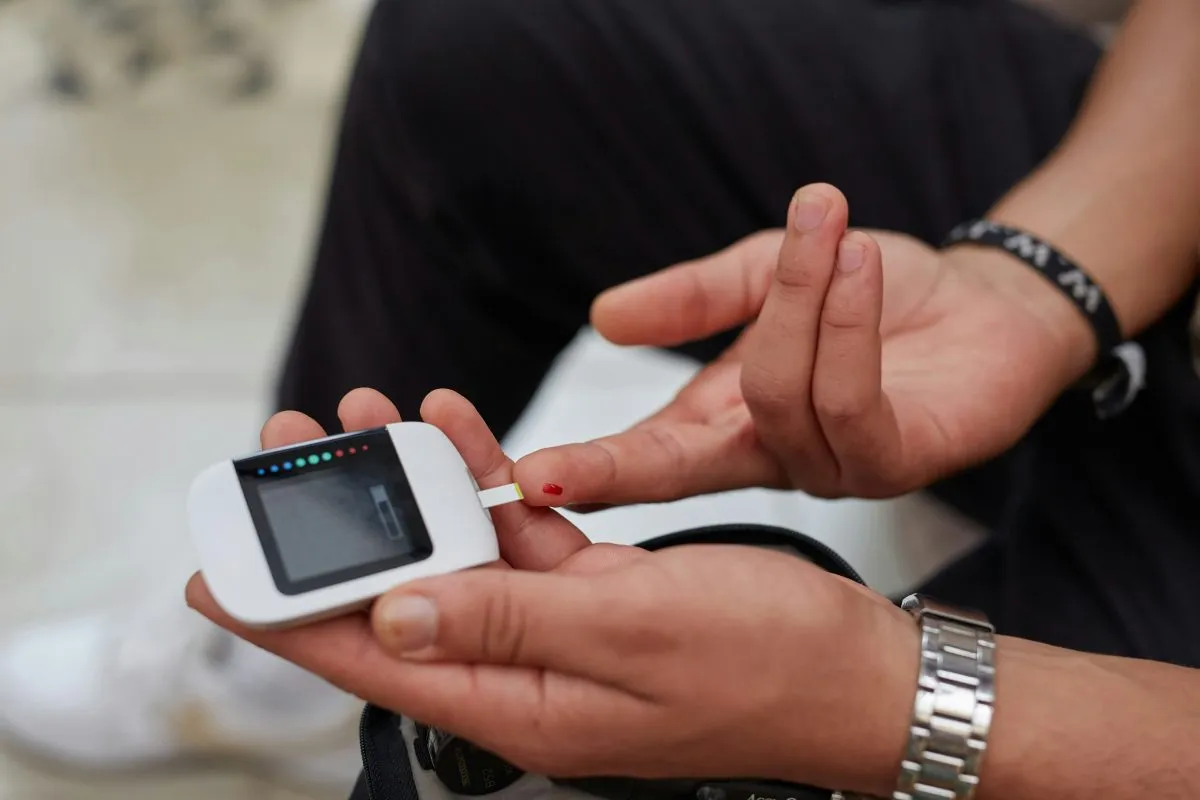
Family involvement is essential for maintaining proper disease control. Patients at risk of hypoglycemia, including those with type 1 diabetes or those using insulin, can receive a glucometer to monitor blood sugar levels at home.
Complications and Prevention Strategies
Uncontrolled diabetes significantly increases the risk of heart attacks and kidney failure. Severe cases can progress to diabetic ketoacidosis or hyperosmolar coma, both life-threatening emergencies. Dr. Tulipano reiterated that early detection, regular medical checkups, and changes in eating habits, physical activity, and sleep patterns are the most effective tools for prevention and management.
The CSS continues expanding its educational outreach through diabetes clinics. These programs target both patients and relatives, recognizing that sustainable disease management requires a supportive home environment. With nearly half a million Panamanians potentially affected, the health system faces mounting pressure to identify undiagnosed cases before complications escalate.