


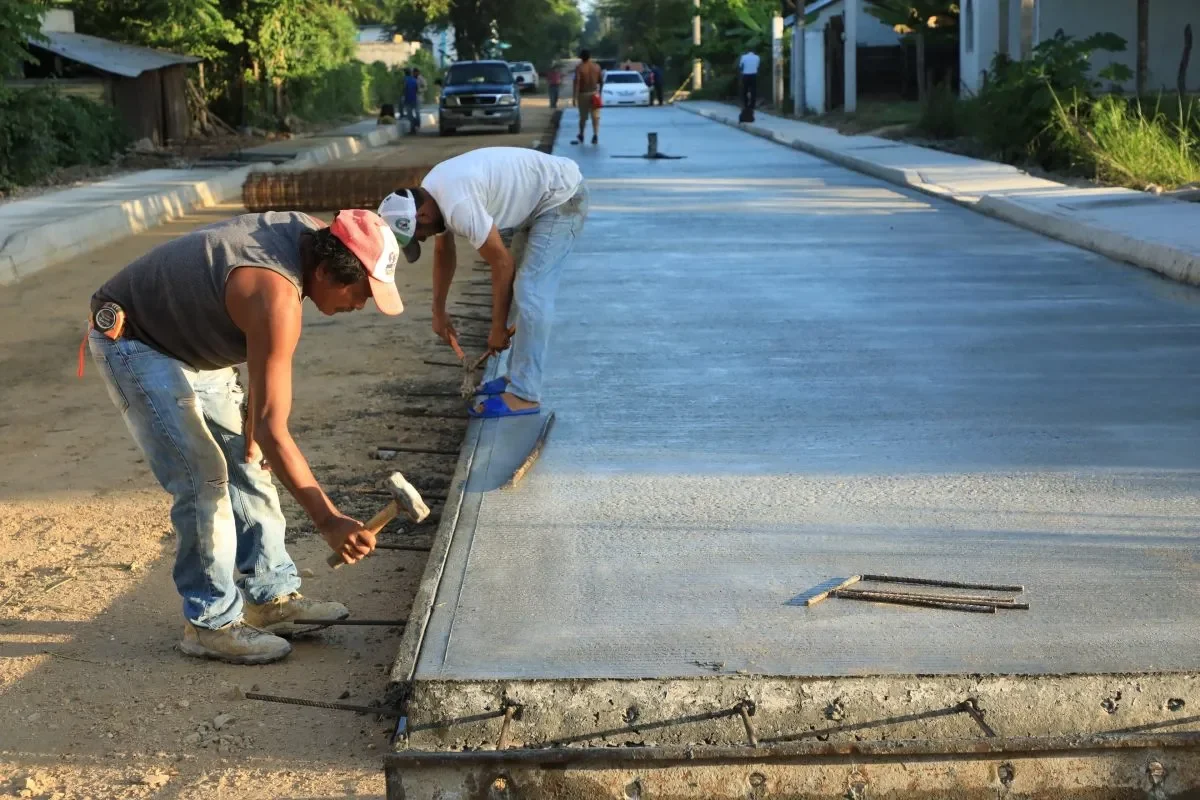
Property owners across Panama City have 60 days to bring their sidewalks into compliance with sweeping new municipal regulations governing pedestrian access, drainage, and surface materials. The Panama sidewalk rules took effect through Acuerdo 316 of the Municipal Council, published in Official Gazette 30646-C, and apply broadly to residential and commercial properties in the district.
Aldo Stagnaro, a real estate purchase advisor, said the new guide establishes clear prohibitions that many owners currently violate without realizing it. The most immediate concern involves garage doors and utility access panels that swing outward over public walkways, along with any fixed obstacle that narrows the pedestrian corridor.
El Municipio de Panamá obliga a los propietarios a adecuar sus aceras con nuevos plazos https://t.co/YUAQaS79qv
— ROBERTO RUIZ DIAZ (@R_RuizDiaz) November 11, 2026
Key Compliance Requirements Under Panama Sidewalk Rules
The regulations mandate a minimum clear walking path of 1.80 meters, with 1.50 meters permitted only by exception. Rainwater runoff must be managed so it does not fall directly onto pedestrians using the sidewalk. Existing construction permits do not exempt property owners from the new standards, meaning even recently approved buildings must be evaluated for compliance.
Surface materials represent another major shift. Smooth ceramic tile is now prohibited. Sidewalks must use anti-slip finishes to reduce fall risks during Panama’s heavy rainy season. Stagnaro emphasized that owners who receive a citation and correct the violation within the established deadline will avoid sanctions entirely.

Exemptions and Enforcement Timeline
The measure does not apply to the historic districts of Casco Antiguo or Panamá Viejo, which maintain separate heritage preservation guidelines. For all other areas of the district, enforcement begins immediately following the official publication of the accord.
Municipal inspectors will evaluate sidewalk conditions during routine operations and in response to citizen complaints. Property owners concerned about their current compliance status should measure their clear walking path, check door swing directions, and assess whether their surface material meets the anti-slip requirement before the 60-day window closes.
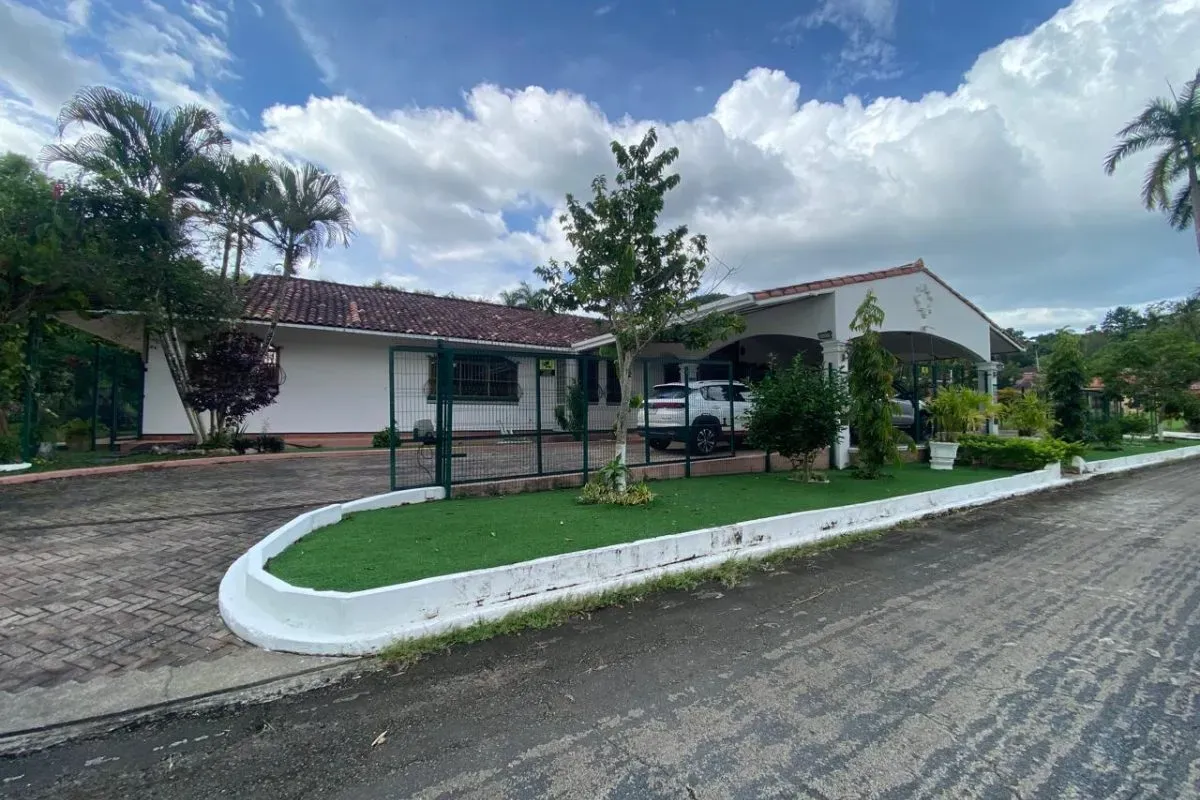
What Property Owners Should Do Now
Real estate professionals recommend documenting current sidewalk conditions with photographs and measurements before making any modifications. Contractors familiar with the new municipal guide can provide compliance assessments covering drainage, surface texture, and obstacle removal.
For rental properties, landlords bear responsibility for sidewalk compliance, though commercial tenants with street-facing entrances should coordinate with owners to avoid business disruptions during repairs. The 60-day correction period offers a narrow but workable timeline for most standard sidewalk adjustments, including replacing ceramic tile with textured concrete or relocating gate hinges to open inward.