


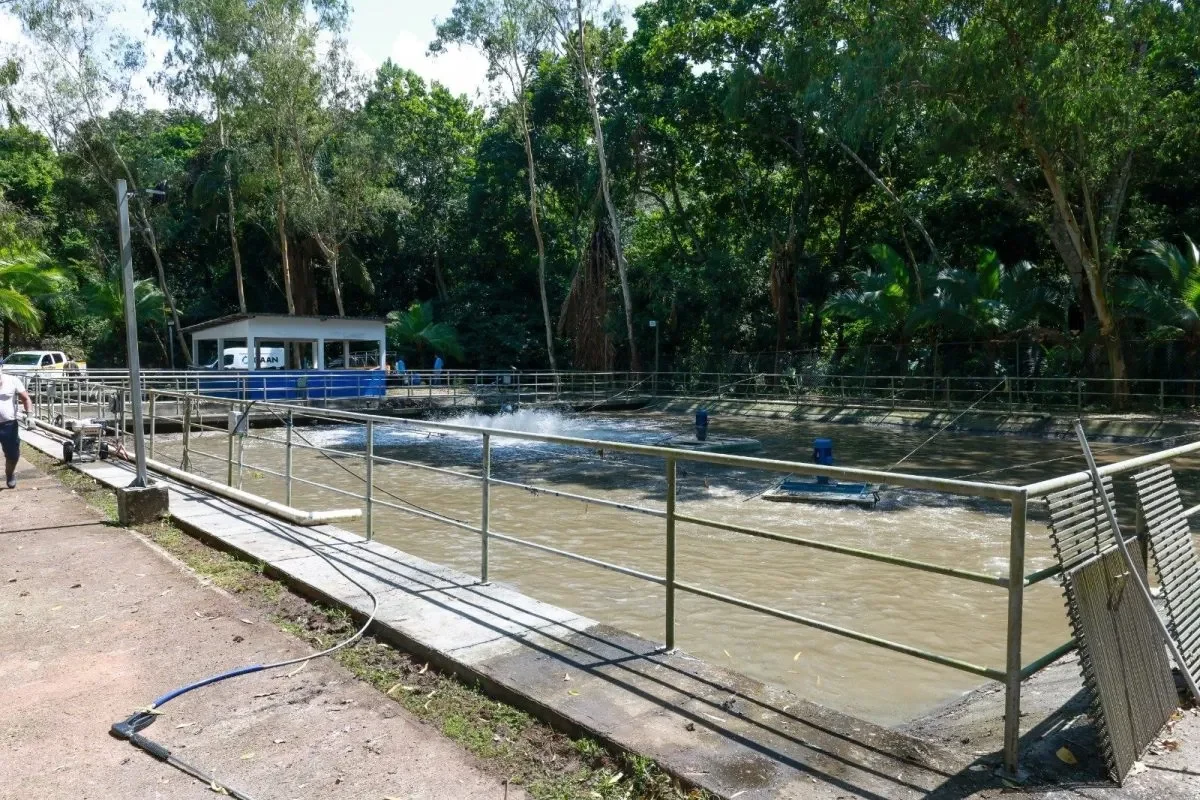
Panama’s Superior Environmental Prosecutor’s Office has opened three separate investigations into suspected river contamination investigation linked to wastewater treatment facilities serving three residential communities in Arraiján, Panama Oeste province. The probes target possible crimes against natural resources, specifically water pollution, along with alleged irregularities in urban planning permits and compliance.
The investigations, confirmed Wednesday, focus on the neighborhoods of Parque del Oeste, Jardines del Oeste, and Princesa Mía. Prosecutors initiated the cases after digital media reports surfaced alleging contamination of rivers and streams in those areas.
Scope of the River Contamination Investigation
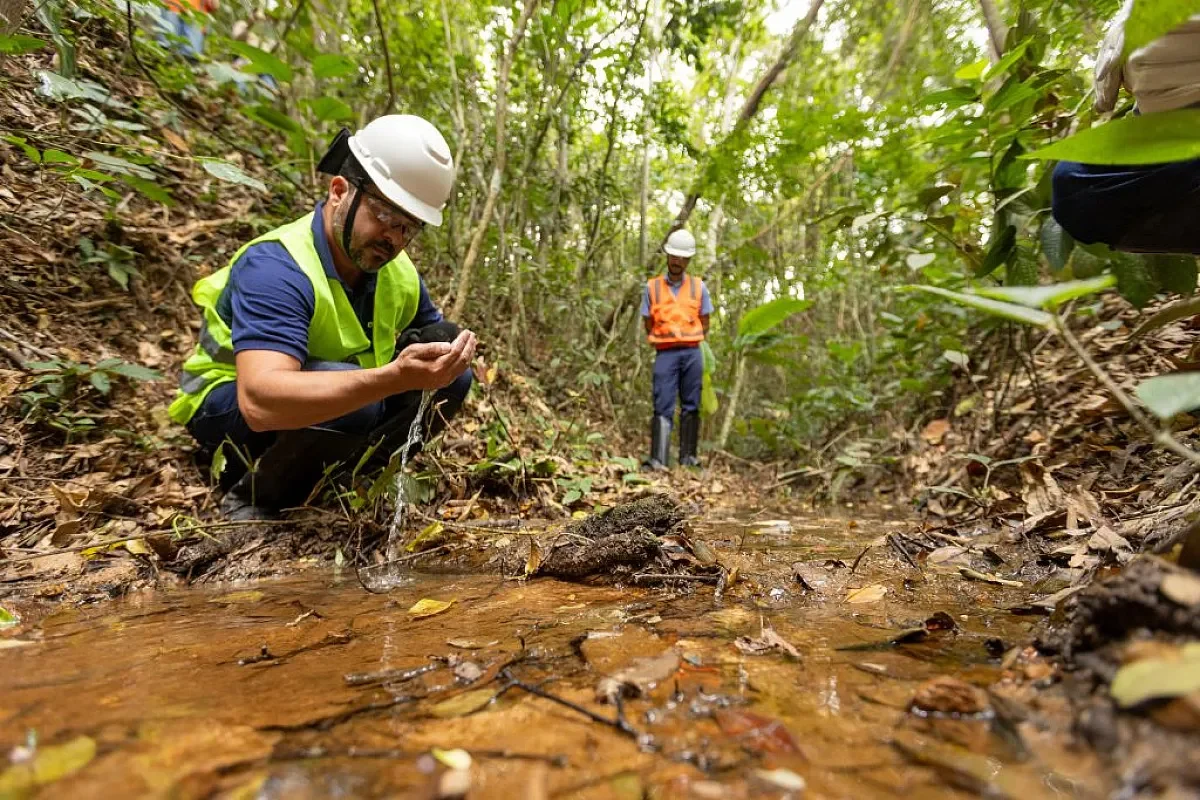
Authorities are examining whether wastewater treatment plants operating in the three barriadas discharged untreated or inadequately treated effluent into nearby water sources. The investigation also covers potential violations
to how construction and operational permits were obtained and whether developers met required environmental safeguards.
The Superior Environmental Prosecutor’s Office confirmed it is conducting active diligence to determine whether criminal liability exists. No individuals or companies have been named publicly at this stage. The office opened the cases ex officio, meaning prosecutors acted on their own authority after reviewing the published complaints rather than waiting for formal denuncias from affected residents.
Fiscalía investiga posible contaminación de ríos y quebradas en tres barriadas de Arraiján https://t.co/e55r5hPEwm
— Telemetro (@Telemetro) November 19, 2026
Communities Under Scrutiny in Panama Oeste
Parque del Oeste, Jardines del Oeste, and Princesa Mía sit within Arraiján, one of Panama’s fastest-growing districts. Rapid residential expansion in Panama Oeste has strained existing water infrastructure, with several developments relying on private treatment systems that environmental groups say often lack adequate oversight.
The investigation encompasses possible violations of Panama’s environmental protection laws covering natural resource contamination. Prosecutors are also reviewing urban development compliance, suggesting the probe may extend beyond water quality to include whether the projects followed zoning and environmental impact requirements from the outset.
Environmental Enforcement and Next Steps
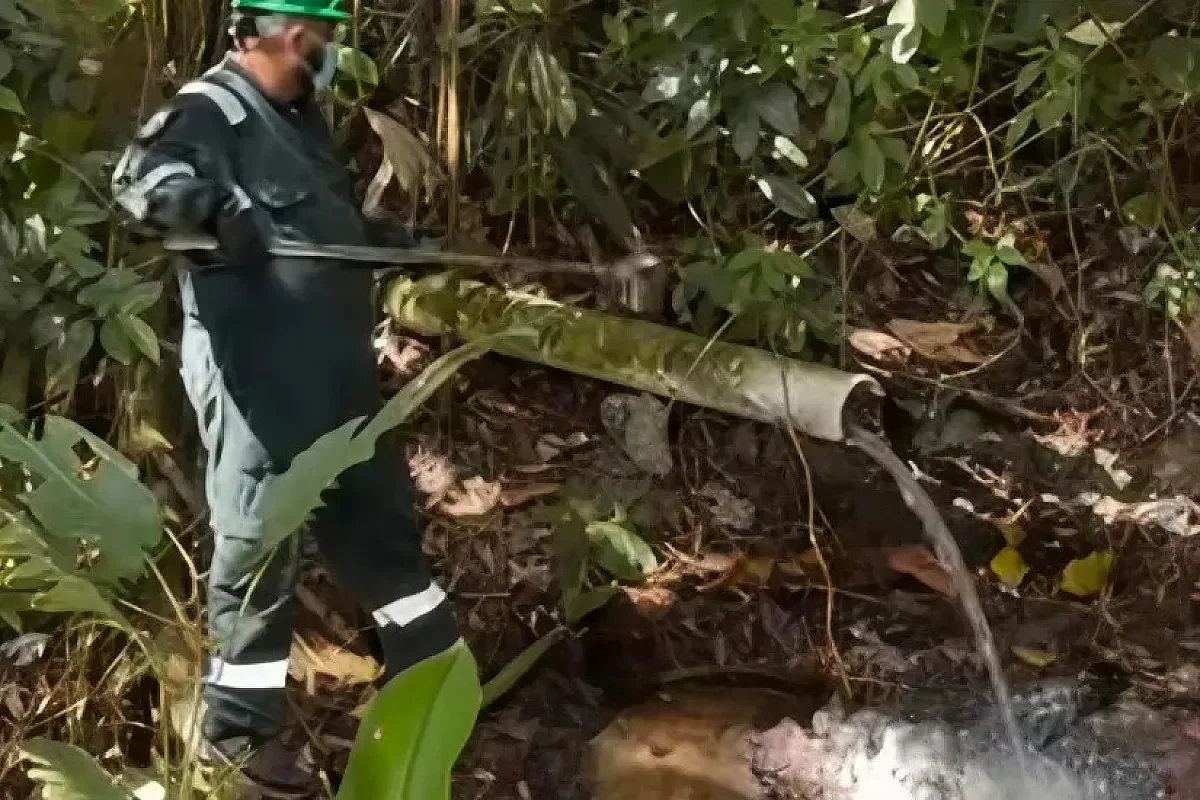
Panama’s Superior Environmental Prosecutor’s Office has increased scrutiny of wastewater management in recent years, particularly in high-growth corridors west of the capital. The three Arraiján cases represent a coordinated response to community concerns aired through digital platforms rather than traditional complaint channels.
Prosecutors have not indicated a timeline for completing the investigations. The office said it continues gathering evidence and conducting technical assessments to determine the extent of any contamination and identify responsible parties. If charges are filed, the cases would proceed through Panama’s specialized environmental courts.