


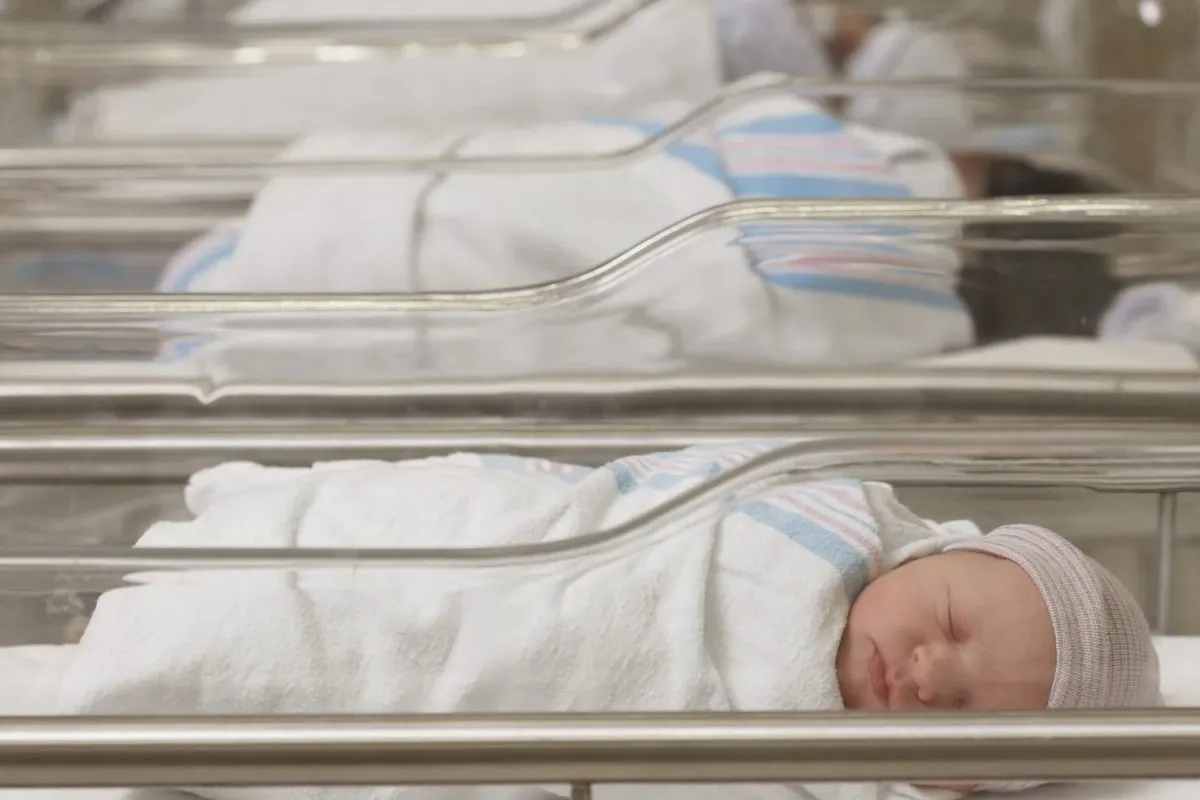
Panama natality statistics show a measurable uptick in births for the first half of the current year, marking a potential turning point after a prolonged demographic decline. Electoral Tribunal records count 32,326 births registered nationwide between January and June.
If that pace holds through December, the country will surpass 65,000 births by year’s end. That projection offers a stark contrast to 2025 figures, when the National Institute of Statistics and Census (INEC) documented just 58,439 live births across the entire republic.
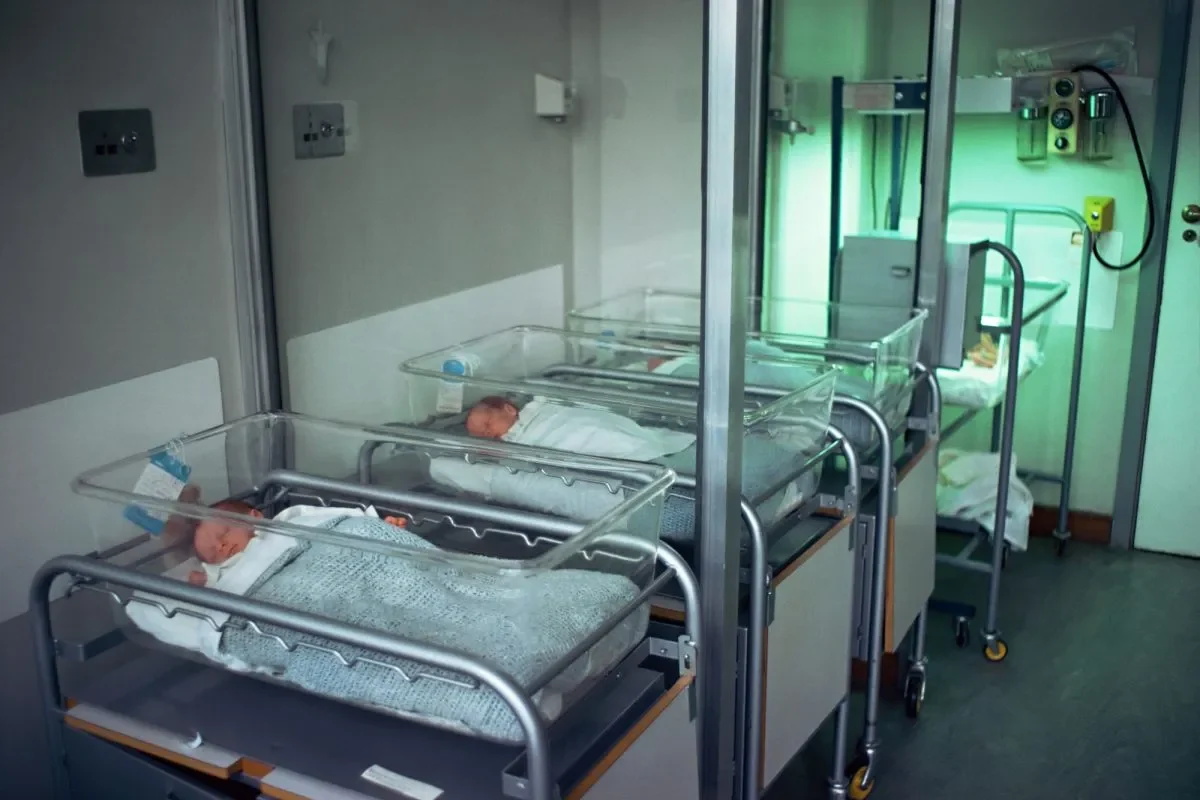
Panama Natality Statistics Show Six-Month Rebound
The six-month total has given demographers reason for cautious optimism. Specialists tracking the data say the current registration rhythm suggests a full-year figure comfortably above the 65,000 threshold. That would reverse a downward slide that had triggered alarms among policymakers and public health officials.
INEC historical reports show the decline was not a one-year blip. Annual birth counts have fallen steadily in recent years, shrinking the country’s younger population cohorts and raising concerns about long-term labor force implications. The latest half-year data interrupts that pattern.
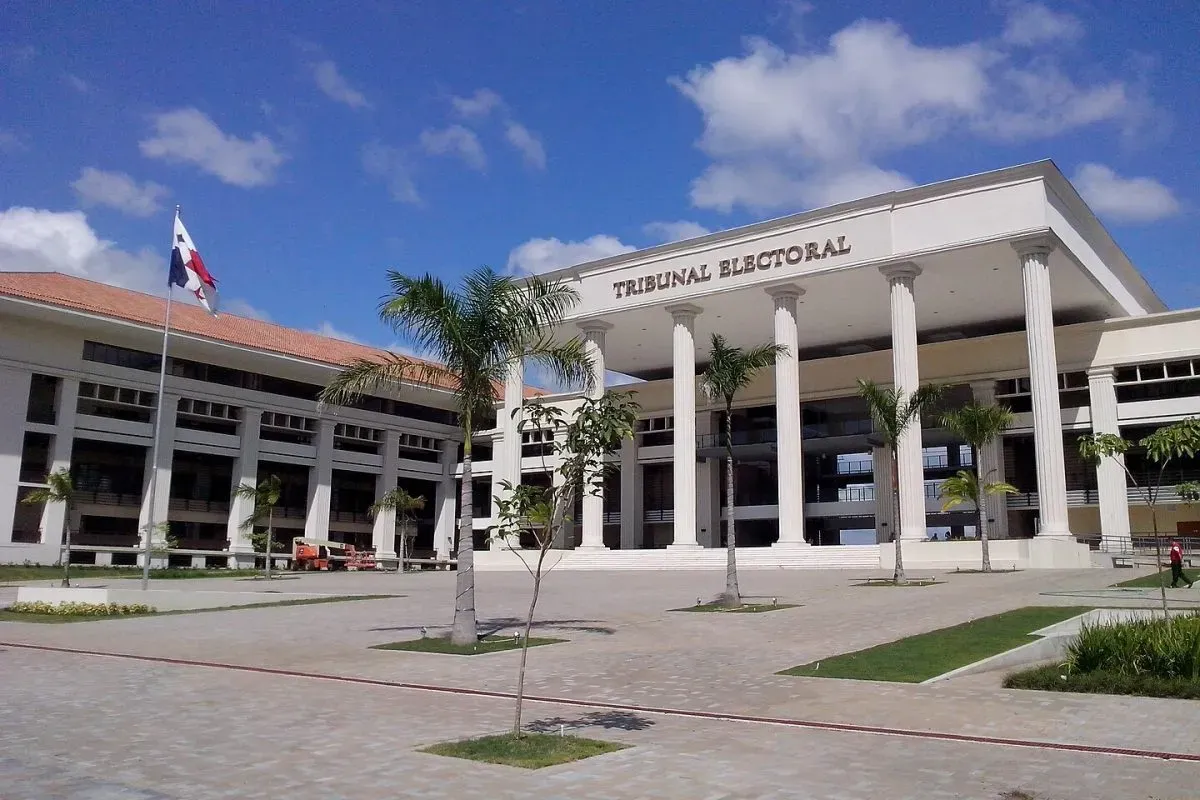
What the Electoral Tribunal Numbers Reveal
Official registration data from the Electoral Tribunal serves as the primary source for tracking births in Panama. The agency’s mid-year count of 32,326 represents every birth formally inscribed across provinces and comarcas. Registrations typically fluctuate month to month, but the six-month snapshot provides a reliable baseline for annual projections.
Demographers caution that half-year figures do not guarantee a full-year trend. Seasonal variations in birth registrations occur, and the second half of the year can diverge from early patterns. Still, the current trajectory stands well above the monthly averages recorded in 2025.
🇵🇦❗Panamá registra más de 8 mil niñas y adolescentes que son madres, según cifras de Aplafa Durante el Foro de los Derechos Humanos de las Niñas y las Adolescentes se expusieron datos sobre la incidencia de embarazos en menores de edad, una problemática que continúa representando un desafío para Panamá. “Hasta el año 2025 fueron casi 6 mil adolescentes embarazadas y fueron casi 251 las que tenían menos de 14 años, por lo que estamos hablando, según la ley queso constituye lo que es un 4buso sex4al”, indicó Nazareth Espinosa, Programas Sociales – Aplafa. La situación también genera preocupación por el incremento de enfermedades de transmisión sexu4l entre menores de edad ”Muchas de ellas por situaciones, en la mayoría de los casos, de 4buso yo sabe de algún padre, un familiar cercano, un profesor”, señaló Ricardo Cruz, Centros de Atención Integral – Ministerio de la Mujer.
— Panamá.Info (@PanamaInfo) November 14, 2026
Demographic Context and Policy Implications
Panama’s falling birth rate has paralleled regional trends across Latin America, where urbanization, increased female workforce participation, and delayed marriage have compressed fertility rates. The 2025 total of 58,439 live births represented one of the lowest annual counts in recent memory.
A sustained recovery above 65,000 births would ease some pressure on social security planning and future workforce projections. Government agencies rely on birth data to forecast school enrollment, healthcare demand, and pension system sustainability. The current rebound, if confirmed by year-end tallies, could reshape those calculations.
Public health officials have not yet attributed the increase to specific policy interventions or economic factors. The data alone does not explain why births rose in the first half of the year. But the numbers offer the first statistical evidence that Panama’s demographic contraction may be stabilizing rather than accelerating.