


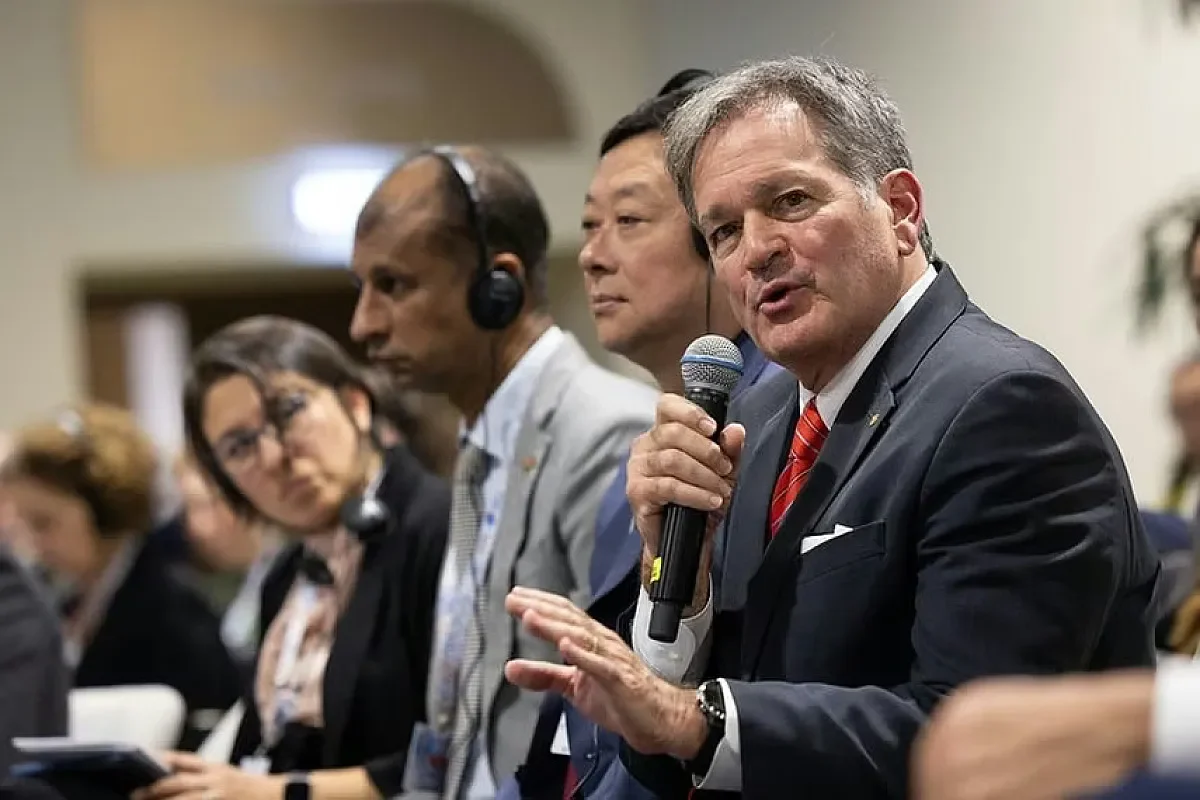
Panama has issued a direct threat to obstruct the adoption of any final agreement at the COP31 climate summit in Antalya, Turkey, if its climate finance demands are not met. The warning came Thursday in an open letter shared with AFP, addressed to the Turkish and Australian presidencies of the United Nations climate conference.
Environment Minister Juan Carlos Navarro outlined eight specific requirements, including an immediate cap on global oil production and proportional contributions from wealthy nations and petroleum producers to a clean energy fund. The letter signals Panama’s willingness to use procedural hardball to force action on fossil fuel phase-out.
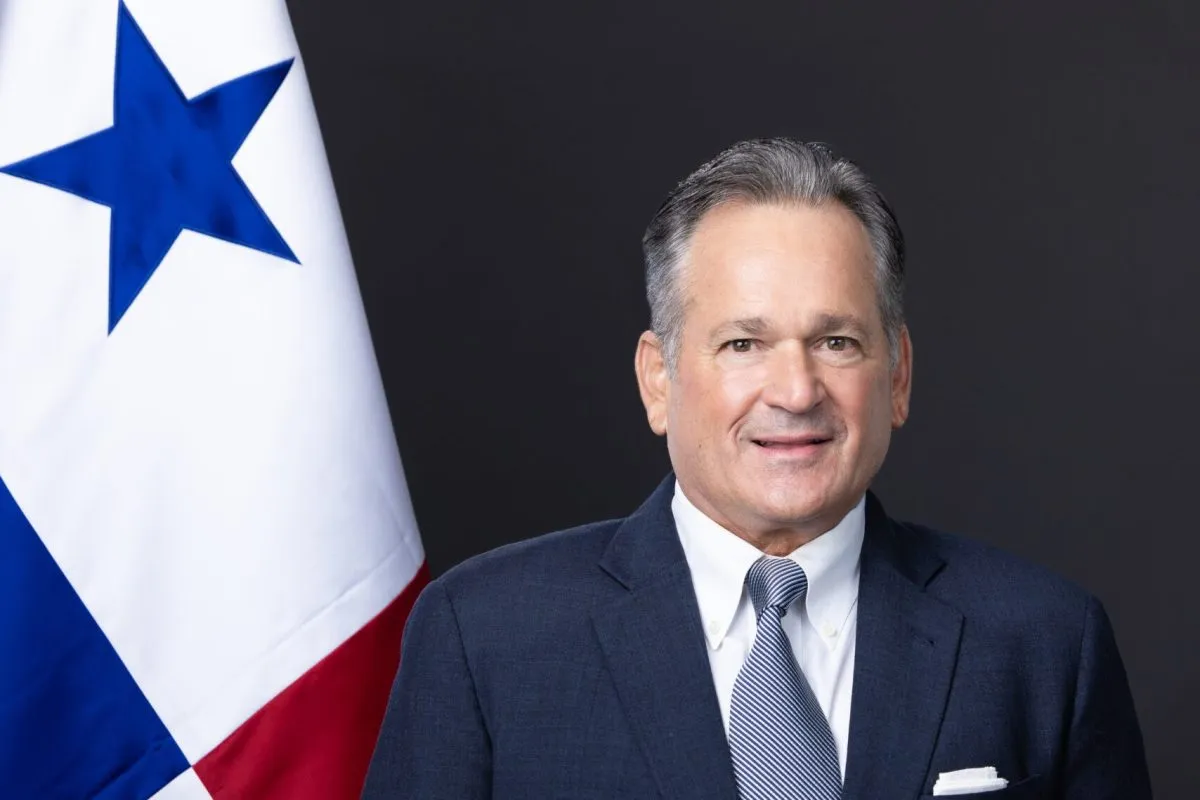
Panama’s Core Climate Finance Demands and Fossil Fuel Stance
The Panamanian delegation insists that any political decision emerging from Antalya must include a verifiable ceiling on worldwide petroleum extraction at current levels. Navarro framed this as a necessary first step in transitioning away from fossil fuels. The letter also calls for developed countries, oil-producing states, and major carbon emitters to make immediate and proportional payments into a clean energy fund.
Those contributions would finance emissions reductions and adaptation measures for nations already suffering the effects of global warming. Panama’s position reflects growing frustration among climate-vulnerable countries over the slow pace of financial commitments from industrialized economies.
Panamá amenaza con bloqueo en la COP31 si no se satisfacen sus demandas https://t.co/oGFZi00qRK
— ECOtvPanamá (@EcoPanamaTV) November 19, 2026
Scientific Integrity and Decision-Making Reform
Beyond financial mechanisms, Panama demands full political support for the Intergovernmental Panel on Climate Change, the scientific body slated to deliver a landmark report by 2028. That year also marks the second global stocktake under the Paris Agreement, a critical checkpoint for assessing progress toward the 1.5 degree Celsius warming limit.
The letter warns that blocking the IPCC report, as some nations have reportedly attempted, would leave policymakers without updated science to craft effective climate strategies. Panama further demands that final texts acknowledge without euphemism the gap between current emissions trajectories and the 1.5 degree target.
Navarro also targeted the consensus-based decision-making rules that allow a small number of countries to stall progress. The letter calls for adopting decisions by simple majority when consensus proves impossible, arguing that the will of a few must not paralyze global action. Panama said it would object to any decision that fails to reform these broken rules.
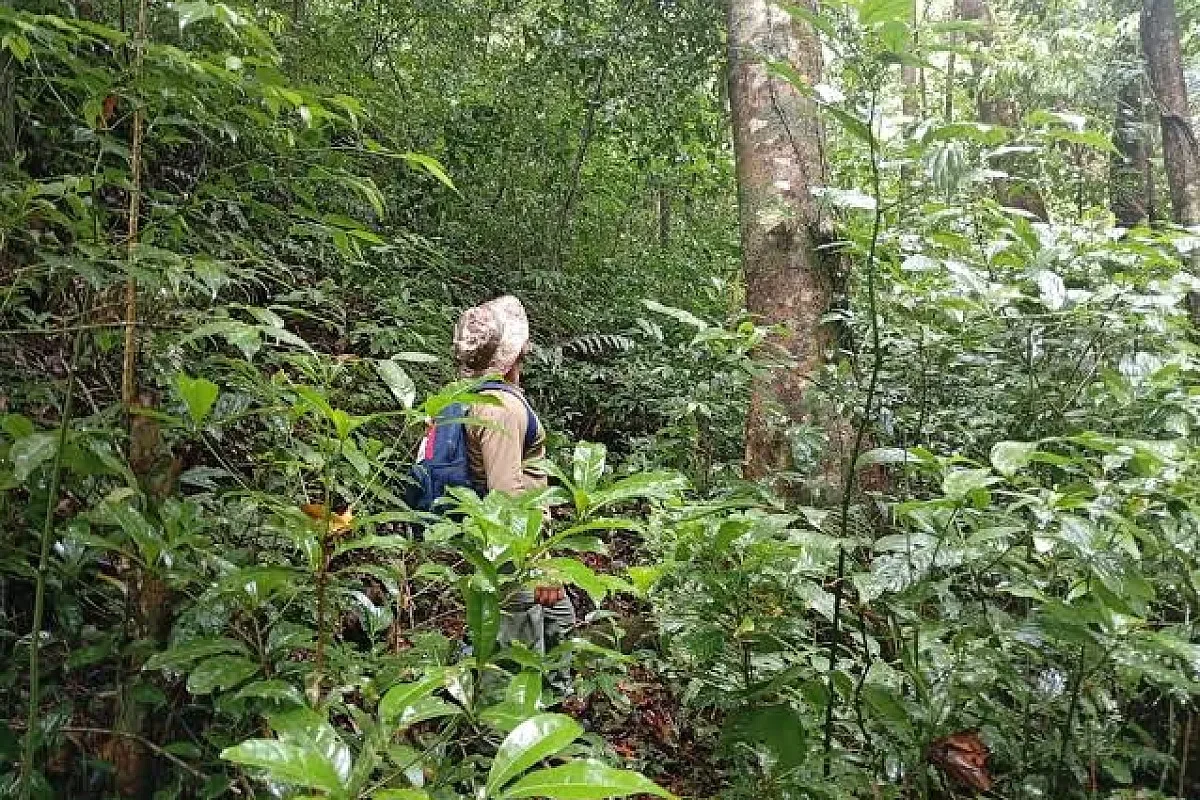
Panama’s Moral Authority as a Carbon-Negative Nation
Navarro has emerged as a key forceful voices against fossil fuels at the Antalya summit. His letter invokes Panama’s unique standing as a carbon-negative country, meaning its forests and mangroves absorb more carbon dioxide equivalent than all other sectors of its economy emit combined.
This environmental status underpins Panama’s claim to moral authority in demanding stronger action from major polluters. The threat to block the final agreement represents a significant escalation in negotiating tactics, positioning a small Central American nation against the interests of powerful oil-producing states and developed economies.