


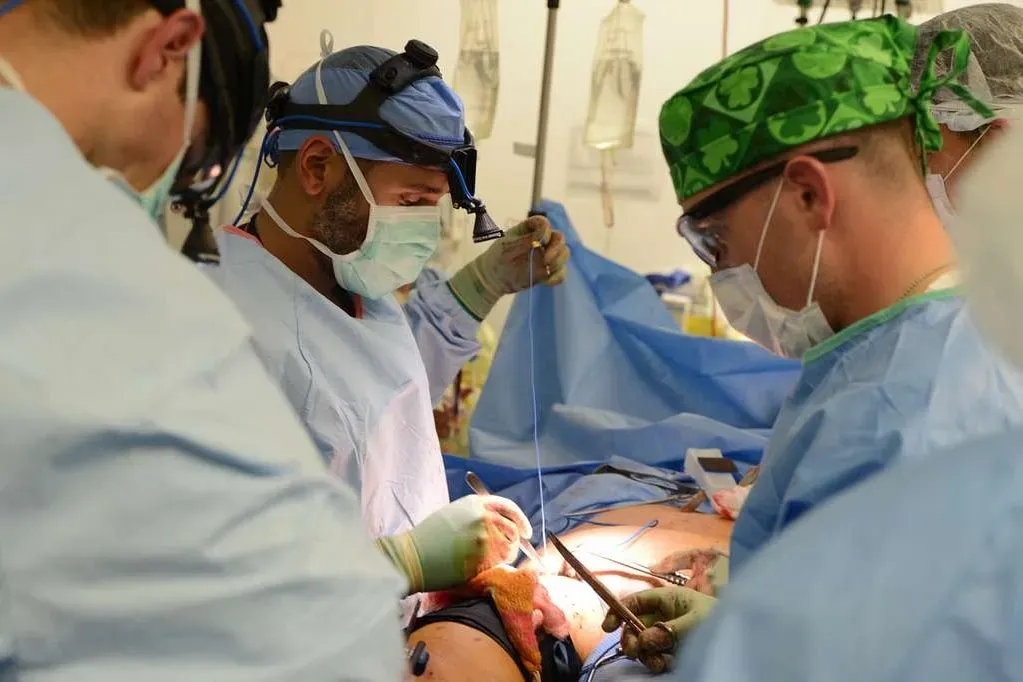
Panama’s Hospital Santo Tomás has documented just two organ donors so far in 2026, a figure that underscores a deepening organ donor shortage threatening the lives of hundreds of patients awaiting transplants. The dramatic decline has prompted hospital officials to launch an urgent public awareness campaign aimed at reversing what coordinators describe as “red numbers” compared to previous years.
Julio Jaramillo, coordinator of Organ Donation at Hospital Santo Tomás, confirmed the alarming statistics on Thursday, revealing that the scarcity comes despite a doubling in the number of people who express willingness to donate. The disconnect between registered intent and actual donations has become the central challenge facing Panama’s transplant system.
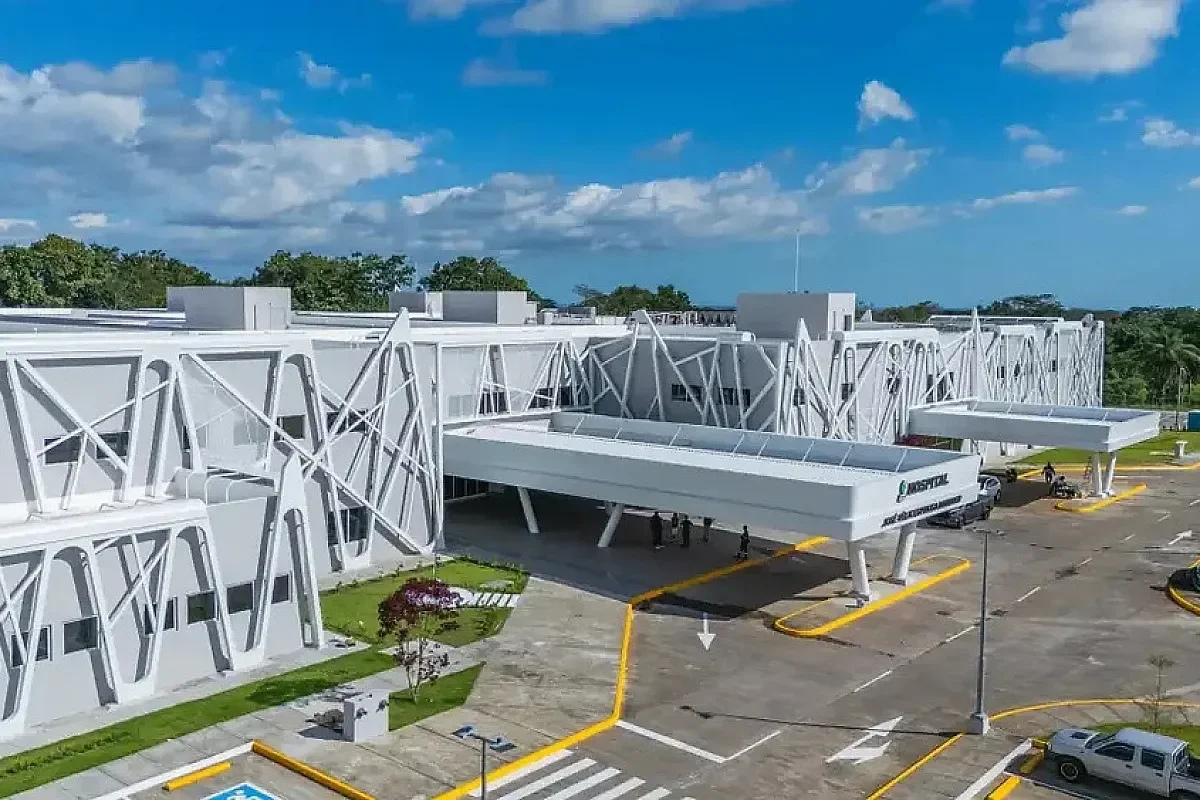
Waiting Lists Reveal Scope of Organ Donor Shortage
The human cost of the shortage is stark. Approximately 400 people currently wait for a kidney transplant, 60 require corneal tissue, and eight patients remain on the liver transplant list. Each delay increases mortality risk for patients whose survival depends on timely access to compatible organs.
Hospital Santo Tomás has historically served as the backbone of Panama’s organ procurement network, capturing the majority of donors nationwide. The current decline So carries outsized consequences for the entire country’s transplant infrastructure.
Un solo donante puede salvar hasta ocho vidas, destaca el Hospital Santo Tomás, pero Panamá registra solo cuatro donaciones este año por tabúes. https://t.co/UjNazr47Co
— PanamáAmérica (@PanamaAmerica) November 19, 2026
Family Refusals Block Registered Donor Wishes
Jaramillo identified a critical barrier that explains the paradox between rising donor registrations and falling actual donations. In most cases, families of deceased individuals override the expressed wishes of their loved ones, refusing to authorize organ retrieval at the moment of loss.
This pattern points to a cultural and educational gap rather than a lack of individual willingness. Hospital staff have begun training programs designed to equip personnel with tools to discuss donation sensitively with grieving families while respecting the documented intentions of the deceased.
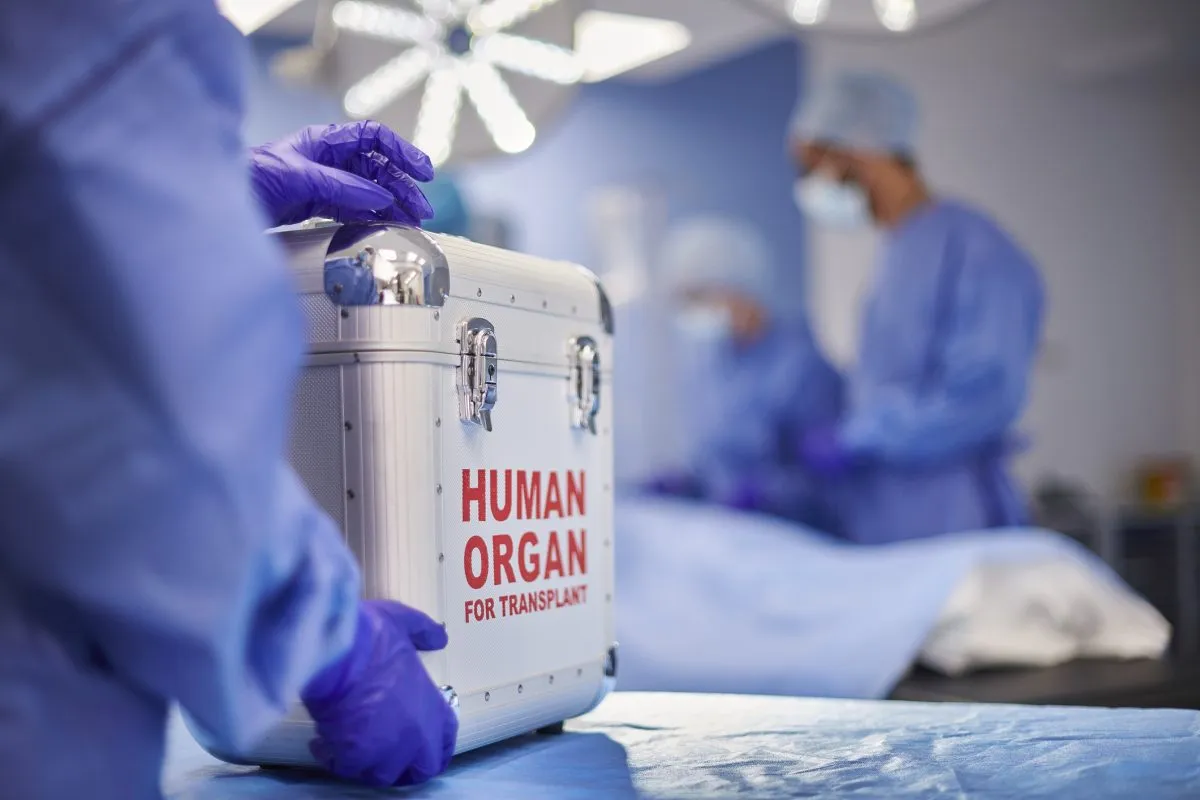
Campaign Targets Myths Surrounding Organ Donation
The hospital’s current initiative focuses on dismantling misconceptions that fuel family refusals. Community outreach efforts aim to normalize conversations about organ donation before a crisis occurs, reducing the emotional burden on families making decisions under acute stress.
A single donor can save up to eight lives, according to figures cited by Panamanian health authorities. That multiplier effect means even modest improvements in donation rates could dramatically reduce waiting lists across multiple transplant categories simultaneously.
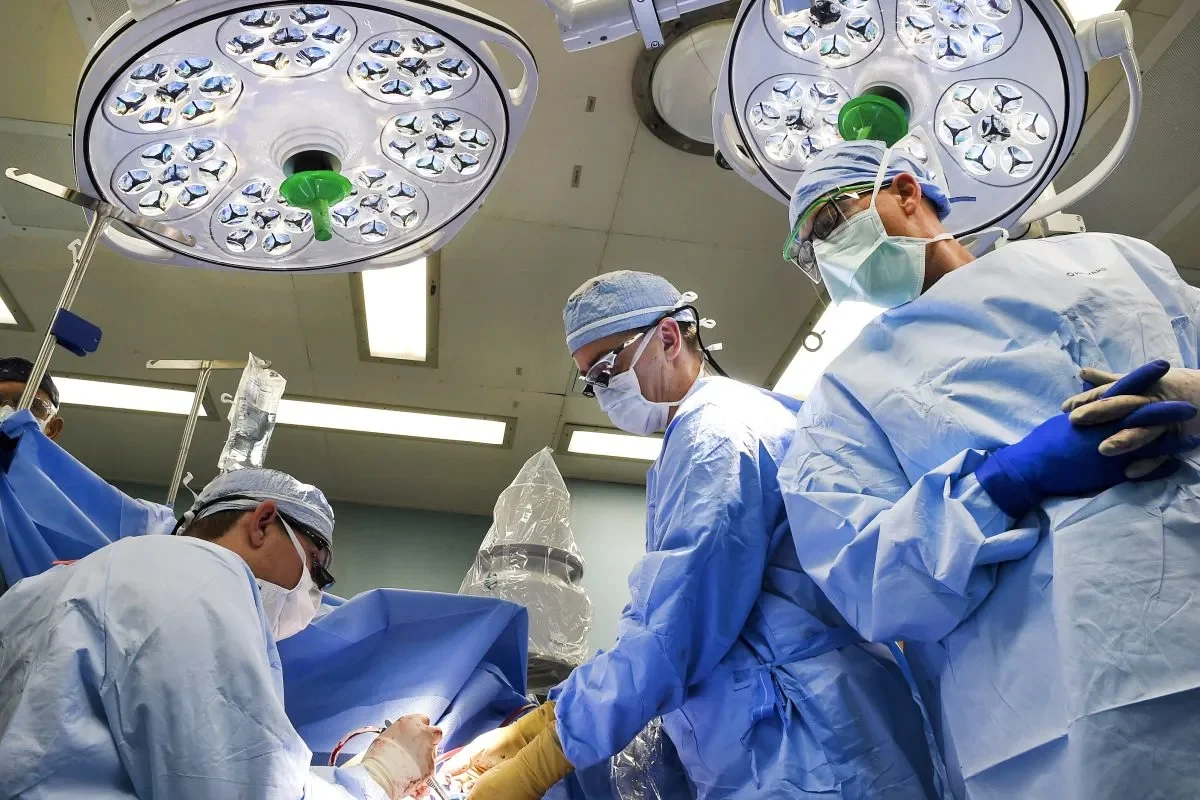
Systemic Challenges and Next Steps
The 2026 decline follows years of inconsistent donation rates that have kept waiting lists persistently long. Transplant coordinators argue that sustainable improvement requires legal clarity, hospital-level protocols, and sustained public education rather than reactive campaigns triggered by crisis-level shortages.
Hospital Santo Tomás plans to expand its community information sessions in the coming months, targeting schools, workplaces, and religious institutions. Officials hope that normalizing donation discussions will gradually shift family decision-making patterns and align actual donations with the doubling of registered donor intent already observed.