


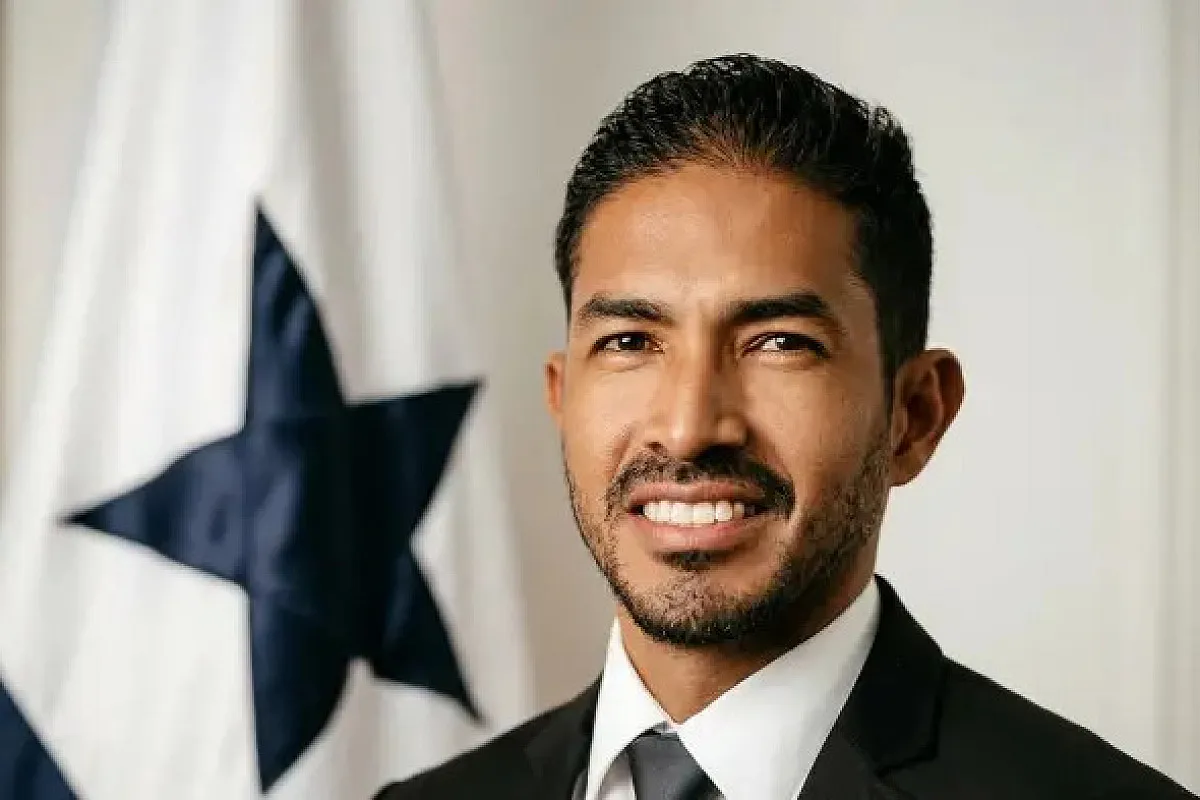
The National Authority for Transparency and Access to Information (ANTAI) has imposed mayor nepotism sanctions on Eric Jaén, the mayor of Santiago, for hiring a relative in violation of public ethics rules. The administrative ruling, announced Thursday, includes a financial penalty and a recommendation that the family member be removed from the municipal payroll immediately.
The decision has triggered a wave of reactions across social media platforms, with users divided over whether the enforcement reflects consistent application of Panama’s anti-nepotism laws or selective prosecution targeting certain officials.
Details of the Nepotism Ruling Against Eric Jaén
The ANTAI investigation concluded that Jaén’s appointment of a relative to a municipal position breached transparency and ethical standards governing public service. Beyond the monetary fine, the agency formally recommended the immediate dismissal of the contracted family member from the Santiago municipality.
The ruling adds Jaén to a growing list of mayors sanctioned for similar violations. Multiple municipal leaders across Panama have faced administrative penalties for placing relatives in government roles, raising questions about the prevalence of the practice despite existing legal prohibitions.
La @ANTAI_Panama sanciona a servidores públicos por nepotismo, las universidades están d emoda aquí. Además el alcalde de Santiago, Veraguas tenía nombrado a un familiar. #NacionalesKW https://t.co/M0kmUeqFL9
— KW Continente (@KWCONTINENTE) November 17, 2026
Social Media Reaction and Claims of Unequal Treatment
Online discourse following the announcement revealed sharp divisions among Panamanians. Some users questioned why previous administrations appeared to escape scrutiny despite what they described as widespread familial hiring practices.
“Why weren’t the previous ones investigated when they had relatives up to their great-great-grandmother working there?” [Translated from Spanish]
Other commenters pointed to family members of national government officials and asked why similar situations involving those figures have not, in their view, prompted comparable investigations. The perception of inconsistent enforcement has become a central theme in the public response to Jaén’s sanction.
Tras dejar al descubierto la @ANTAI_Panama la corrupción y el nepotismo en varias Alcaldía de Veraguas El de Veraguas – Eric Jaén, solo escribió en X “Soy un hombre de Ley” ¿Abogado? Un cambio que nunca llegó a la Alcaldia y que los veragüenses ven otro camino solo para familiares vestido de NEPOTISMO. El Alcalde Jaén, que le encanta estar en redes sociales y subir videos, se a quedado MUDO está vez.
— La Voz De Veraguas (@LaVozDeVeraguas) November 18, 2026
Defense of the Mayor and Political Persecution Allegations
Supporters of Jaén pushed back against the ruling, with one social media user describing the action as potential “political persecution” and demanding that any genuine irregularity be investigated while insisting the law apply equally to all public officials.
Another commenter urged the mayor not to let criticism tarnish his reputation and encouraged him to continue his administration’s work. The contrasting responses underscore the polarized nature of public trust in oversight institutions.
Broader Implications for Anti-Nepotism Enforcement
The Santiago case highlights persistent challenges in enforcing Panama’s nepotism prohibitions uniformly across all levels of government. While ANTAI has demonstrated willingness to sanction municipal leaders, public skepticism remains about whether the agency pursues violations with equal vigor at every tier of the state apparatus.
The debate surrounding Jaén’s sanction reflects a broader citizen demand for accountability that transcends political affiliation and administrative hierarchy. Whether future enforcement actions will address those concerns remains an open question for Panamanian governance.