


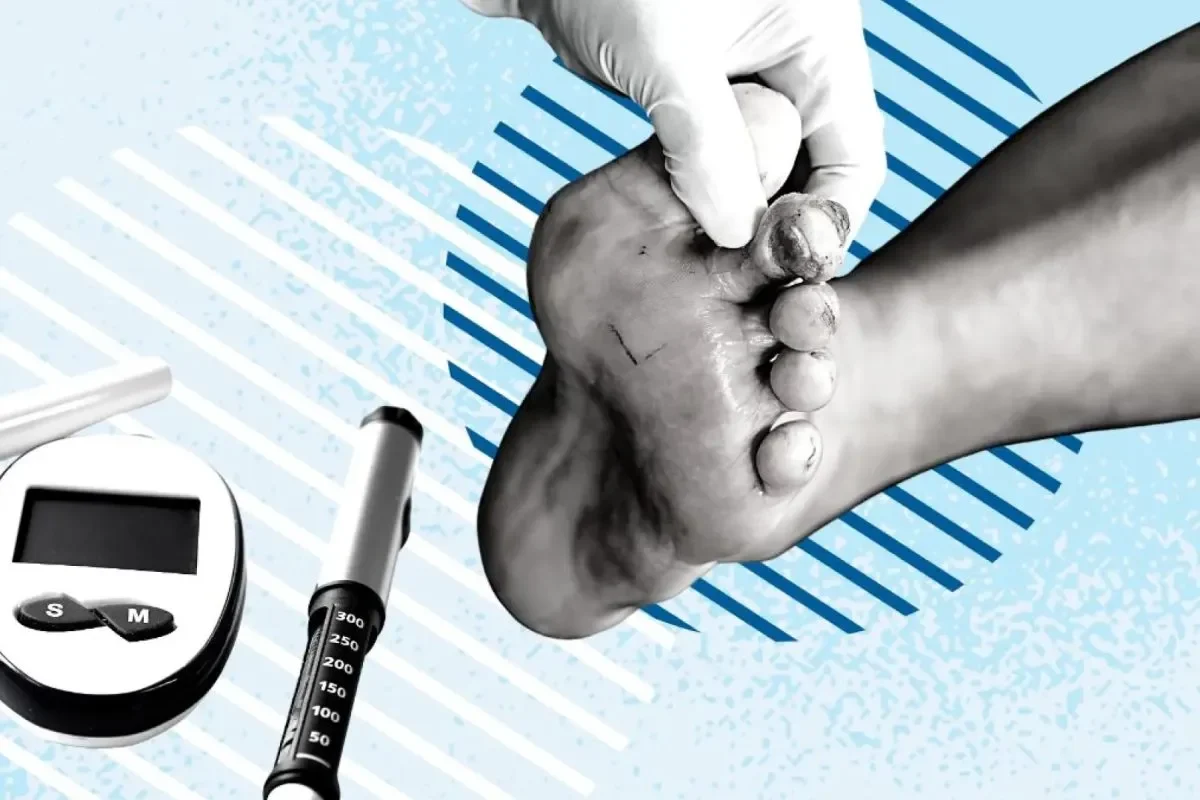
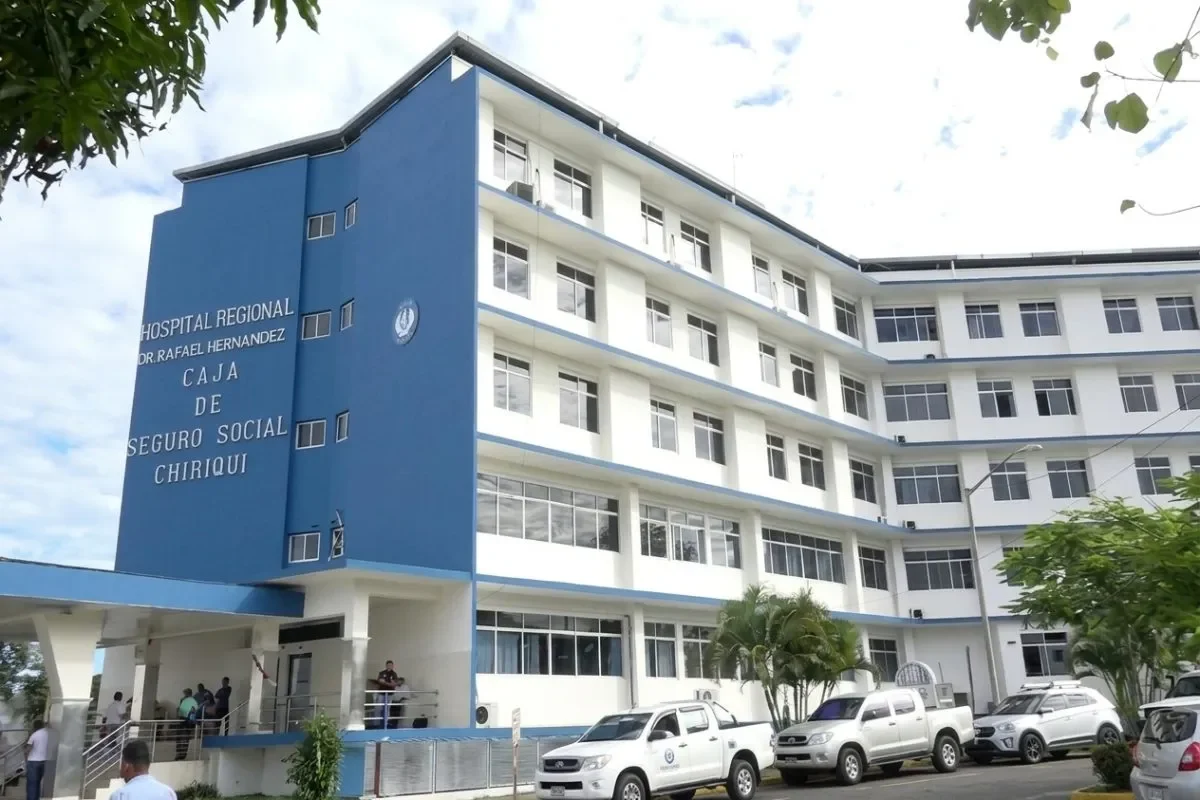
A patient in Chiriquí province avoided an above-the-knee amputation after doctors applied an innovative diabetic foot treatment for the first time at the Centro Hospitalario Especializado Dr. Rafael Hernández in David, Panama. The procedure, known as intra-arterial lithotripsy, restored blood flow to the patient’s leg and foot, eliminating the need for what medical reports had described as the only life-saving option.
Hospital officials confirmed that three patients have now undergone the minimally invasive technique, all successfully. Each case stemmed from arterial blockages caused by diabetes, a condition that frequently leads to poor circulation and, in severe cases, limb loss.
How Intra-Arterial Lithotripsy Restores Blood Flow
The technique uses shock waves to break up calcium deposits that harden artery walls and restrict circulation. Unlike open surgery, the procedure requires an incision no larger than five millimeters. A catheter is guided to the affected area, where an intravascular lithotripsy balloon delivers successive pulses to fragment the calcified plaque responsible for the blockage.
Sikia Wong, a specialist in interventional radiology and endovascular therapy, described the severity of calcification in some patients. “A severely calcified artery can acquire a consistency similar to that of a stone,” she said [Translated from Spanish]. The shock wave approach restores vessel flexibility without damaging arterial walls, allowing blood to flow naturally again.
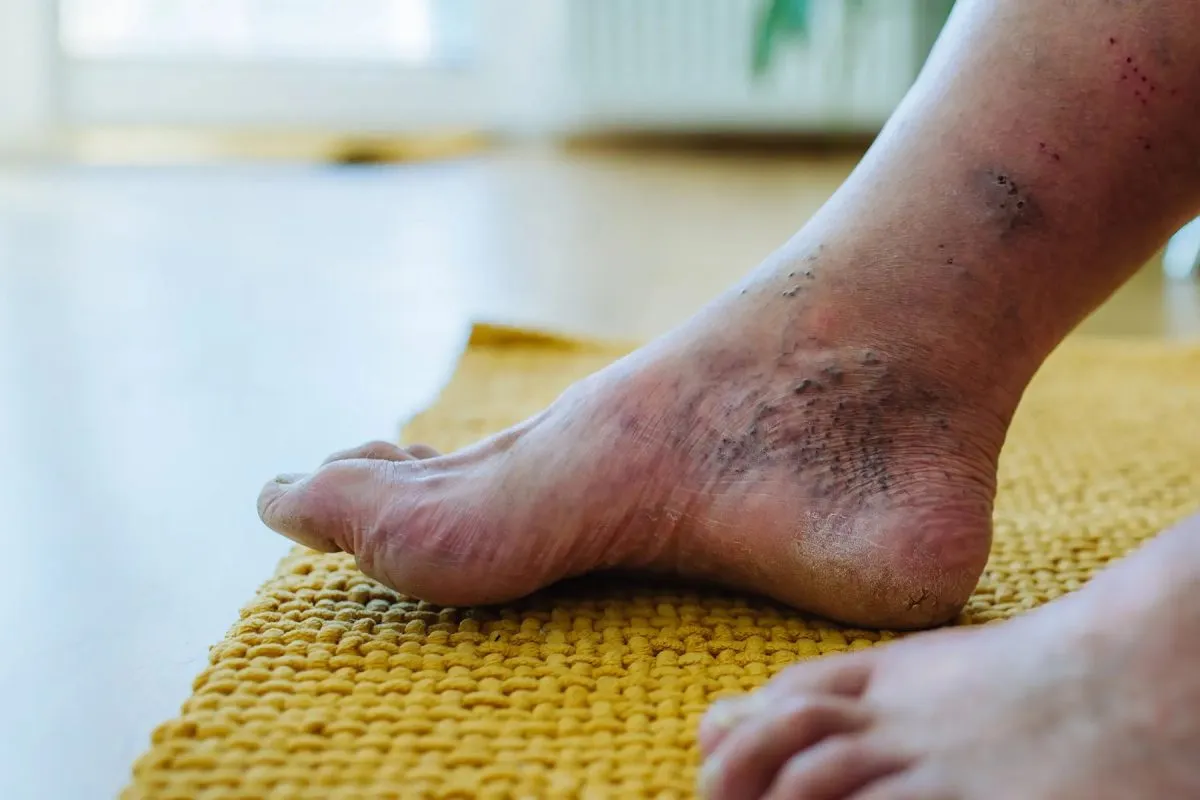
The first patient treated at the facility presented with severe lesions on his foot and toes, caused by arterial narrowing that prevented adequate circulation. The other two patients had similar clinical profiles linked to diabetic foot complications. In all three cases, the medical objective was identical: restore circulation to the lower leg and foot before irreversible damage forced amputation.
Diabetic Foot Treatment Reduces Surgical Risk
Traditional vascular surgeries often require larger incisions and carry higher risks for patients already dealing with serious circulatory complications from diabetes. Intra-arterial lithotripsy avoids these complex procedures, reducing surgical risk while achieving the same goal of reopening blocked arteries.
Wong emphasized the significance of preserving limbs whenever possible. “For me it is very important, as it is for patients, to conserve their extremity, and the lower the level of amputation, the more functionality the patient has,” she said [Translated from Spanish]. In the cases treated at the David hospital, the goal was to save the foot entirely.
The procedure represents a significant advancement for diabetic foot treatment in Panama’s public health system. Diabetes remains a leading cause of lower-limb amputations worldwide, and access to techniques that prevent such outcomes can dramatically improve quality of life for patients.
What This Means for Diabetic Patients in Panama
The successful application of intra-arterial lithotripsy at the Centro Hospitalario Especializado Dr. Rafael Hernández positions the facility as a regional reference point for advanced vascular care. The technique is guided by imaging technology, allowing precise navigation to the blockage site without exposing patients to the trauma of open surgery.
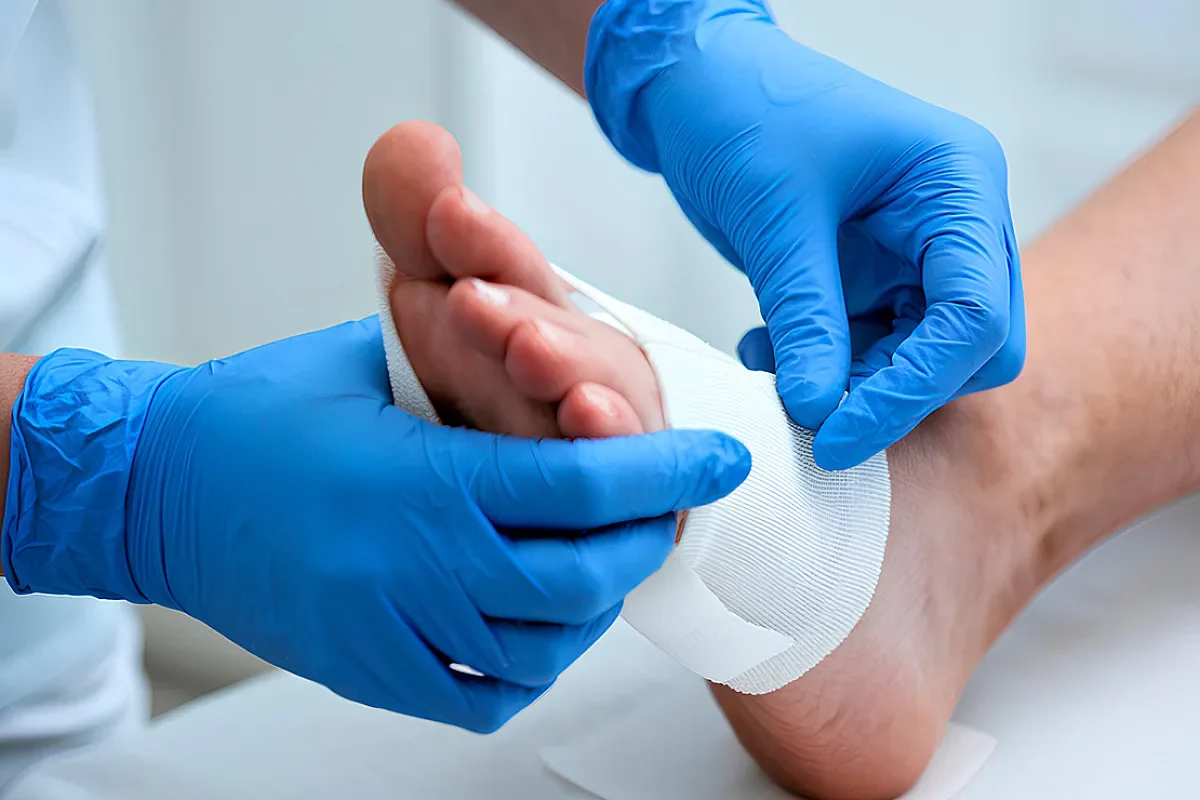
For diabetic patients facing the prospect of amputation, the availability of this treatment offers a critical alternative. Doctors can now intervene earlier, restoring circulation before tissue death occurs. The five-millimeter incision also means shorter recovery times and fewer post-operative complications compared to traditional bypass procedures.
CSS realiza innovador tratamiento para evitar amputaciones en pacientes diabéticos https://t.co/8z62yR2vh9
— ECOtvPanamá (@EcoPanamaTV) November 20, 2026
Hospital officials indicated that the three successful cases represent the beginning of broader adoption of the technique. As more specialists train in interventional radiology and endovascular therapy, the procedure could become standard practice for treating diabetic foot complications across Panama’s public healthcare network.
Ultimately, the breakthrough in David underscores a shift toward minimally invasive solutions for one of diabetes’ most devastating consequences. Preserving limbs, Wong noted, translates directly into preserving patients’ independence and functional capacity. The procedure’s success in Chiriquí may soon influence treatment protocols elsewhere in the country, offering hope to thousands of Panamanians living with diabetes-
circulatory disease.