


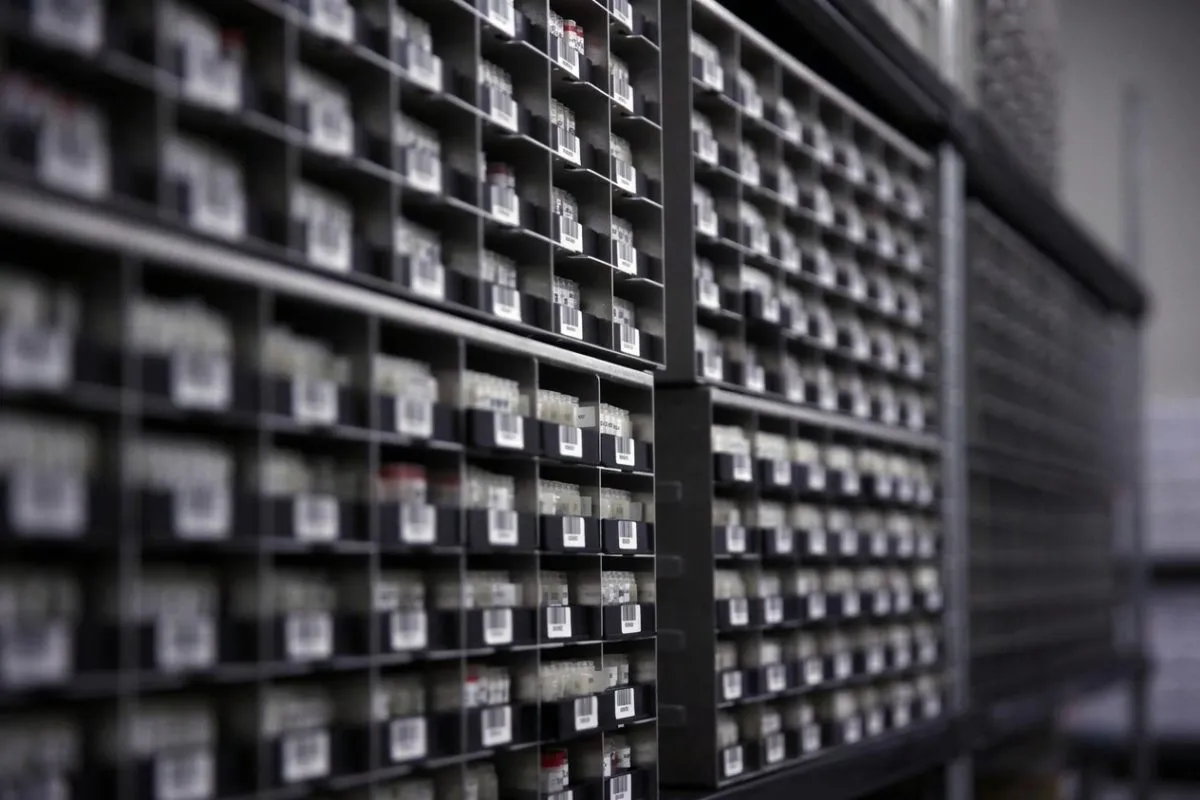
An international team working on Panama genetic research has documented 105 new genetic sequences for invertebrate species across three of the country’s protected areas. The findings, published in the journal BioScience from Oxford University Press, fill a significant gap in Mesoamerican biodiversity databases.
Researchers collected samples from the Metropolitan Natural Park, Soberanía National Park, and the Caribbean coast of Portobelo. Out of 158 total DNA barcode sequences obtained, roughly two-thirds represented first-time genetic records for their respective species. All sequences now sit in public access repositories for global scientific use.
Invasive Species Detected Through Panama Genetic Research
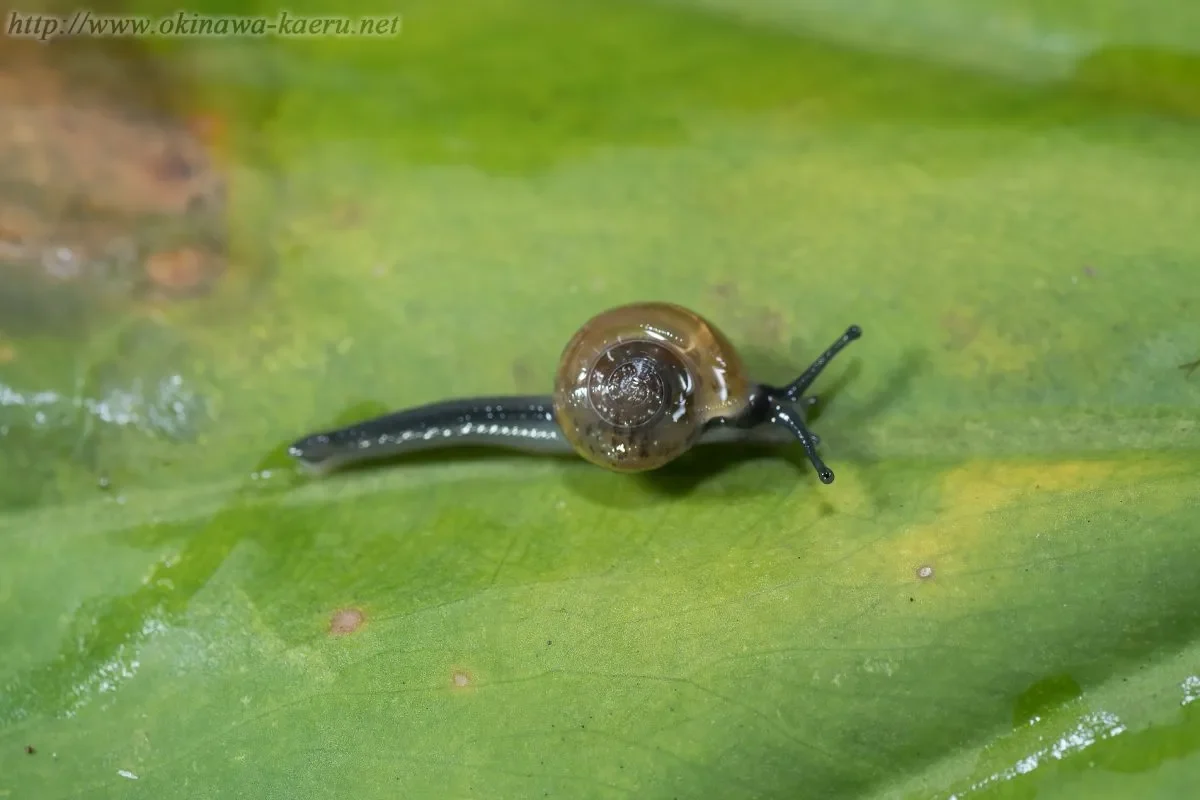
Among the most striking discoveries were two invasive species. The team confirmed the presence of Ovachlamys fulgens, a land snail native to Japan, marking its first documented appearance in Panama. Agricultural officials consider this species a potential threat to crops.
A bivalve mollusk from the genus Saccostrea also appeared in Portobelo waters. Its proximity to the Panama Canal raises questions about how maritime traffic disperses organisms between ocean basins. Scientists say these detections underscore the value of molecular monitoring for early warning systems.
#Nacionales Un equipo científico internacional, en el que participa el investigador Darío Eliecer Córdoba González de la Universidad de Panamá, logró documentar 105 nuevos registros genéticos de especies de invertebrados en tres áreas protegidas del país. Los resultados, publicados en la revista BioScience de Oxford University Press, se obtuvieron mediante el uso de código de barras de ADN a partir de muestras recolectadas en el Parque Natural Metropolitano, el Parque Nacional Soberanía y la costa caribeña de Portobelo. Del total de 158 secuencias obtenidas, cerca de dos tercios representaron los primeros registros genéticos para sus respectivas especies, los cuales fueron incorporados a repositorios de acceso público. Entre los hallazgos más relevantes destaca la detección de dos especies invasoras: el caracol terrestre Ovachlamys fulgens, originario de Japón y confirmado por primera vez en Panamá, que puede afectar cultivos; y un molusco bivalvo del género Saccostrea en la costa de Portobelo, cuyo hallazgo cerca del Canal de Panamá plantea interrogantes sobre la dispersión de organismos por el tráfico marítimo. La investigación advierte que gran parte de la diversidad genética de los invertebrados mesoamericanos sigue subrepresentada en las bases de datos internacionales, y destaca que los programas de formación científica, incluso con recursos limitados, pueden generar información clave para la gestión ambiental y la conservación.
— Radio Chiriquí (@RadioChiriqui) November 18, 2026
Research Training Programs Yield Conservation Data
Darío Eliecer Córdoba González, a researcher at the University of Panama, participated in the study. The work demonstrates that scientific training initiatives, even those operating with limited budgets, can generate actionable information for environmental management and conservation policy.
The paper cautions that invertebrate genetic diversity across Mesoamerica remains severely underrepresented in international databases. Without baseline genetic libraries, detecting future invasions or tracking biodiversity loss becomes nearly impossible.

Implications for Environmental Management
The new sequences give Panamanian authorities a stronger toolkit for identifying species quickly. Rapid identification matters when invasive organisms threaten agriculture or native ecosystems. The public repositories also allow researchers elsewhere to compare specimens against verified Panamanian reference data.
Ultimately, the study positions Panama as a growing contributor to regional genetic archives. The combination of accessible technology and local scientific expertise proves effective for closing knowledge gaps in tropical invertebrate biodiversity.