


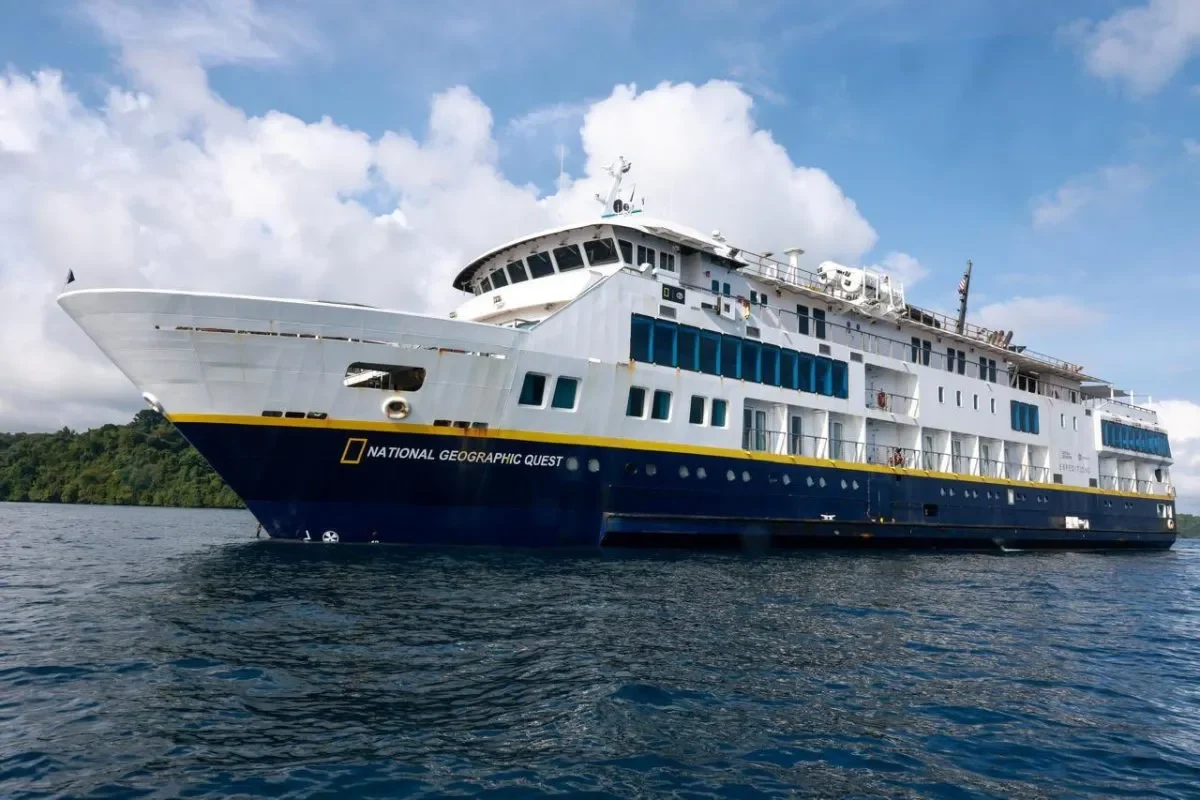
A National Geographic expedition vessel carrying 80 passengers arrived at Coiba National Park this week, capping a three-day journey through the Gulf of Panama and the Azuero Peninsula focused on biodiversity and marine conservation. The National Geographic Quest docked at the protected Pacific site where travelers explored trails, beaches, and learned about the region’s ecological significance.
Panama’s Environment Minister Juan Carlos Navarro welcomed the group and emphasized the park’s global importance. The expedition, led by Panamanian naturalist Richard Cahill, combined tourism with scientific education about one of Central America’s most biodiverse marine reserves.
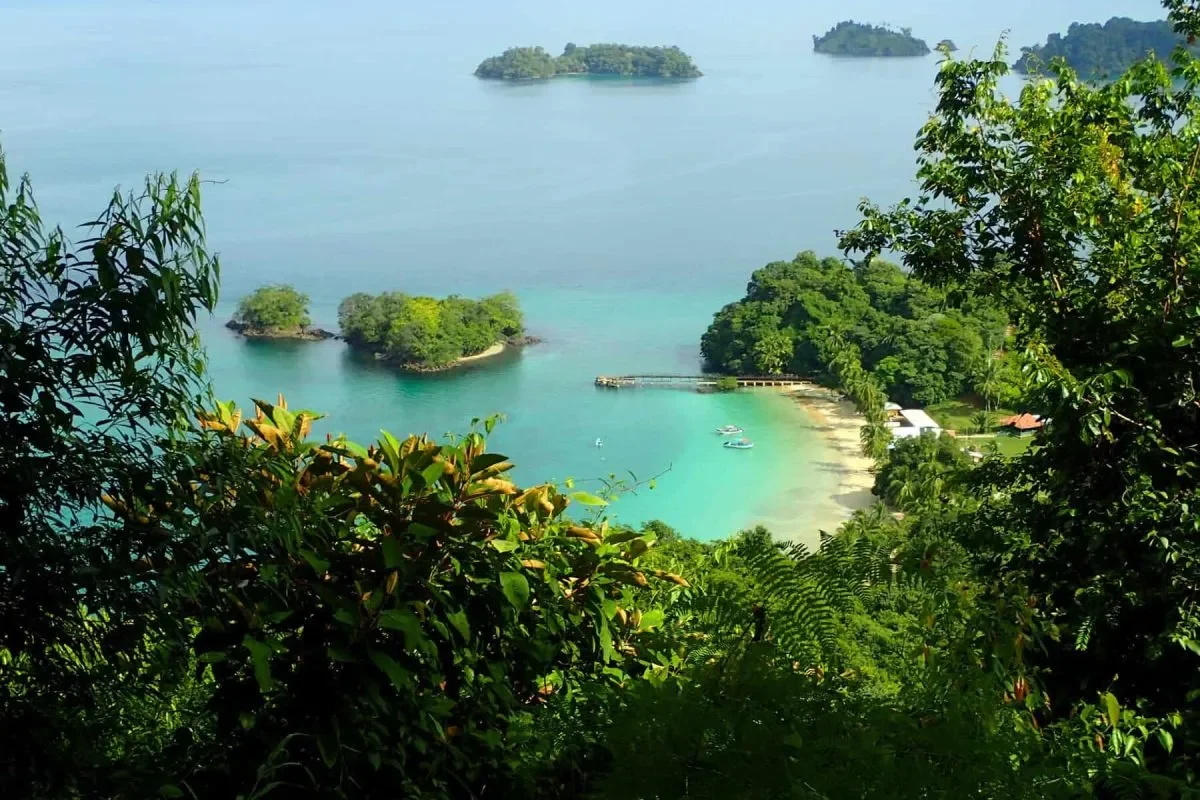
Coiba National Park and Its UNESCO World Heritage Status
Coiba and its Special Marine Protection Zone hold a place on UNESCO’s World Heritage list, a designation that reflects the area’s exceptional biodiversity. The park spans at least 503 square kilometers of island surface and includes more than 37 smaller islands. Its protected marine territory exceeds 270,000 hectares, making it one of the largest marine reserves in the Eastern Tropical Pacific.
Navarro framed the visit as part of Panama’s broader conservation commitment. “Quienes visitan Coiba descubren uno de los mayores tesoros naturales de América y comprenden por qué Panamá ha asumido el compromiso de proteger este patrimonio para las futuras generaciones,” he said. The minister’s remarks underscored the government’s push to position Coiba as a premier destination for ecotourism and scientific research.
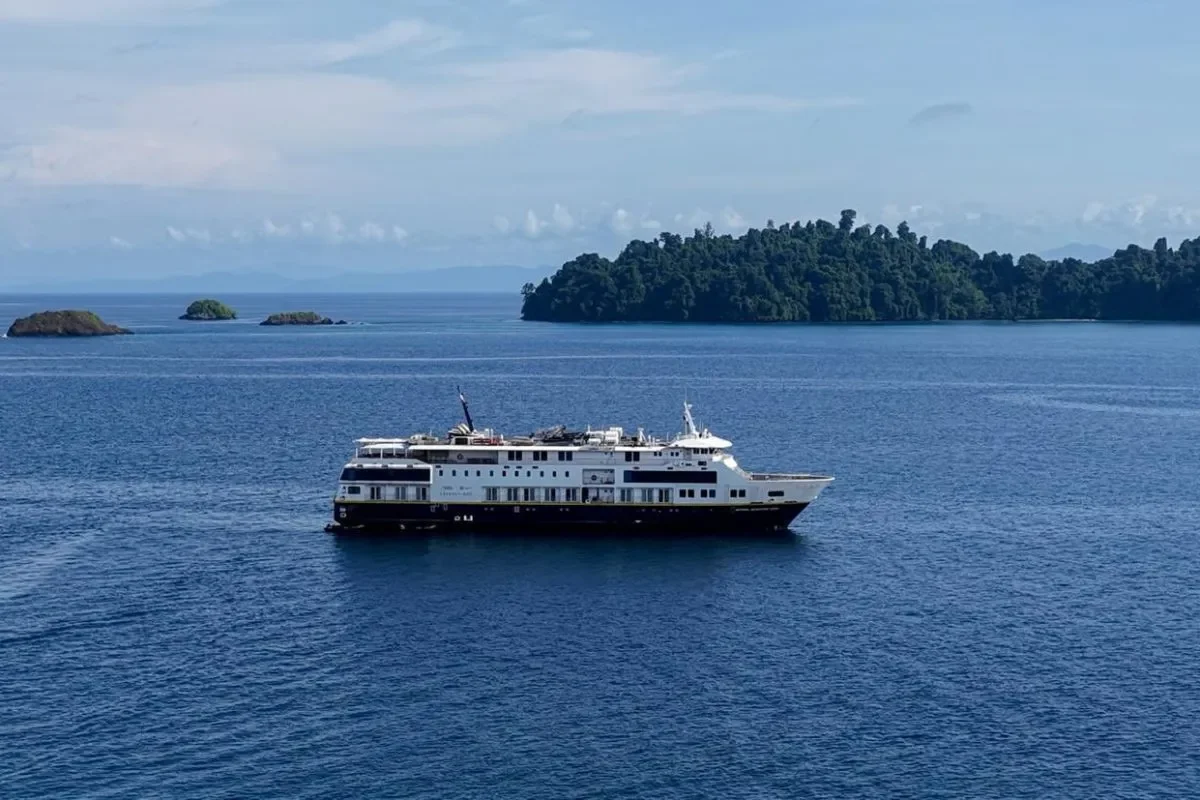
Biodiversity Data Highlights the Park’s Ecological Value
Scientific surveys in Coiba’s waters have documented between 760 and 814 fish species and 33 shark and ray species, including hammerhead and whale sharks. Researchers have also identified between 20 and 23 cetacean species, with humpback whales among the most notable. These figures place Coiba among the most species-rich marine environments in the Americas.
During their stay, passengers visited Gambute Beach and hiked the Gambute and Los Monos trails. Park rangers from Panama’s Environment Ministry guided the group and enforced protected area regulations. Yaremis Ábrego, the park’s director, said such expeditions promote environmental education and responsible tourism. Travelers observed scarlet macaws, green parrots, white-faced capuchin monkeys, and howler monkeys in their natural habitats.
El Parque Nacional Coiba recibió la visita del crucero de expedición National Geographic Quest, considerado una de las embarcaciones más importantes del mundo para la exploración de destinos naturales de alto valor ecológico. La travesía reunió a 80 pasajeros que vivieron una experiencia de inmersión en la naturaleza, educación ambiental y aprendizaje sobre biología marina en algunos de los ecosistemas más importantes del Pacífico panameño.
— ECOtvPanamá (@EcoPanamaTV) November 20, 2026
Expedition Leadership and Regional Connectivity
Richard Cahill, a Panamanian naturalist with over 35 years of experience navigating the continent’s waters, led the National Geographic expedition. Cahill noted that first-time visitors are consistently struck by Coiba’s pristine forests and clear beaches. “La mayoría de las personas que vienen a bordo nunca han visto Coiba,” he said. “Les hablan de ella, pero cuando llegan y observan las playas cristalinas y, sobre todo, el bosque prístino, quedan impresionados.”
Cahill stressed that the voyage goes beyond conventional tourism. Passengers receive scientific information and learn about biodiversity throughout the trip, effectively becoming biology students during the expedition. He highlighted Coiba’s ecological connections to the Galápagos Islands, Cocos Island, and Malpelo, all part of the Eastern Tropical Pacific Marine Corridor. This network of protected areas supports migratory species and shared oceanographic processes.
The National Geographic Quest, with capacity for 100 passengers in 50 exterior cabins, features a shallow draft design that allows access to coastal zones larger vessels cannot reach. Expedition cruises to Coiba have become established over recent years, driven by the park’s tropical forests, coral reefs, and research opportunities. The visit also included a stop at the park’s Visitor Center, where passengers reviewed exhibits on Coiba’s history, geography, and role in regional marine conservation.