


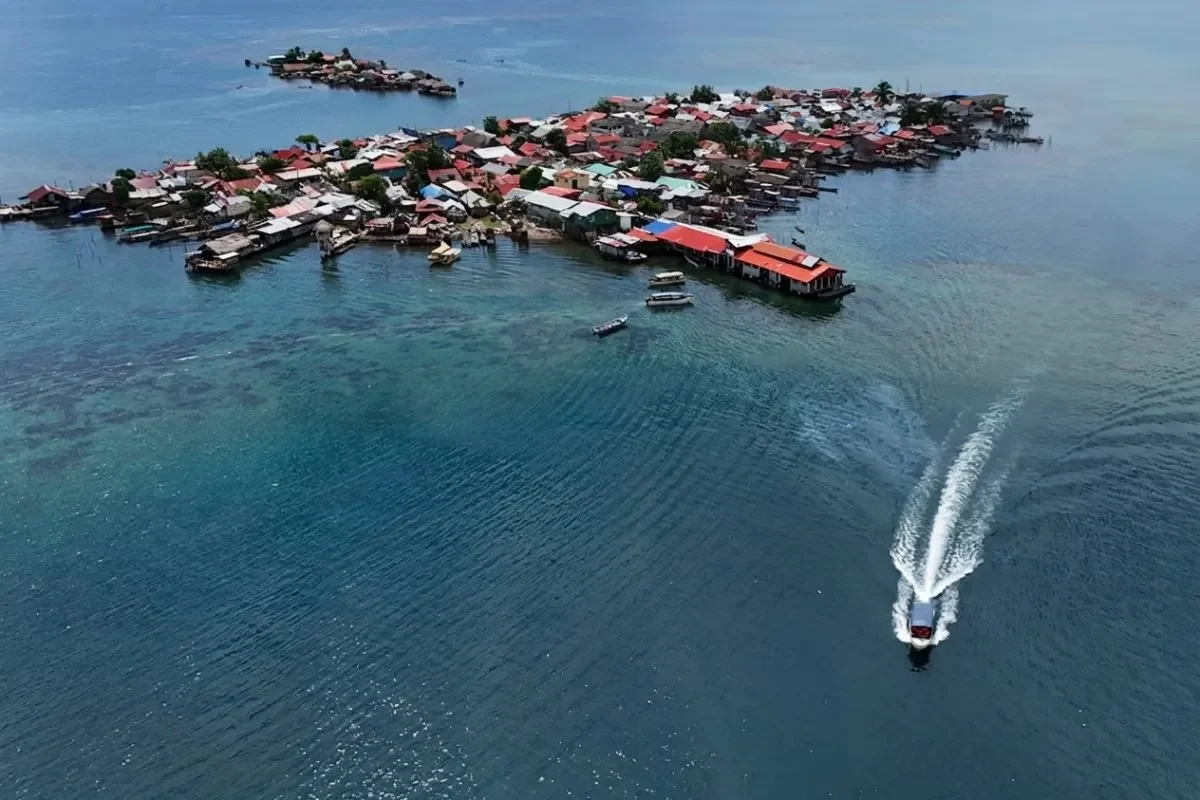
Panama will present a national protocol for relocating communities displaced by climate change at the COP31 summit in Turkey, positioning itself as a regional leader on a crisis that has already forced one indigenous community from its ancestral island home. The delegation arrives with a stark warning that three of every four decisions adopted between 2022 and 2025 by UN climate bodies dealt with procedures rather than concrete action.
The Central American nation currently chairs the Independent Association of Latin America and the Caribbean (AILAC), a bloc that includes Chile, Colombia, Costa Rica, Guatemala, Honduras, and Peru. That leadership role gives Panama an amplified platform to push for faster negotiations and enforceable protections for vulnerable populations facing forced relocation due to rising seas and extreme weather.
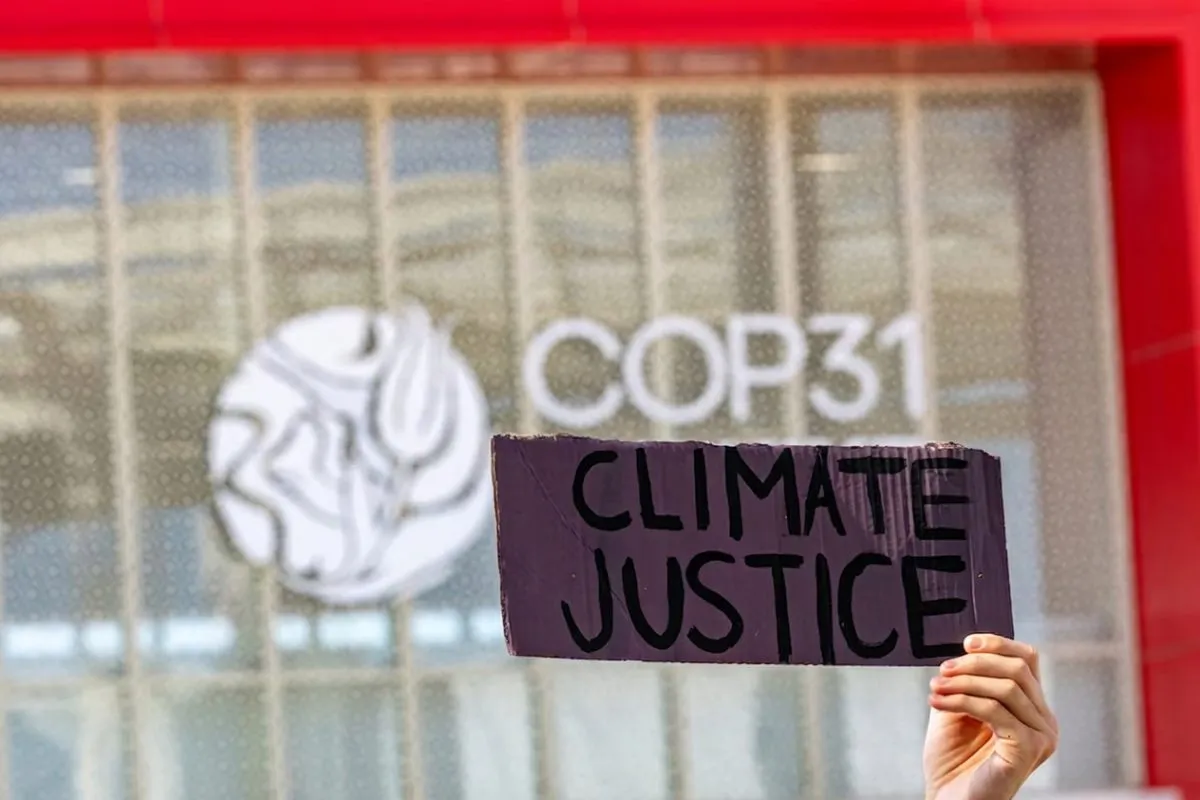
Panama Climate Displacement Protocol Rooted in Real Crisis
The protocol emerges directly from Panama’s own experience. In June 2024, the Guna people of Gardi Sugdub island began relocating to the mainland Caribbean coast as sea level rise made their home uninhabitable. The move became a key cited examples of climate displacement in the Western Hemisphere, documented by international media and humanitarian organizations.
Now Panamanian officials say any future relocations must be planned with affected communities, not for them. The delegation will demand recognition of free, prior, and informed consent for indigenous peoples in all decisions affecting their territories. This principle, long championed by indigenous rights advocates, would become binding under Panama’s proposed framework.
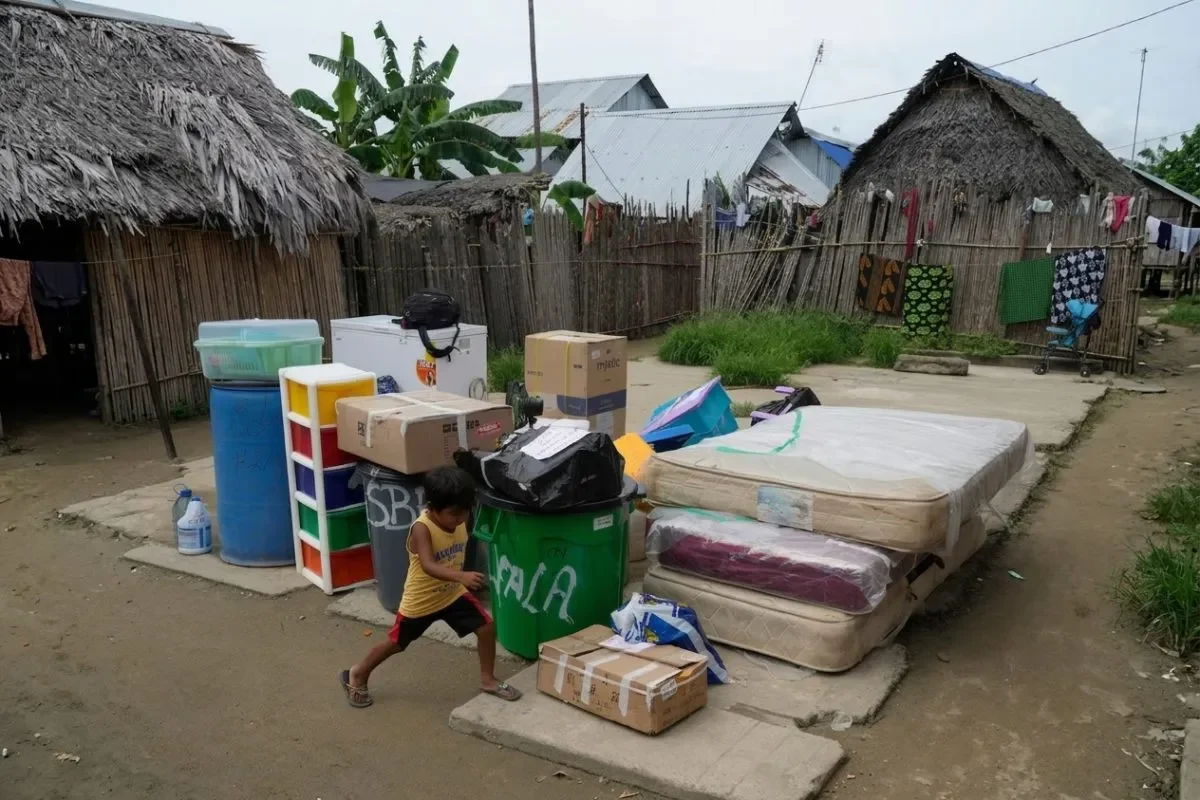
The protocol also addresses practical concerns that emerged during the Gardi Sugdub relocation. Civil protection officials coordinated the physical movement of families and belongings, but gaps remained in housing, education access, and cultural preservation. Panama’s new approach aims to close those gaps before the next displacement occurs.
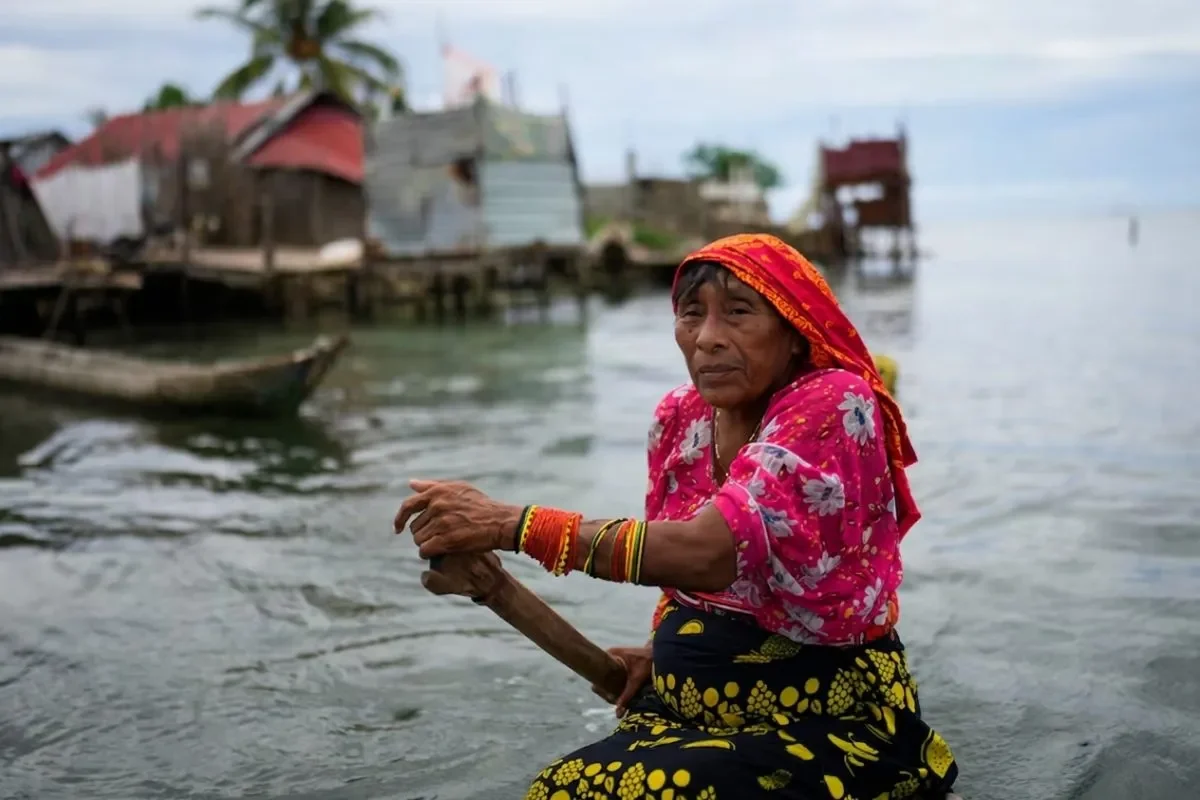
Indigenous Negotiators Join Official Delegation
Unlike many regional counterparts, Panama’s COP31 delegation includes indigenous negotiators with direct experience in climate adaptation. Their participation signals a shift from token consultation to genuine representation at international forums where decisions affecting their communities are made.
External funding from international cooperation agencies and allied organizations covers the full delegation’s expenses. Panamanian officials emphasized that the country’s COP31 participation imposes no cost on the national treasury, a point of political sensitivity given ongoing budget debates at home.
The delegation will also push for concrete protection measures for indigenous peoples living in voluntary isolation. Recognition of these groups was included in the just transition decision adopted at the Belém COP, but Panama argues that paper recognition means little without enforcement mechanisms and dedicated funding.
Regional Reform and Negotiation Efficiency
Panama’s agenda extends beyond displacement to the mechanics of climate diplomacy itself. As AILAC president, the country has submitted three packages of proposals during efficiency consultations convened by the COP31 presidency. The goal is to reduce procedural bottlenecks that consume negotiating time while delaying action on mitigation and adaptation.
The bloc coordinates positions on shared challenges including biodiversity loss and ecosystem degradation. Panama’s dual role as AILAC president and host of recent climate discussions gives it unusual leverage to broker compromises between larger economies and smaller island nations facing existential threats.
Officials frame the efficiency push as a direct response to the procedural stagnation documented in UN climate bodies. If successful, the reforms would shift negotiating time toward binding commitments on emissions reductions, climate finance, and support for communities already experiencing displacement.
The Gardi Sugdub relocation remains the visible symbol of what’s at stake. Families who lived for generations on a low-lying Caribbean island now navigate life on the mainland, their experience informing Panama’s insistence that climate action move from procedural debate to measurable outcomes. The protocol presented at COP31 represents an attempt to ensure no community faces such upheaval without legal protections, adequate resources, and genuine participation in decisions about their future.