


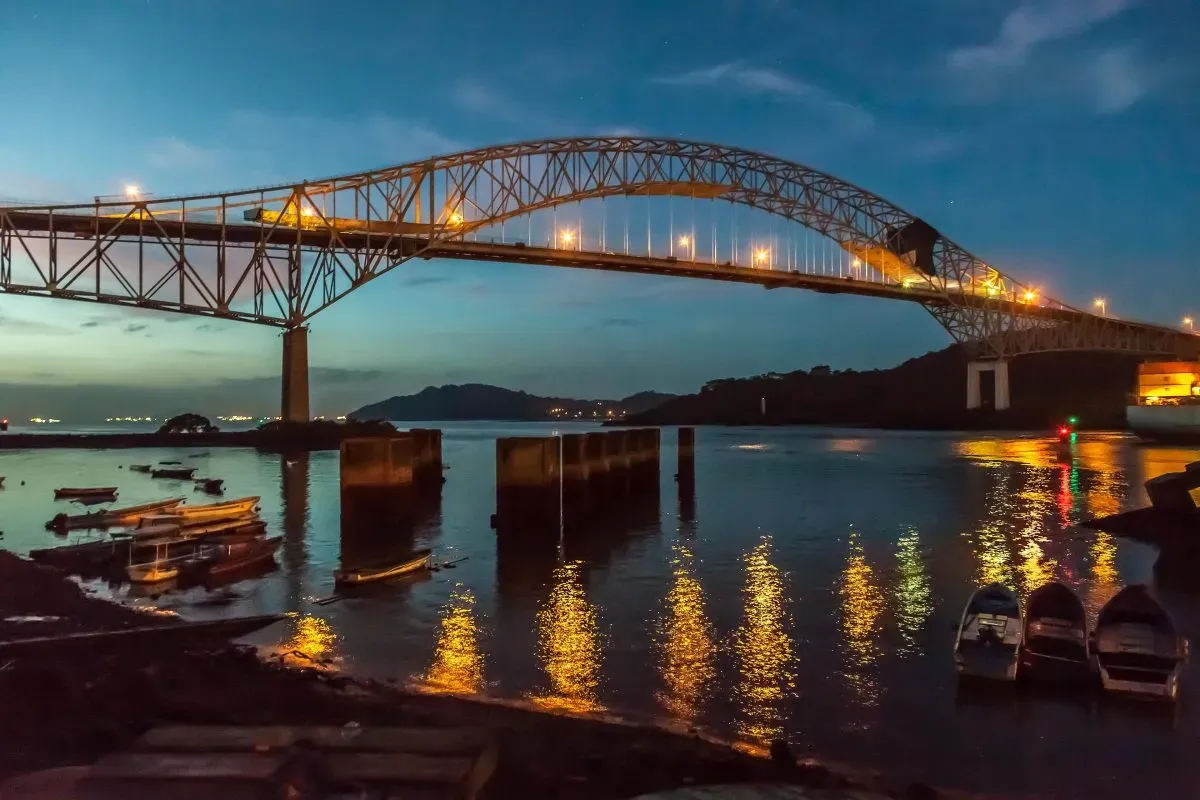
Panama’s Ministry of Public Works (MOP) confirmed that comprehensive Americas bridge repair will not proceed until the Fourth Bridge over the Panama Canal becomes operational, a decision driven by the 60,000 vehicles that cross the aging structure daily. Public Works Minister José Luis Andrade said the bridge itself remains structurally sound, but acknowledged the concrete road surface has exceeded its service life and needs deep intervention.
The announcement comes months after an April 6 fire forced a 22-hour closure of the bridge, paralyzing traffic across the capital and exposing the vulnerability of a crossing that opened in 1962. Officials said a full shutdown for major rehabilitation is impossible without a functional alternative route.
Three-Phase Americas Bridge Repair Strategy
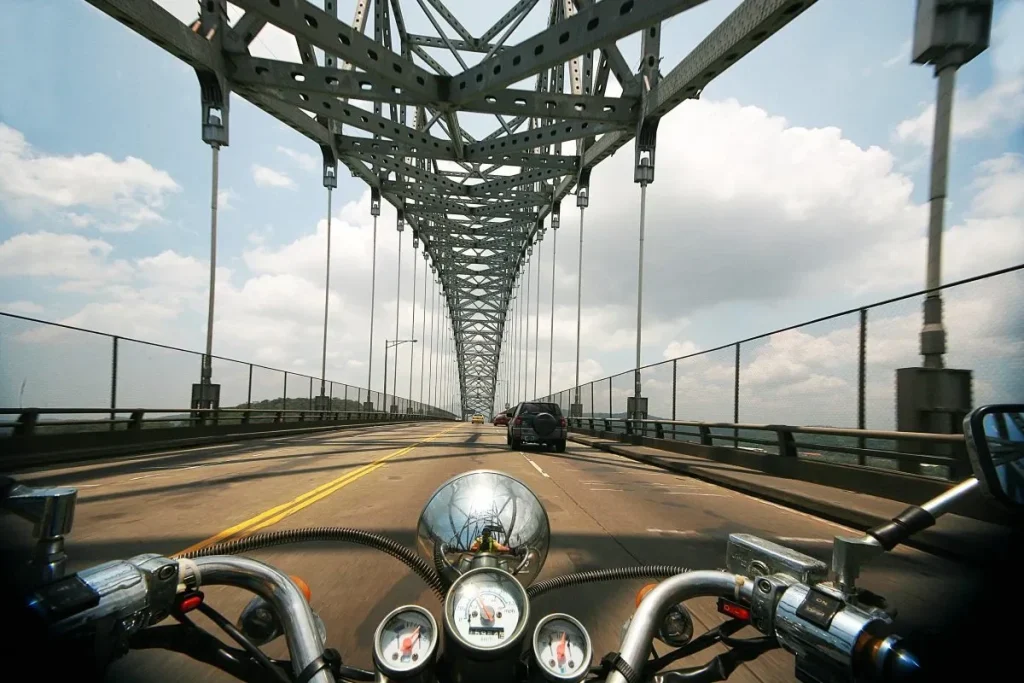
The MOP has divided the immediate work into three distinct phases, starting with cleanup and repainting of areas damaged by the fire. Edwin Lewis, national director of Studies and Designs at MOP, said the first phase will go to tender within weeks and includes pressure washing, surface protection, and repainting of affected structural elements.
The second phase targets reinforcement of heat-damaged components near the fire site, including the installation of carbon fiber wraps. The third and most extensive phase depends on a consultancy report from the Panama Canal Authority, which will guide major interventions slated for 2028 or 2029. That timeline aligns with the expected completion window for the Fourth Bridge.
Andrade emphasized that while the structure is not at risk of failure, the concrete driving surface demands substantial work. Until then, the ministry plans to continue routine maintenance to keep the crossing safe for the approximately 60,000 daily vehicles.
Criminal Complaint and Legal Fallout from Bridge Fire
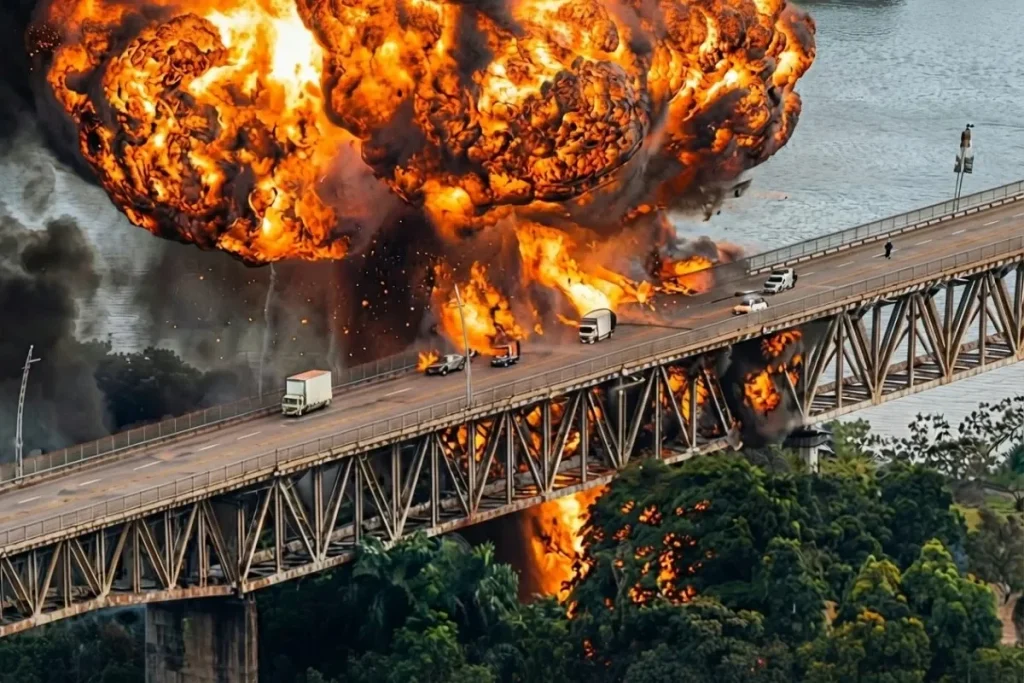
Panamanian authorities filed a criminal complaint on September 16 against Panama Oil Terminals, S.A. (POTSA) for alleged crimes against economic patrimony. The claim totals $3,261,572.93 in damages linked to the April fire, which started when tanker trucks exploded near one of the bridge pillars. The case is currently under review by the Circuit Prosecutor’s Office for Homicide and Femicide in the metropolitan area.
The fire began around 4:00 p.m. on April 6 and forced the complete closure of the bridge until 3:00 p.m. the following day. The incident caused severe traffic disruptions throughout Panama City and renewed public scrutiny of the bridge’s resilience.
Traffic Restrictions and Long-Term Infrastructure Pressure
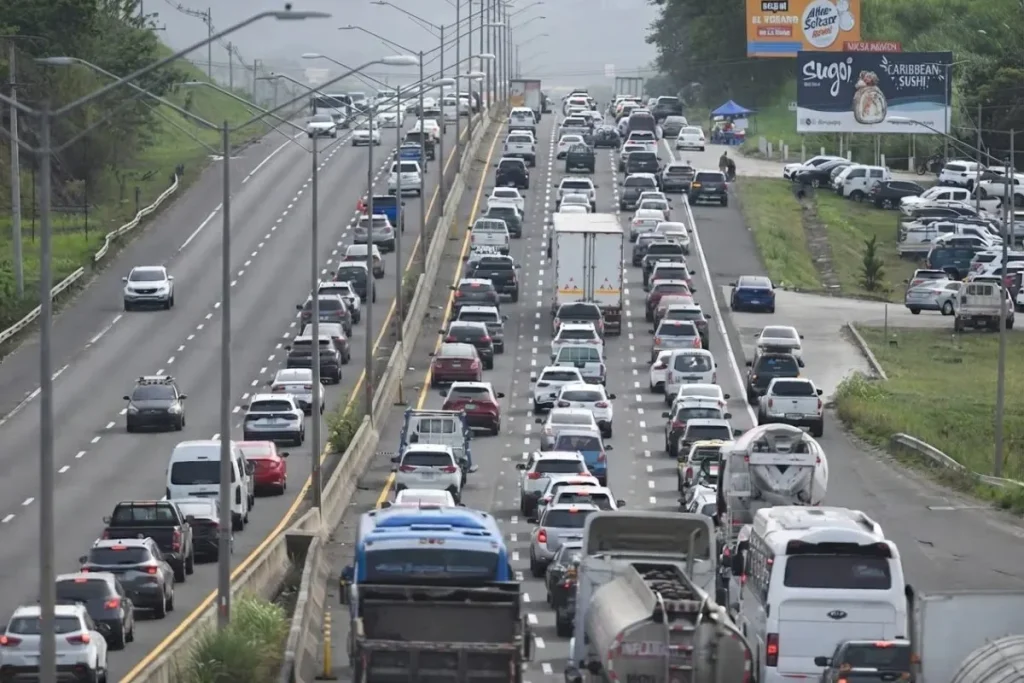
The ministry maintains a ban on heavy trucks crossing the Americas Bridge, a restriction in place for roughly 15 years but now enforced with stricter penalties. Commercial trucks and large buses must use the Centennial Bridge instead. Officials said sanctions have been applied to drivers attempting to violate the restriction.
Over the past two decades, Panama has invested $111.9 million in maintenance and rehabilitation of the bridge. Those figures underscore the financial weight of keeping the crossing operational while awaiting the Fourth Bridge, which remains under construction and was recently subject to a work stoppage order by the Ministry of Labor following a workplace accident.
The Fourth Bridge project is positioned as the long-term solution to relieve pressure on both the Americas Bridge and the Centennial Bridge. Until it opens, the MOP will continue phased repairs and enforcement of load restrictions to preserve the structural integrity of a crossing that has served Panama for more than six decades.