


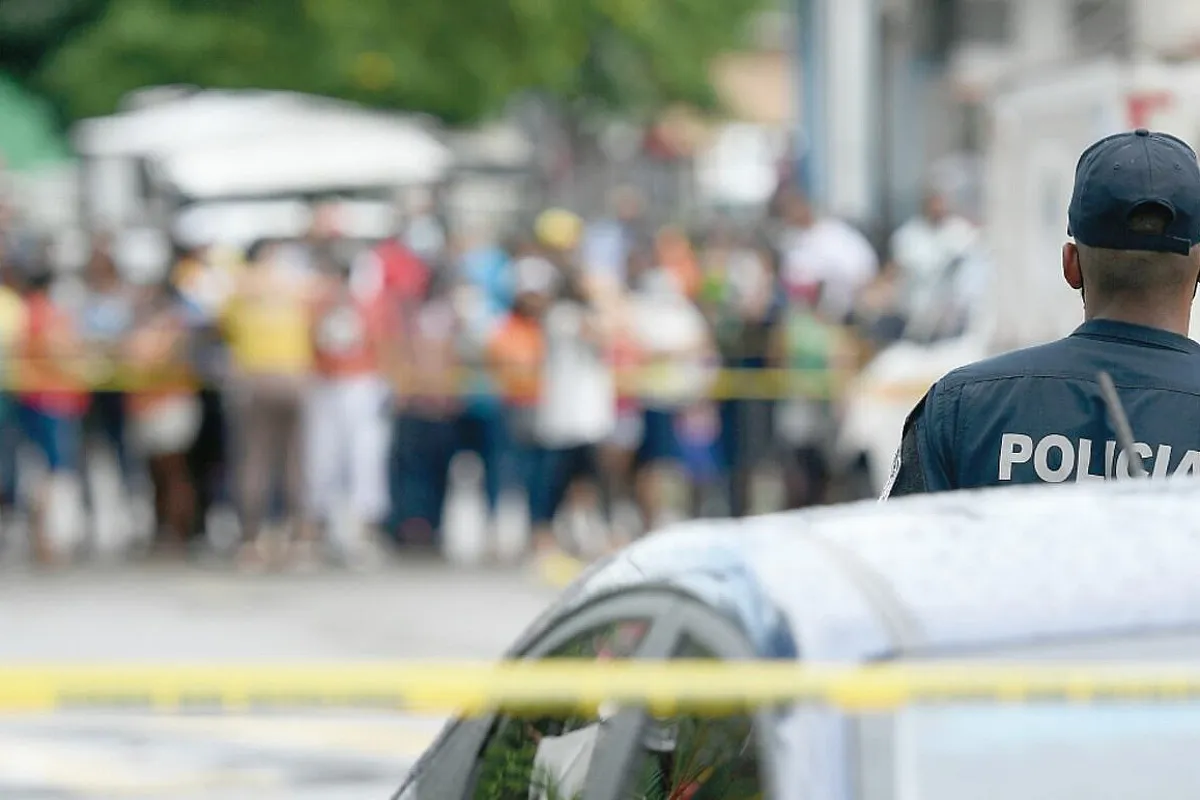
Panama recorded 423 homicides through September 13, 2026, a marginal increase of ten cases compared to the same period last year, but the data reveals a sharp rise in gang-violence that contrasts with the country’s broader reputation as one of Latin America’s safer destinations. Firearms were used in 356 of the 415 intentional killings documented by the National Integrated Criminal Statistics System (SIEC).
The most striking shift came in homicides attributed to gang activity, which jumped from 38 cases in 2025 to 68 this year, a 79 percent spike. Officials confirmed the figures in the SIEC’s weekly executive summary, which tracks intentional and unintentional homicides across all provinces and districts.

Gang-Violence Concentrates in Capital District and Colón
Panama district led all jurisdictions with 183 intentional homicides, followed by San Miguelito with 74 and Colón with 68. While Colón reduced its total by 15 percent compared to 2025, it still posted the highest provincial rate in the country at 23.1 homicides per 100,000 residents. Panama province followed with a rate of 15.7 per 100,000.
The national homicide rate stood at 8.9 per 100,000 inhabitants, a figure that remains below many regional neighbors. For context, several Central American and Caribbean nations consistently report rates above 20 or 30 per 100,000, placing Panama in a comparatively moderate category despite localized spikes. The SIEC classifies both Panama province and Colón at the moderate rate level.
Within the capital, specific corridors drove the numbers. Pedregal recorded 16 homicides, 24 de Diciembre had 15, and Tocumen tallied ten. In the northern sector, Chilibre accumulated 18 cases and Ernesto Córdoba Campos registered 15. Ancón led the western sector with 12, followed by Calidonia with seven and Río Abajo with six.

Panama Homicides by District: Intentional Totals and Rates
| District | Intentional Homicides | Rate per 100,000 |
|---|---|---|
| Panama | 183 | 15.7 |
| San Miguelito | 74 | — |
| Colón | 68 | 23.1 |
Colón posted the highest provincial rate in the country at 23.1 homicides per 100,000 residents, despite having fewer total homicides than Panama district. Panama province followed with a rate of 15.7 per 100,000.
Source: see article above
Criminal Disputes Remain Leading Motive Despite Decline
Criminal disputes, known locally as rencillas delincuenciales, remained the most frequent motive with 144 cases, though that figure declined from 163 during the comparable 2025 period. Fights increased from 22 to 29 homicides, and femicides rose from ten to 18. Cases still under investigation totaled 52, while collateral damage accounted for 24 victims.
Several categories showed notable decreases. Score-settling homicides dropped from 33 to 14 cases, and drug-killings fell from 16 to eight. Robbery-deaths and personal disputes each increased by one case. The report also attributed four homicides to domestic violence, one more than the previous year, along with four cases classified as evasion.
Firearms Dominate as Territorial Data Shows Uneven Distribution
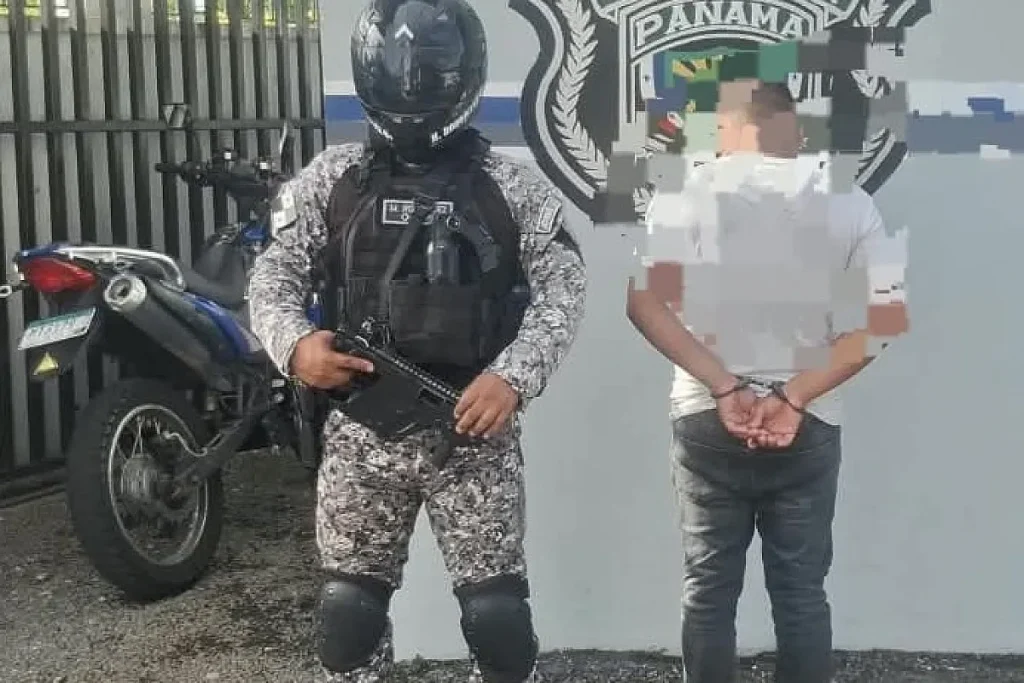
Guns were the weapon of choice in 356 intentional homicides, with knives used in 30 cases and other means in 29. The figures represent increases of two cases each for firearms and knives compared to 2025, plus three additional cases in the other means category.
Beyond the capital corridor, Colón’s most affected districts included Cristóbal Este with 16 homicides, Cativá with 13, and Barrio Norte with nine. In San Miguelito, Belisario Frías led with 21 cases, followed by Omar Torrijos with 15 and Arnulfo Arias Madrid with 14. Chiriquí province saw a dramatic 156 percent increase, rising from nine to 23 cases, while Panamá Oeste recorded 34.
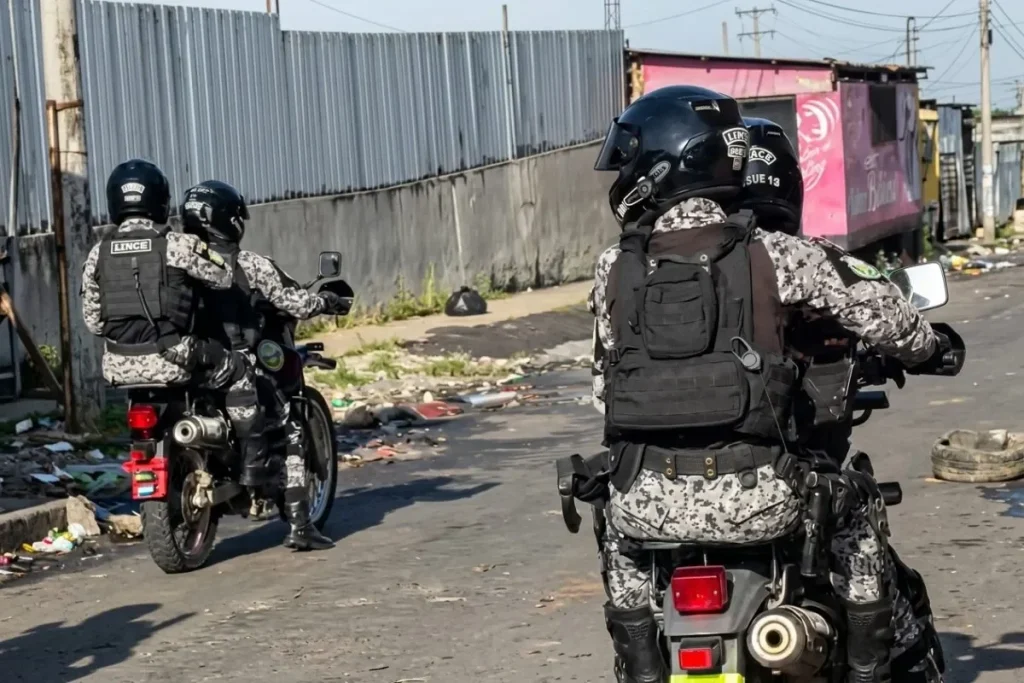
The territorial breakdown underscores that provincial totals alone obscure where violence concentrates. The SIEC report distinguishes between districts within each province, showing that specific neighborhoods bear disproportionate burdens. This pattern holds true across San Miguelito, Colón, and the various sectors of Panama City, where certain corridors experience far higher incident rates than the national average would suggest.
Panama’s overall homicide rate remains below the threshold that international organizations typically associate with crisis-level violence, and the country continues to rank among the safer nations in Central America. But the 79 percent rise in gang-killings signals a trend that law enforcement agencies will likely monitor closely through the final quarter of 2026.