


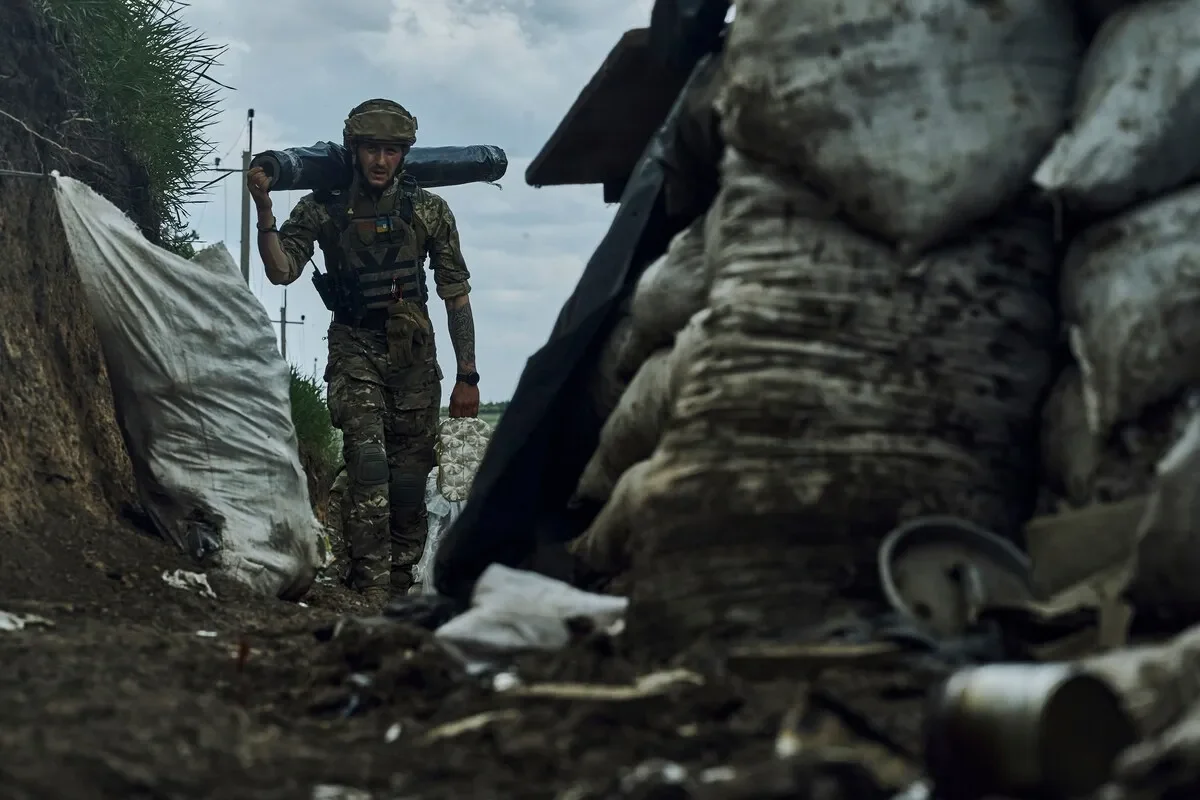
Panamanian authorities have apprehended three people suspected of running a Panama human trafficking operation that recruited citizens for military service in Russia‘s armed conflict. The arrests took place during coordinated raids on a hostel and a restaurant in the 24 de Diciembre district, according to the Attorney General’s Office (PGN).
The operation, dubbed “Sovereign Rescue,” involved the Second Superior Prosecutor’s Office Against Organized Crime and the National Police’s Judicial Investigation Directorate. A judge of guarantees authorized the searches, which yielded documents and technological equipment tied to the alleged recruitment network.
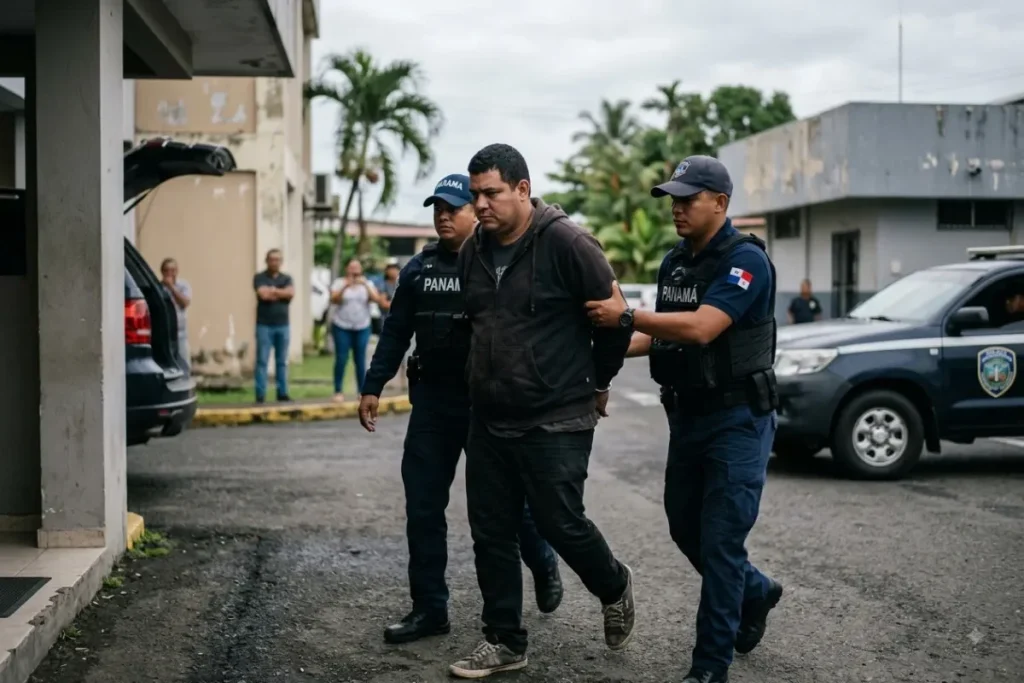
Panama Human Trafficking Investigation Leads to Three Detentions
The detained individuals include one woman and two men, all facing charges of crimes against humanity under the human trafficking statute. Prosecutors say the suspects participated in capturing and recruiting Panamanian nationals for combat roles abroad. The three will appear before the Guarantees Courts, where fiscal authorities will formalize charges and request detention measures.
The case first opened in June 2026, marking months of investigative work before the raids. Officials have not disclosed how many Panamanian citizens may have been recruited or whether any are currently in Russia. The PGN did not release the identities of those arrested.
Recruitment Methods and Evidence Seized
Investigators focused on two commercial locations in 24 de Diciembre, a populated district east of Panama City. The hostel and restaurant allegedly served as fronts for identifying and processing potential recruits. Equipment recovered during the raids includes digital devices that prosecutors believe contain communications and financial records linking the suspects to the scheme.
The use of businesses to mask trafficking operations follows patterns seen in other regional cases. Panama’s strategic position as a transit hub has historically made it vulnerable to organized criminal networks, though military recruitment for foreign conflicts represents a newer threat vector for the country.
Legal Framework and Regional Implications
Panama’s criminal code classifies human trafficking for forced military service as a crime against humanity, carrying severe penalties. The involvement of the Second Superior Prosecutor’s Office signals the case’s high priority given national security implications. Authorities have not indicated whether the suspects have ties to Russian government entities or private military contractors.
The investigation continues as prosecutors analyze seized evidence and trace the network’s operational scope. Regional counterparts in Central America have reported similar recruitment attempts targeting vulnerable populations with promises of payment or citizenship. Panama’s response could establish precedent for how small nations counter foreign military recruitment schemes operating within their borders.