


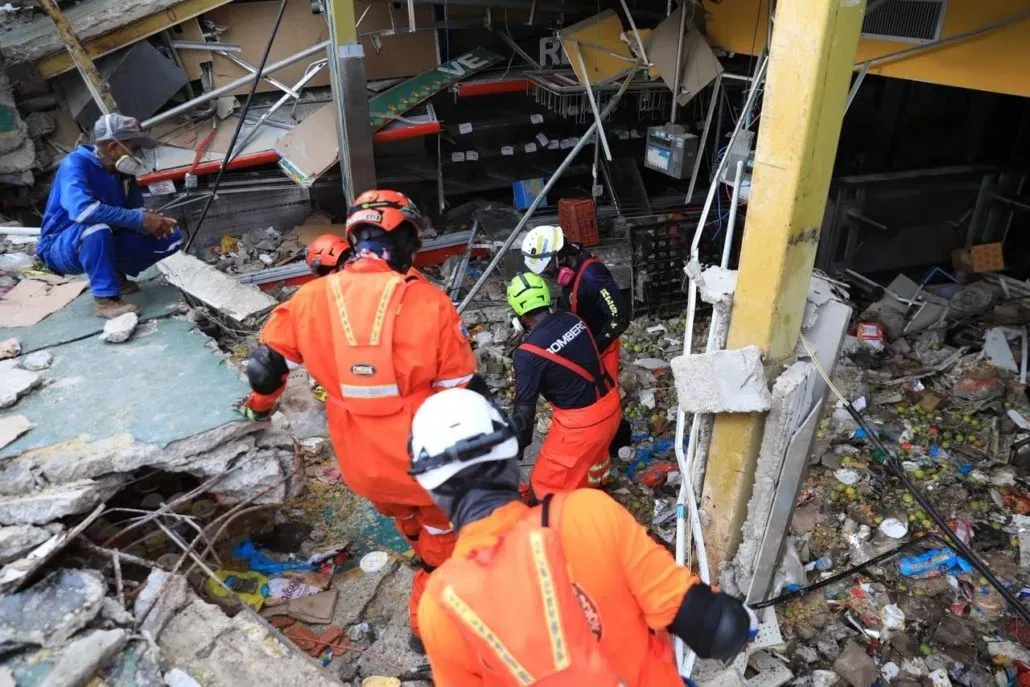
A nationwide earthquake simulation will test Panama disaster response capabilities across all 10 provinces and every corregimiento on October 12, with emergency officials placing special emphasis on high-rise building evacuations in the capital’s dense urban core.
The exercise begins at 10:00 a.m. and will involve public and private institutions, schools, hospitals, residential communities, and commercial buildings. Reyes Jiménez, director of the Academy of the National Civil Protection System (Sinaproc), said the drill’s core purpose is evaluating evacuation times and institutional coordination under realistic earthquake conditions.
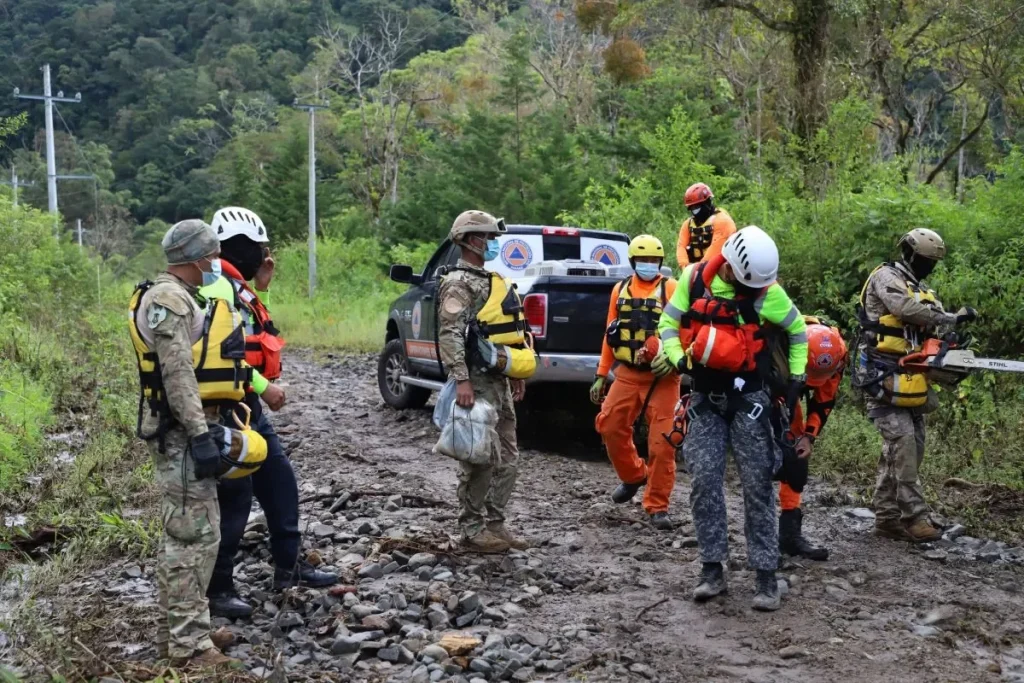
High-Rise Evacuation Protocols Under Scrutiny
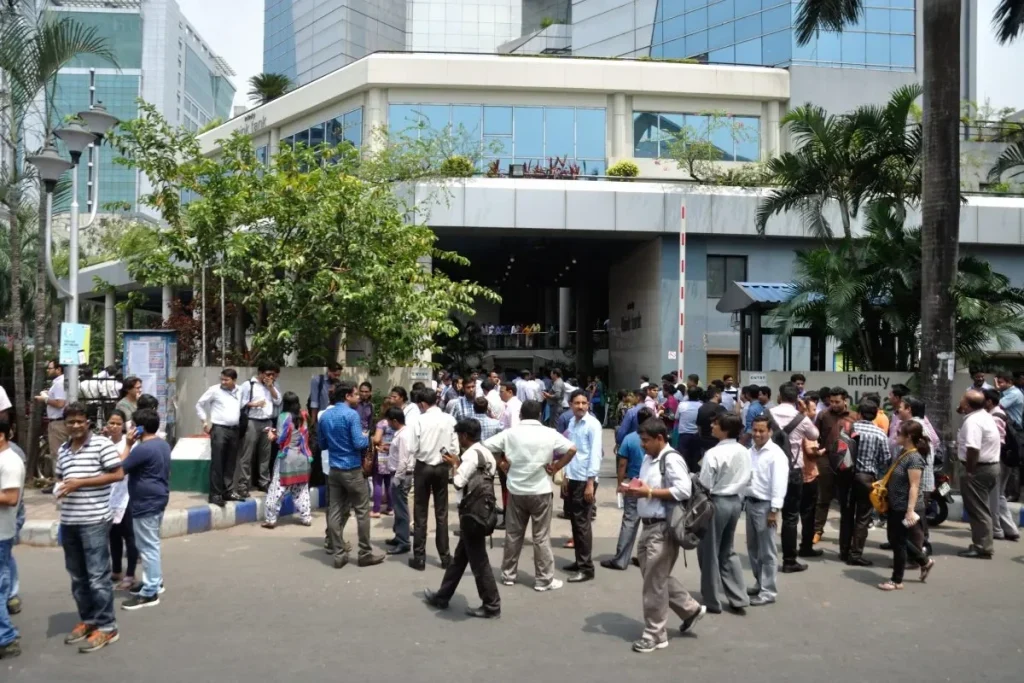
Panama City’s concentration of tall structures makes vertical evacuation a central concern for emergency planners. Jiménez directly addressed dangerous misinformation circulating on social media that advises people to climb to rooftops during seismic events.
“It is faster to go down after the drill, after a real event, because our frame of reference is Japan. Staying calm does not mean staying still, it means taking logical common-sense measures to support and exit with people with disabilities and pregnant women to a meeting point away from the structure” [Translated from Spanish]
The director stressed that residents should know their building’s evacuation routes and designated assembly points before an emergency occurs. The drill will test how quickly occupants can reach these safe zones while accounting for vulnerable populations, including elderly residents and people with mobility limitations.
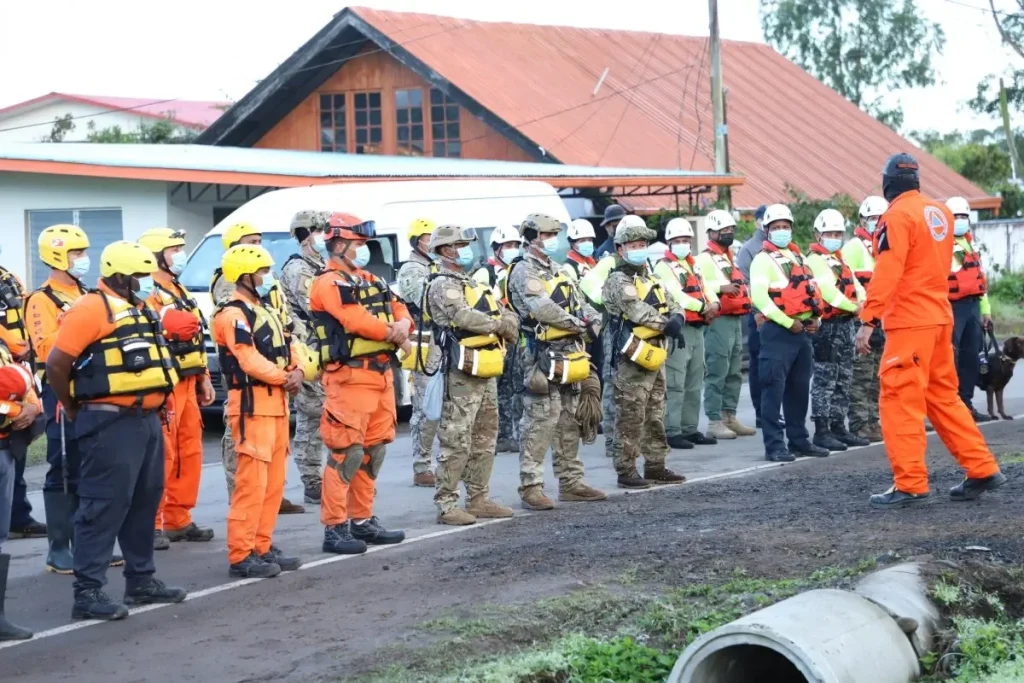
Institutional Coordination and Data Collection
The Ministry of Health (Minsa), Social Security Fund (CSS), and Ministry of Education (Meduca) will participate through their respective facilities and regional networks. Meduca will activate all 16 educational regions, while Minsa will run exercises at its healthcare installations.
The Emergency and Disaster Operations Center will deploy a QR code system to register participant numbers and evacuation times, creating a data baseline for identifying bottlenecks and reducing panic-driven responses during actual emergencies. Local governments and community boards will support residential evacuation efforts, particularly for residents requiring assistance.
Beyond Evacuation Test and Secondary Hazards
Jiménez reminded the public that earthquakes trigger cascading threats, including fires and structural collapses. Preparation must account for these compound scenarios, not just the initial shaking.
He recommended that families maintain an emergency backpack with essential supplies, plus water reserves and canned food for several days. Residents should also understand the structural condition of their homes and the available evacuation routes in their neighborhoods.
Panama’s structural regulations follow US standards and undergo periodic review, Jiménez noted, though building safety assessment falls under engineering and architecture authorities rather than Sinaproc’s direct mandate. A preparatory walk from the Reina Torres de Araúz Museum to the Metropolitan Cathedral on October 11 will draw public attention to drill participation and evacuation awareness.
The October 12 exercise represents the most comprehensive test of Panama disaster response coordination in recent years, measuring not just individual building evacuations but the interconnected readiness of health systems, schools, and neighborhood networks across the entire country.