


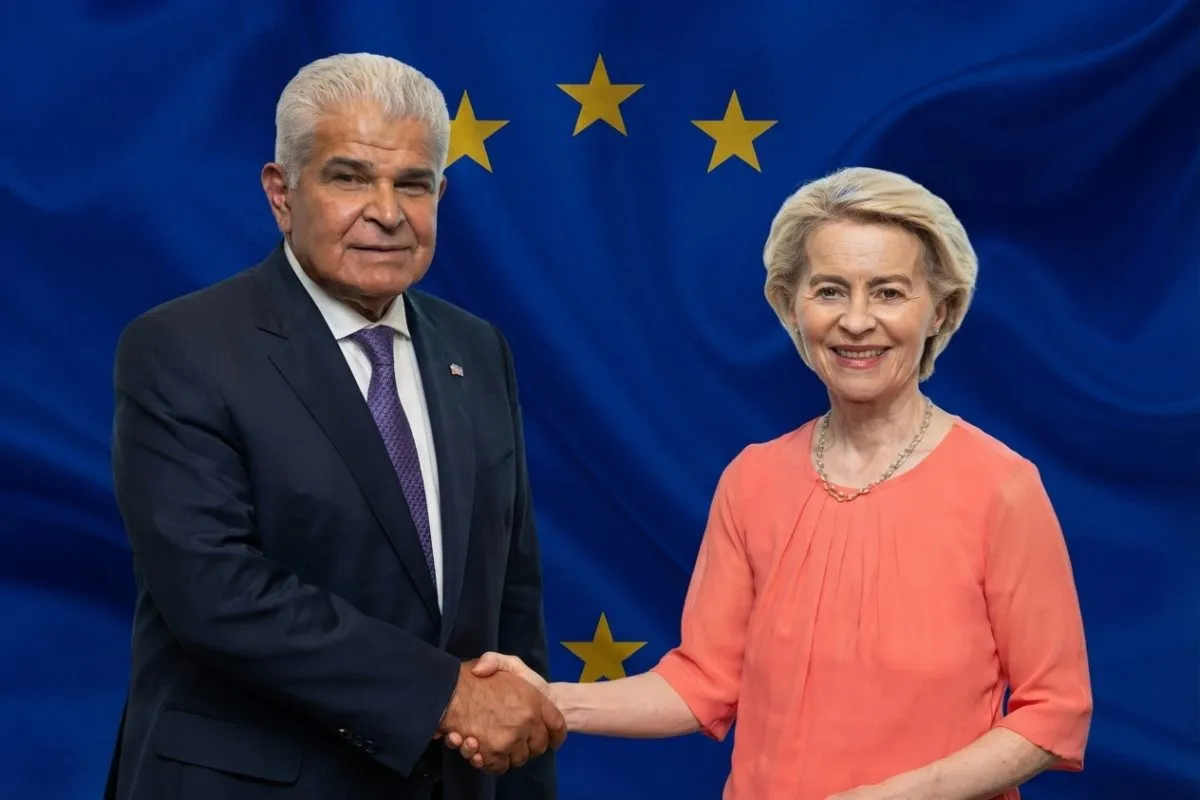
European Commission President Ursula von der Leyen publicly acknowledged Panama’s progress toward removal from the Panama tax list during a bilateral meeting with President José Raúl Mulino at the United Nations General Assembly in New York on Wednesday. The endorsement marks a significant diplomatic victory for Panama as it works to shift from Annex 1 to Annex 2 of the European Union‘s fiscal monitoring framework.
Von der Leyen specifically cited Panama’s approval of the Economic Substance Law and its accompanying regulations as key milestones. The meeting signals growing confidence from Brussels in Panama’s commitment to international tax transparency standards.
Panama Tax List Progress and Economic Substance Law
Panama’s inclusion on the EU’s Annex 1 list has long been a point of concern for the country’s financial services sector. The recent passage of the Economic Substance Law addresses core EU requirements regarding tax governance and corporate transparency. Von der Leyen’s remarks suggest the legal framework now aligns with European expectations.
The law requires entities conducting certain activities in Panama to demonstrate real economic presence, a critical factor in combating profit shifting and base erosion. Its reglamentación, or implementing rules, provides the operational details that EU officials had been awaiting.
Energy, Transport, and Canal Expansion Projects
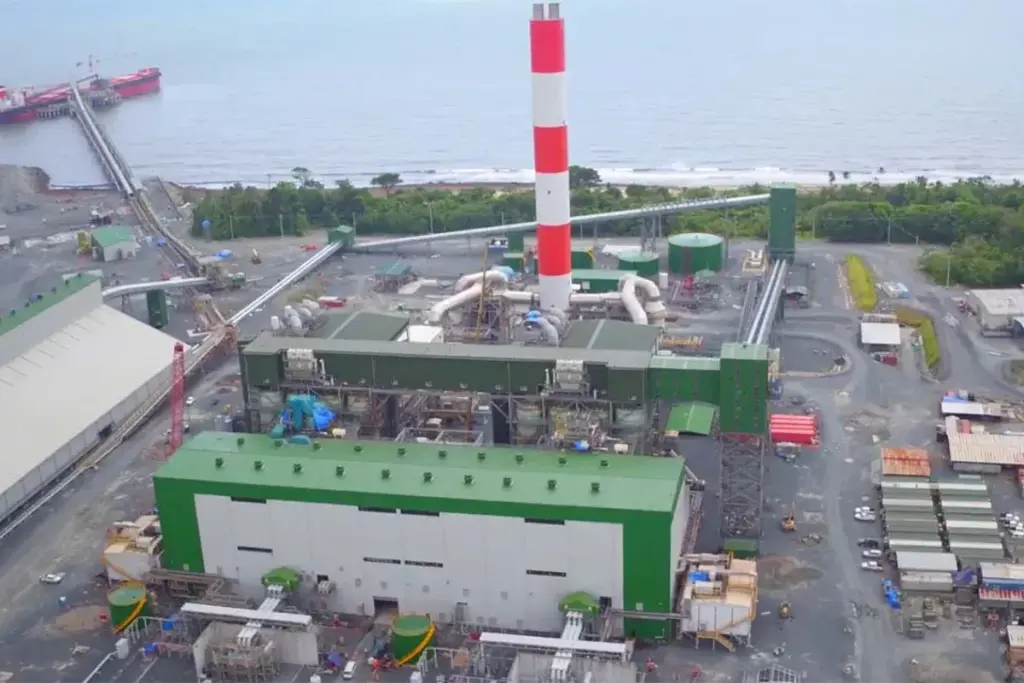
Beyond tax matters, the leaders discussed sustainable energy and transport initiatives under the EU’s Global Gateway strategy. A standout project involves modernizing Panama’s electrical grid through financing from the European Investment Bank. ETESA, the state transmission company, stands to benefit from upgraded infrastructure that supports renewable energy integration.
Canal Affairs Minister José Ramón Icaza presented updates on the interoceanic route’s expansion portfolio. The projects include the Río Indio reservoir, two new ports, a logistics corridor, and a natural gas pipeline. These initiatives aim to secure water supply for canal operations while expanding Panama’s role as a regional logistics hub.
Climate Concerns and Future Diplomatic Engagement
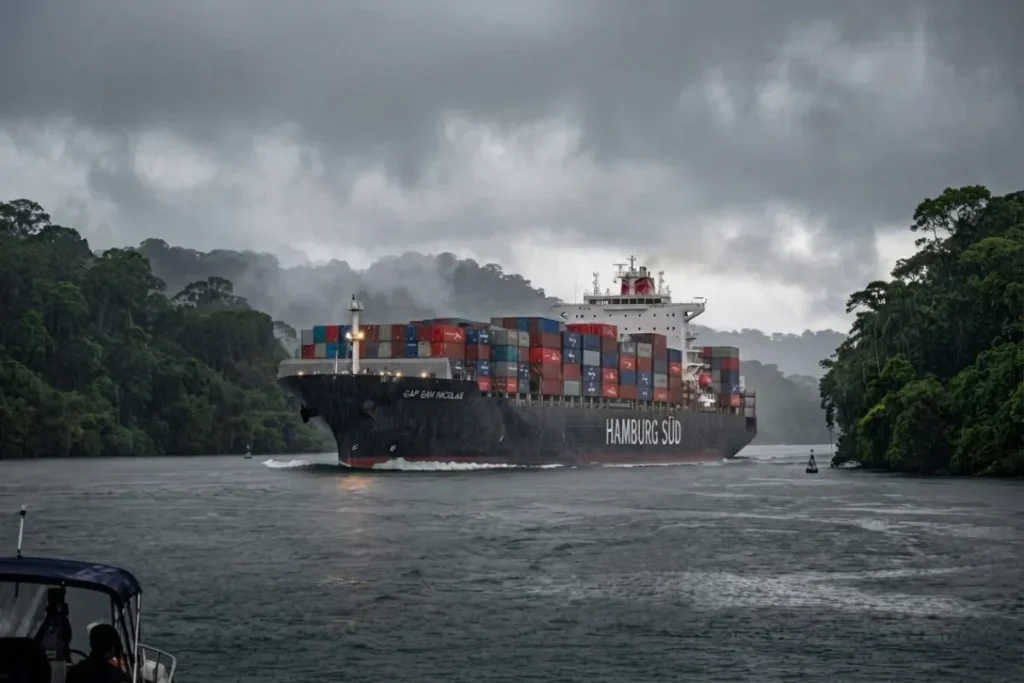
The conversation also touched on the global impact of the El Niño phenomenon, which has disrupted weather patterns and strained water resources worldwide. Panama has faced particular challenges due to reduced rainfall affecting canal operations.
Mulino extended an invitation to Von der Leyen for the Panama Economic Forum scheduled for January 2027, hosted by the CAF development bank. The invitation underscores Panama’s intent to maintain momentum in its relationship with European institutions and attract investment attention to its infrastructure agenda.
Von der Leyen’s acknowledgment of progress on the Panama tax list carries weight beyond symbolism. It positions Panama favorably ahead of the EU’s next review cycle and reinforces the Mulino administration’s economic diplomacy strategy.