


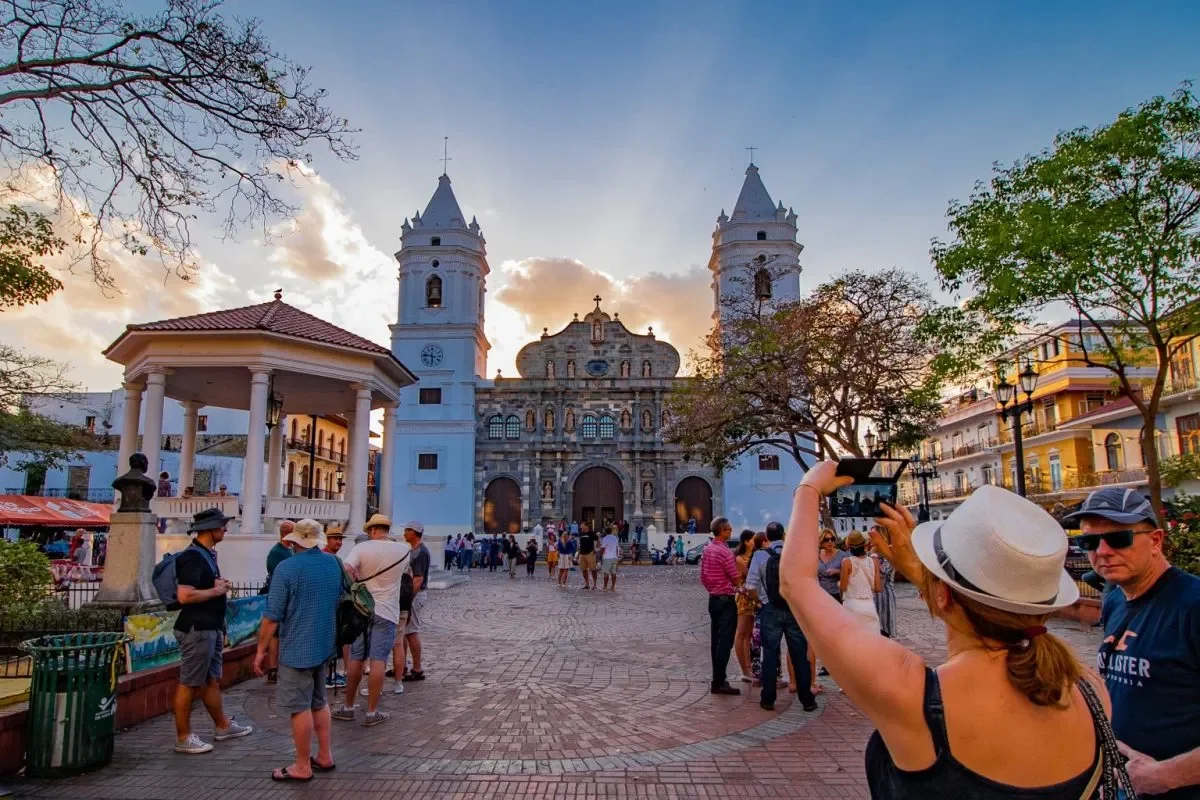
Panama City secured a top-five position among the best cities LatAm in the 2026 Global Cities Index published by Oxford Economics, according to data released Monday. The ranking evaluated 113 cities across Latin America and the Caribbean using 27 indicators grouped into five categories: economy, human capital, quality of life, environment, and governance.
The Panamanian capital placed fifth regionally and 280th globally among 1,000 cities assessed worldwide. Buenos Aires led the region at 138th globally, followed by Santiago at 155th, Lima at 196th, and Mexico City at 221st.

Best Cities LatAm Ranking Methodology and Results
Bloomberg Línea reported that the index measured urban performance through a comprehensive framework spanning economic strength, workforce capabilities, living standards, environmental conditions, and institutional effectiveness. Panama City outperformed several major regional hubs, including São Paulo, San José, Bogotá, Monterrey, and Brasilia, which rounded out the top ten.
Oxford Economics highlighted Panama City’s role as a primary logistics hub in Latin America, a factor that contributed significantly to its standing. The city’s strategic position along global shipping routes and its canal infrastructure continue to drive economic relevance in the region.
Human Capital Drives Regional Competitive Advantage
The report identified human capital as a principal strength for Latin American cities. Oxford Economics linked this performance to university presence, educational attainment, and productivity improvements across various urban centers. Jonathan Stewart, lead economist at Oxford Economics, told Bloomberg Línea that leading regional cities are leveraging their human capital and boosting productivity to climb the global rankings.
‘The leading cities in the region are taking advantage of their human capital and increasing their productivity to improve their position within the global classification’ [Translated from Spanish]
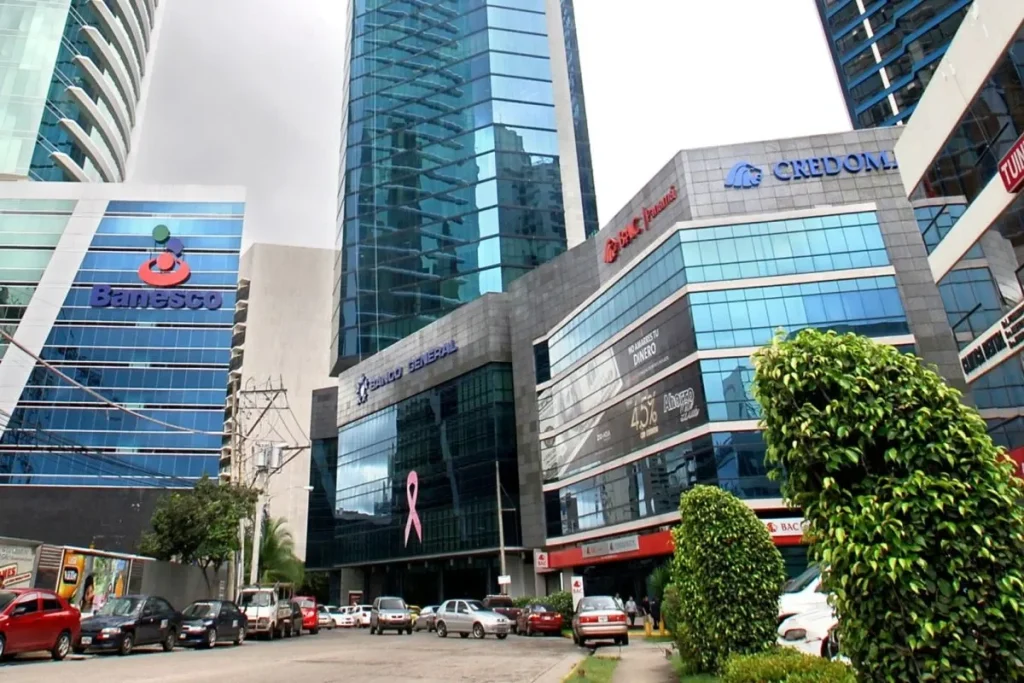
Panama City’s educational institutions and growing professional workforce align with this regional trend. The city’s service-based economy and financial sector have attracted skilled workers from across Latin America, reinforcing its human capital metrics.
Quality of Life Challenges Across the Region
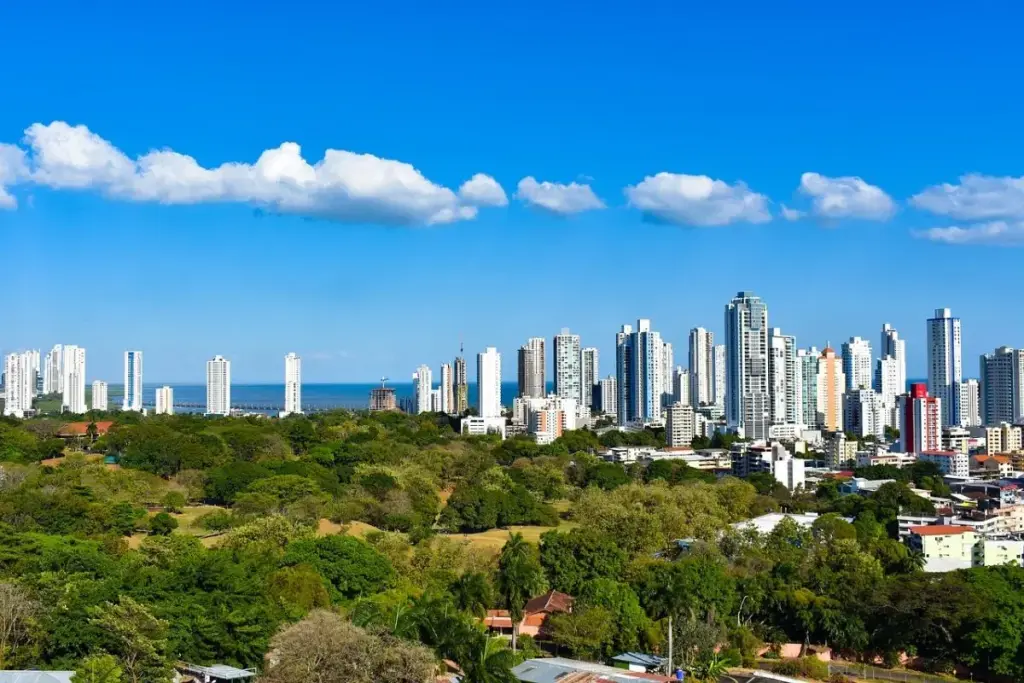
Despite strengths in human capital and economic outlook, the index revealed that quality of life remains the most significant obstacle for Latin American cities. Income inequality, poverty, and crime rates were cited as persistent challenges affecting urban performance throughout the region.
Oxford Economics emphasized that these issues stem from broader social challenges and that improving urban outcomes requires addressing multiple factors simultaneously. For Panama City, maintaining its top-five regional position will depend on tackling these quality-of-life indicators while preserving its logistics and economic advantages.
The 2026 ranking reflects a gradual shift in Latin American urban competitiveness, with cities that invest in education and infrastructure gaining ground. Panama City’s placement among the best cities LatAm underscores its emergence as a key player in the hemisphere’s urban landscape, though sustained progress will require continued attention to social and environmental metrics.