


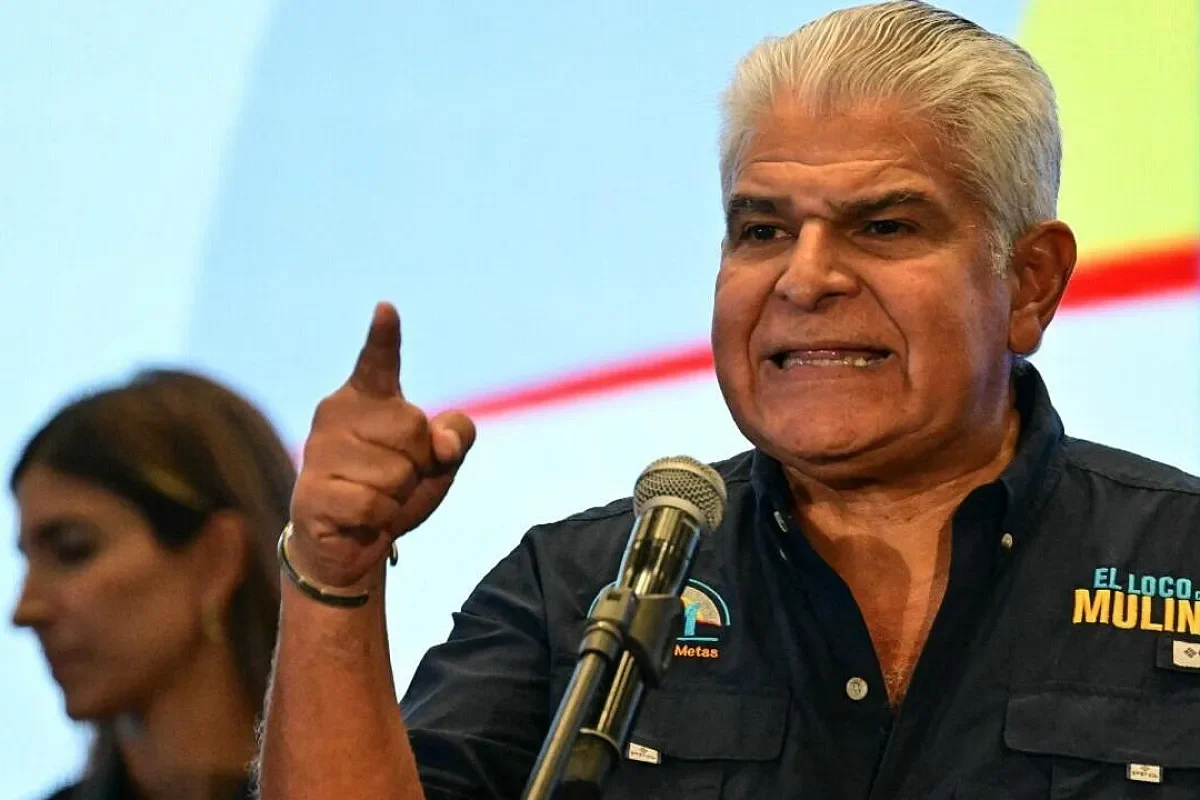
President José Raúl Mulino has issued a presidential veto Panama lawmakers now must confront, returning Bill 226 of 2025 to the National Assembly after determining the measure violates both existing legislation and the Constitution. The bill sought to broaden discounts and financial relief for retirees, pensioners, and elderly residents across the country.
In a letter addressed to Assembly President Shirley Castañedas, Mulino acknowledged the proposal’s legitimate social objectives but said constitutional incompatibilities and practical concerns forced his objection to the entire project. The veto arrives after weeks of formal dialogue between government officials, retiree unions, and private sector representatives.
Scope of the Vetoed Benefits Package
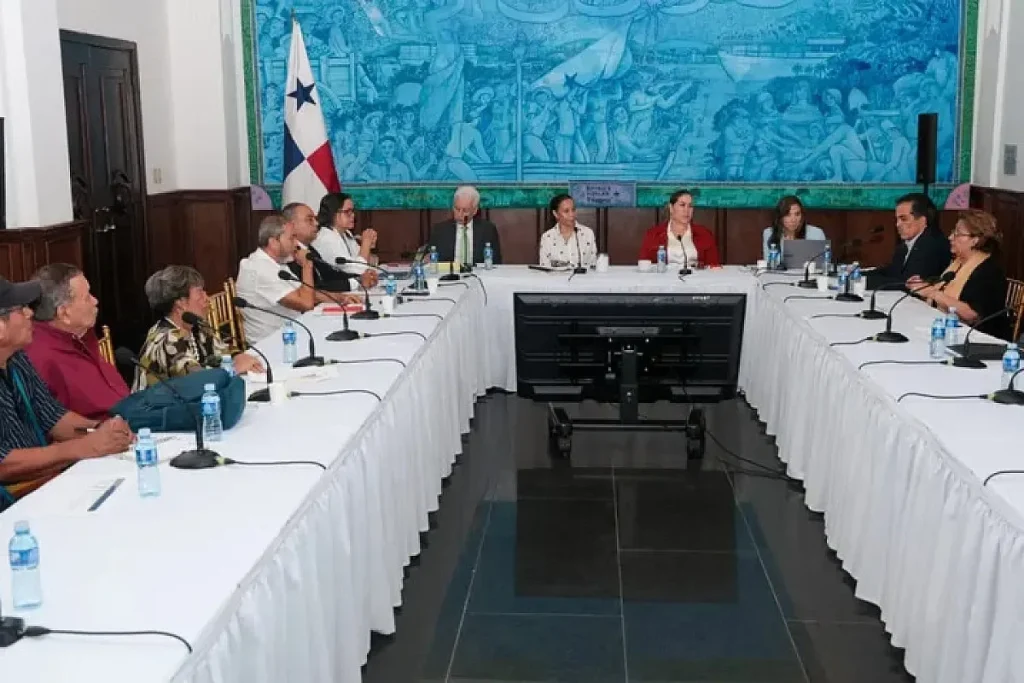
The rejected legislation would have expanded existing benefits under Law 6 of 1987 to cover discounts on medications, medical consultations, surgeries, hospital services, private laboratories, and imaging centers. It also included provisions for mobility aids such as orthopedic devices, canes, wheelchairs, crutches, and walkers.
Beyond healthcare, the bill extended discounts to restaurants, recreational activities, transportation, cable and internet services, credit and debit cards, insurance policies, water consumption, cleaning services, mortgage loans, and airline tickets. Supporters framed the expansion as a social policy aimed at improving economic conditions for older adults, including foreign residents.
The measure would have allowed businesses to claim these discounts as income tax deductions. A presidency statement said Mulino found “reasons of both inconvenience and unconstitutionality” to object to the bill in its entirety.
Dialogue Preceded the Presidential Veto Panama Decision
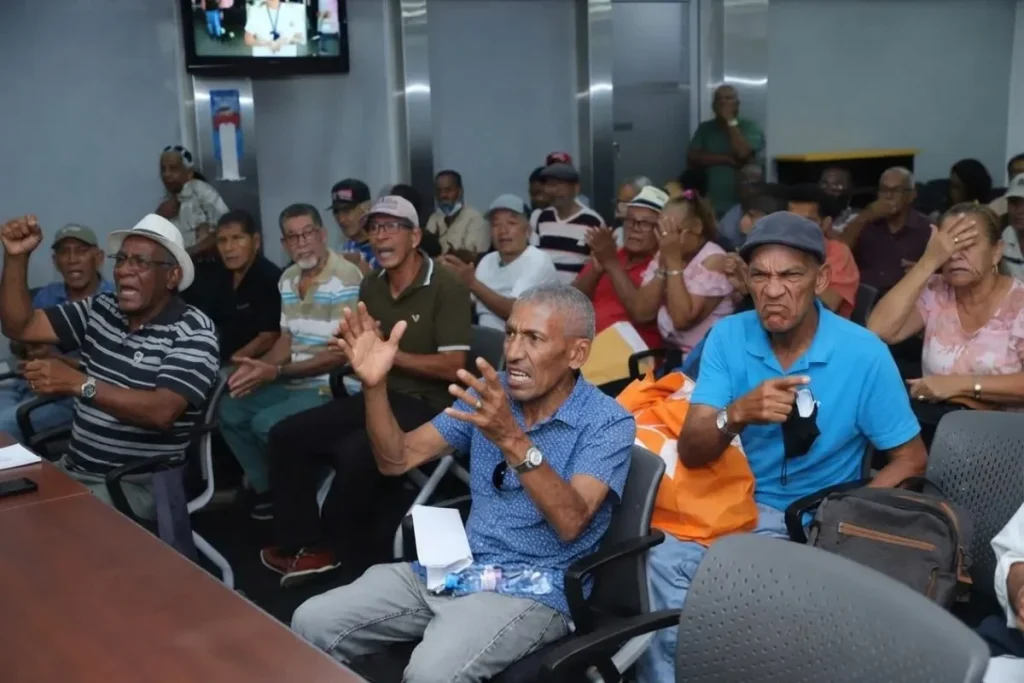
On September 9, Mulino met with retiree union leaders and private sector representatives at the Palacio de Las Garzas to establish a formal negotiation mechanism. The goal was finding viable alternatives to Bill 226, which the Assembly had already approved in third debate.
The president initiated these coordination meetings specifically to analyze the bill’s feasibility before making his final determination. Representatives from sectors governed by Law 6 of 1987 participated in discussions about potential adjustments or replacements for the proposed expansion.
International Framework and Legislative Justification
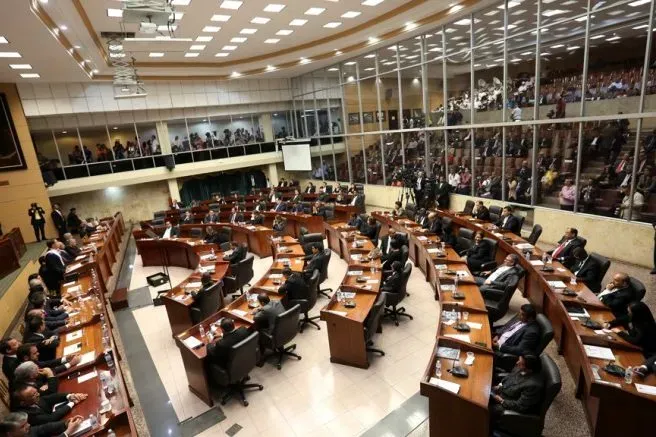
Proponents of the bill cited Panama’s international commitments on aging, including the 1982 Vienna International Plan of Action on Aging, which encouraged public policies strengthening economic and social security for elderly populations. Lawmakers argued the measure represented a reivindicative social policy rather than a simple benefits increase.
During legislative debate, deputies emphasized that improving economic conditions for older adults justified the broadened discount structure. But the executive branch ultimately concluded the bill’s provisions crossed constitutional boundaries, sending it back to lawmakers for reconsideration.
The veto now returns the contentious issue to the National Assembly, where legislators must decide whether to accept the president’s objections, modify the bill, or attempt to override the decision.