


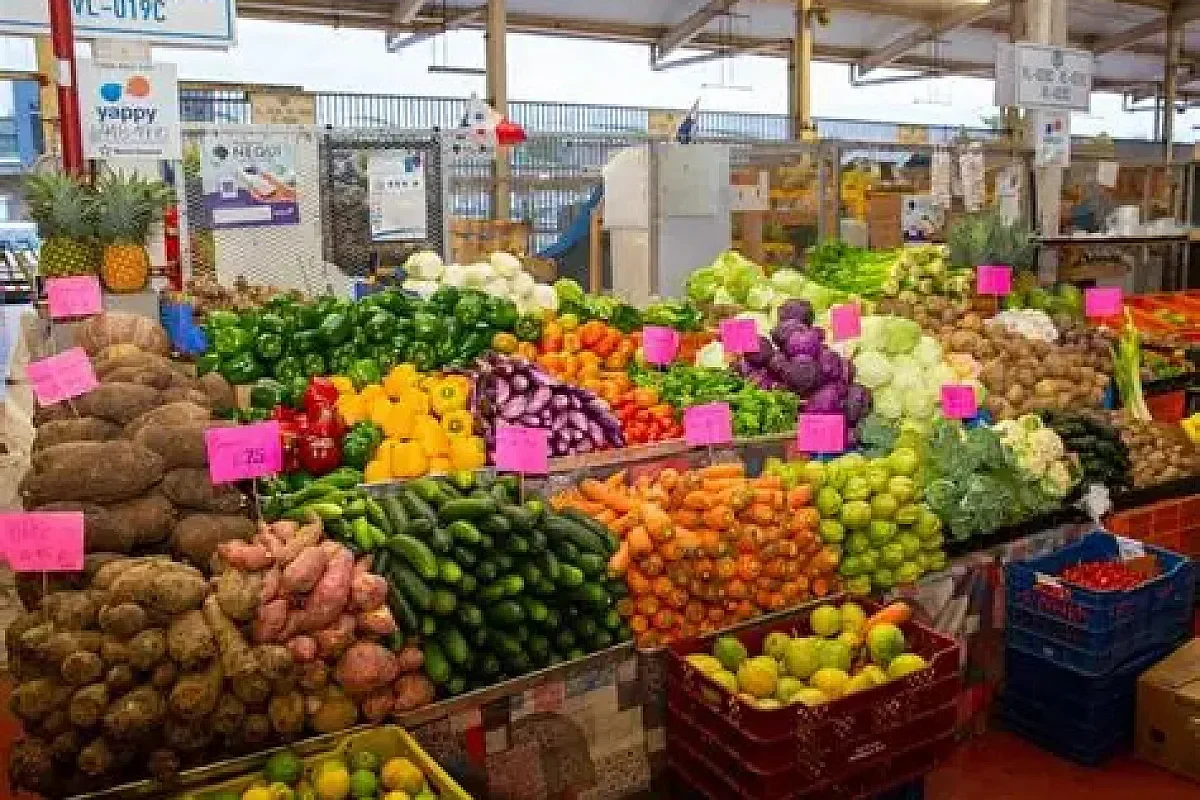
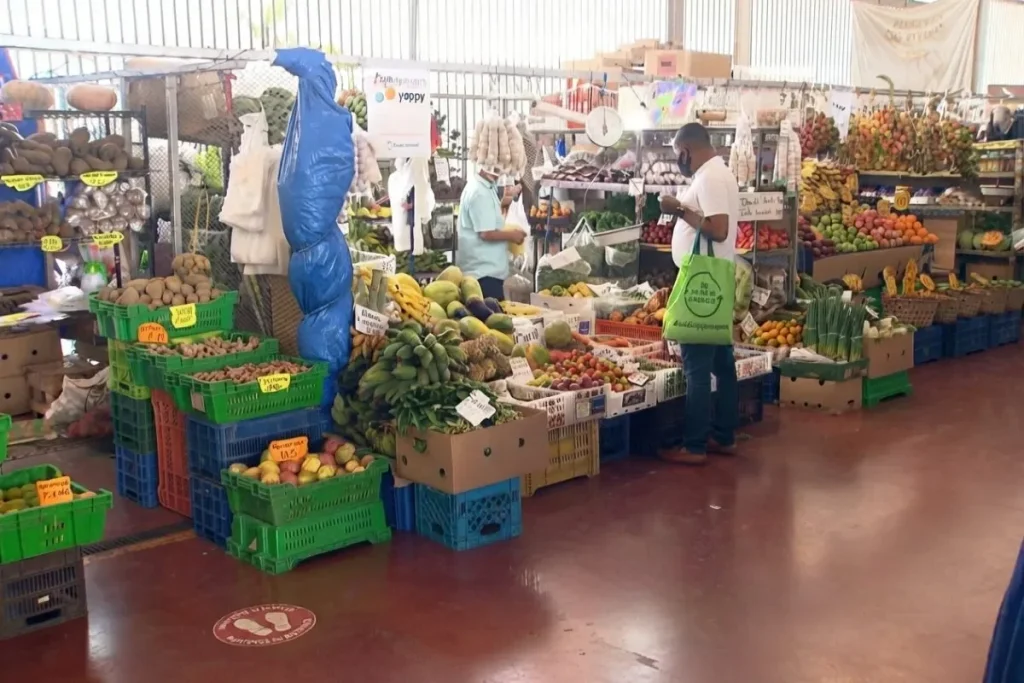
Merca Panamá launched a weekend fair in its Volcán warehouse to connect consumers with discounted staples, as merchants rolled out special pricing on produce and meats to counter escalating food and fuel costs. The initiative, held September 19, drew vendors and small entrepreneurs seeking to boost sales while offering relief to household budgets.
Organizers said the event forms part of a broader push by the National Cold Chain Markets to replicate low-cost fairs as a direct response to inflationary pressure on basic goods.
Panama Market Deals Feature Discounted Produce and Meats
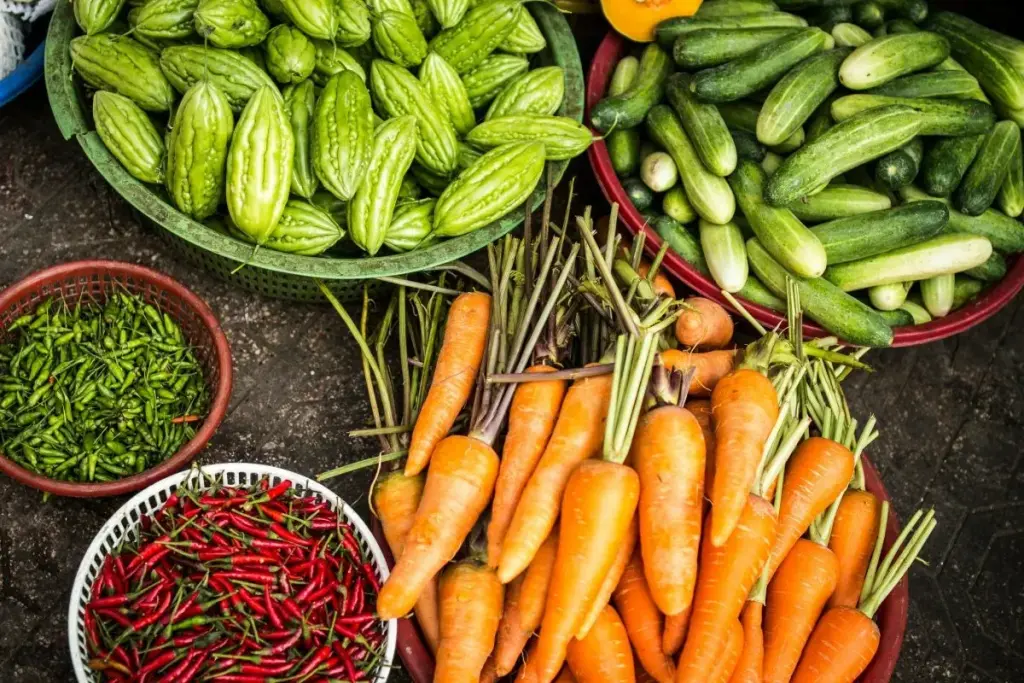
Vendors priced potatoes at 65 cents, carrots at 60 cents, and peppers at one dollar to attract foot traffic. Lisbeth Martínez, a market merchant, said the strategy aims to keep affordable options available even as wholesale costs climb.
‘We try to keep certain products on sale to attract the public’ [Translated from Spanish]
Legumes, fruits, and meat products dominated the offerings. Shoppers cited freshness, lower prices, and the convenience of finding multiple items in one location as primary draws.

Entrepreneurs Use Fair as Sales Platform
Small business owners leveraged the event to showcase goods beyond groceries. Norma Estrada sold pork, grilled chops, chorizos, and chicken wings, while other participants offered artisanal crafts and jewelry. Betsy García presented clothing tied to Panamanian culture and said she will add polleras and accessories to her inventory in November. This diverse marketplace allowed independent vendors to reach larger audiences, significantly boosting their daily sales and business visibility.
Consumer turnout reflected steady demand for value-driven shopping. One buyer noted the produce remains fresher and cheaper compared to other outlets, with larger quantities available per purchase. Families appreciated these tangible savings, which make quality food significantly more attainable during challenging economic times.
Cold Chain Markets Expand Low-Cost Fairs
Ángelo Bee, representing Merca Panamá, said these activities deliver more accessible prices and help offset the financial strain linked to rising fuel and operational costs. These popular initiatives directly connect local agricultural producers with budget-conscious consumers, eliminating unnecessary middlemen to maximize economic relief.
The National Cold Chain Markets confirmed similar fairs will continue as a recurring alternative for families seeking essential products below typical retail levels. By offering significant discounts on fresh vegetables, fruits, and meats, these community-focused events provide a vital safety net for households struggling with everyday expenses.
The September event underscores how public market infrastructure is being deployed to stabilize consumer purchasing power amid broader cost-of-living pressures.