


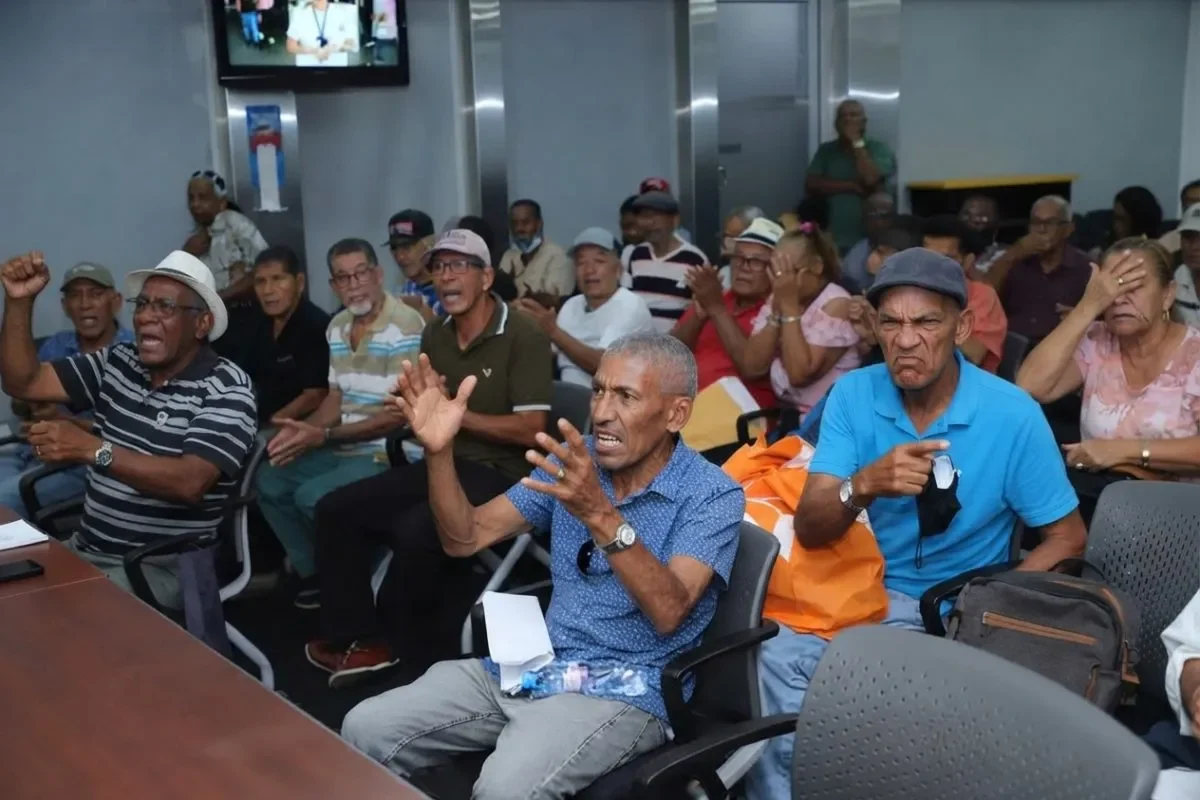
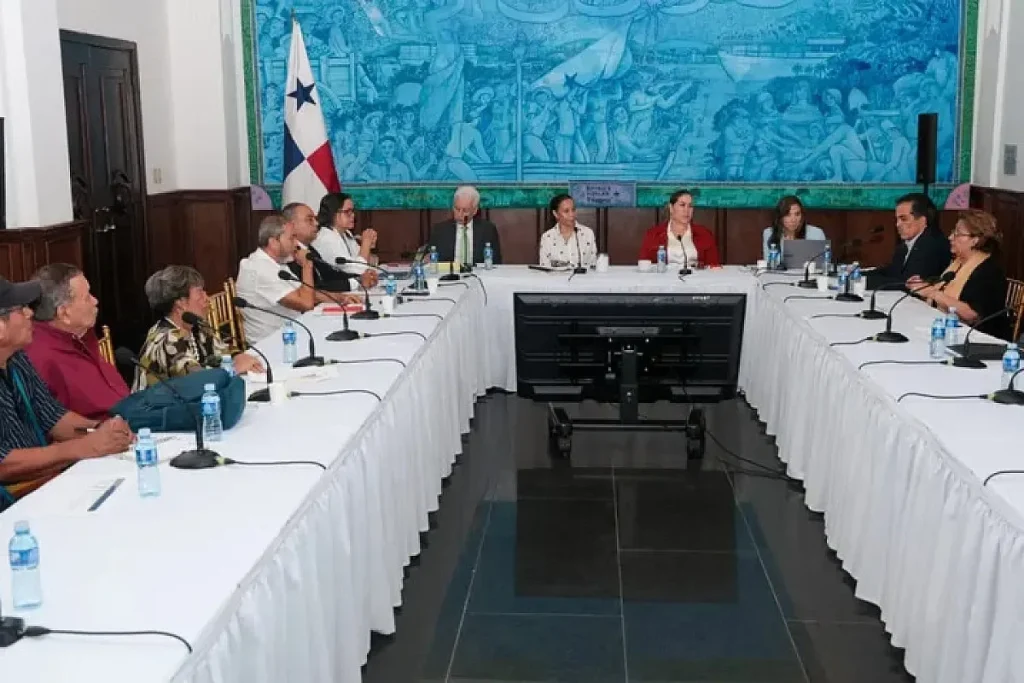
Government officials, business leaders and retiree advocates met Tuesday at the Palacio de Las Garzas to examine the viability of Bill 226, a legislative proposal central to the ongoing Panama pension reform debate. The session marked the second coordination meeting aimed at resolving disputes over discount schemes for the country’s retirees.
The gathering followed President José Raúl Mulino’s September 9 directive to find a solution that protects vulnerable pensioners while shielding micro and small businesses from financial strain. Participants reviewed adjustments to existing discount structures, particularly those tied to tourism and hospitality services that critics say fail to benefit the most needy older adults.
Pension Reform Negotiations Enter Second Round
Vice Minister of the Presidency Virna Luque led the coordination efforts, joined by National Assembly President Shirley Castañeda and Deputy Javier Sucre, who originally proposed the bill. Also present were Vice Minister of Economy Eida Sáiz and presidential advisor Ricardo Fábrega, signaling the administration’s commitment to reaching consensus.
Retiree union leaders Guillermo Cortés, Roberto López, Santiago Miranda and Telva Núñez de Córdoba represented pensioner interests. The private sector delegation included Chamber of Commerce President Aurelio Barría, Fedecámaras President Alicia Jiménez, and Orlando Pérez from the National Union of Pharmacy Owners.

Core Demands Shape Discount Framework
The discussions centered on establishing equitable discounts across essential services. Negotiators identified priority areas including electricity, public transportation, telephony and healthcare services. Specific attention focused on medical supplies such as adult diapers, wheelchairs and walkers, items considered critical for elderly care but often excluded from existing benefit programs.
A key point of contention involved current discounts applied to tourism and hotel services. Multiple participants argued these benefits do not directly address the needs of Panama’s most economically vulnerable retirees, suggesting resources could be redirected toward more impactful assistance programs.
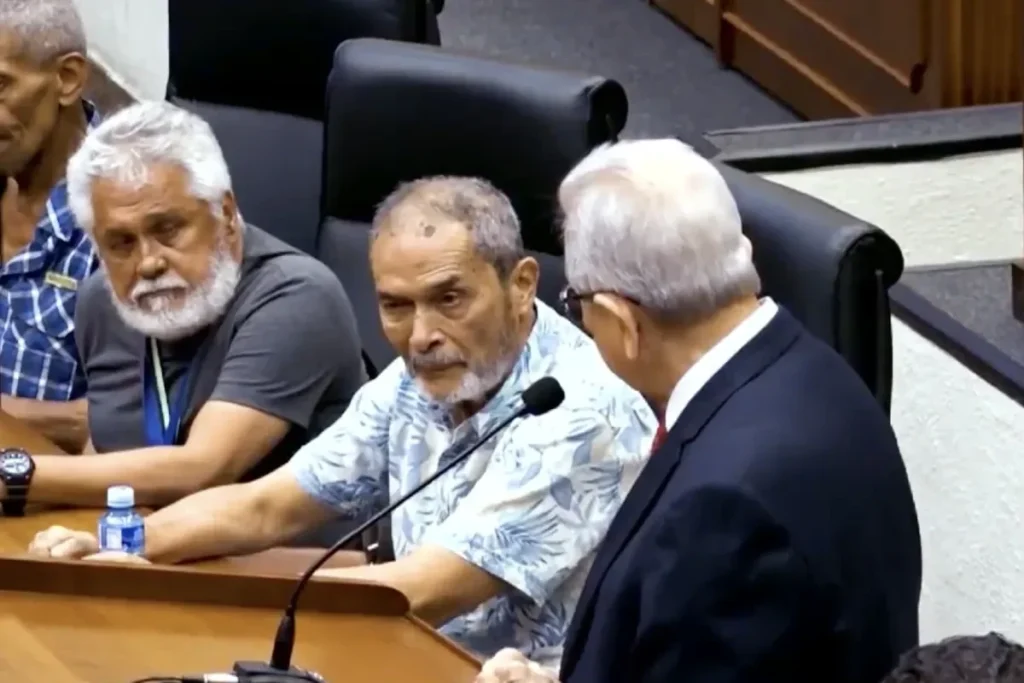
Balancing Business Viability and Pensioner Protections
The Mulino administration has positioned itself as mediator between competing interests. Business representatives expressed concerns about mandatory discount expansion affecting profitability, especially for smaller enterprises operating on thin margins. Retiree advocates countered that current benefit levels remain inadequate given rising living costs and healthcare expenses.
The meeting produced no final agreement but established a framework for continued negotiation. Officials indicated that subsequent sessions would refine specific discount percentages and eligibility requirements before the bill advances through the legislative process.
The outcome of these talks will determine whether Panama pension reform delivers meaningful relief to retirees without imposing unsustainable burdens on the country’s commercial sector. Both sides have signaled willingness to compromise, though significant gaps remain on implementation details and enforcement mechanisms.
#NacionalCri Las alternativas para ajustar o reemplazar el proyecto de ley 226 sobre descuentos a jubilados y pensionados en Panamá fueron analizadas este martes en el Salón Paz del Palacio de Las Garzas, durante la segunda reunión de coordinación entre el Gobierno Nacional, la… pic.twitter.com/DhsSuZWV5W
— Diario Critica.Pa (@criticaenlinea) September 15, 2026