


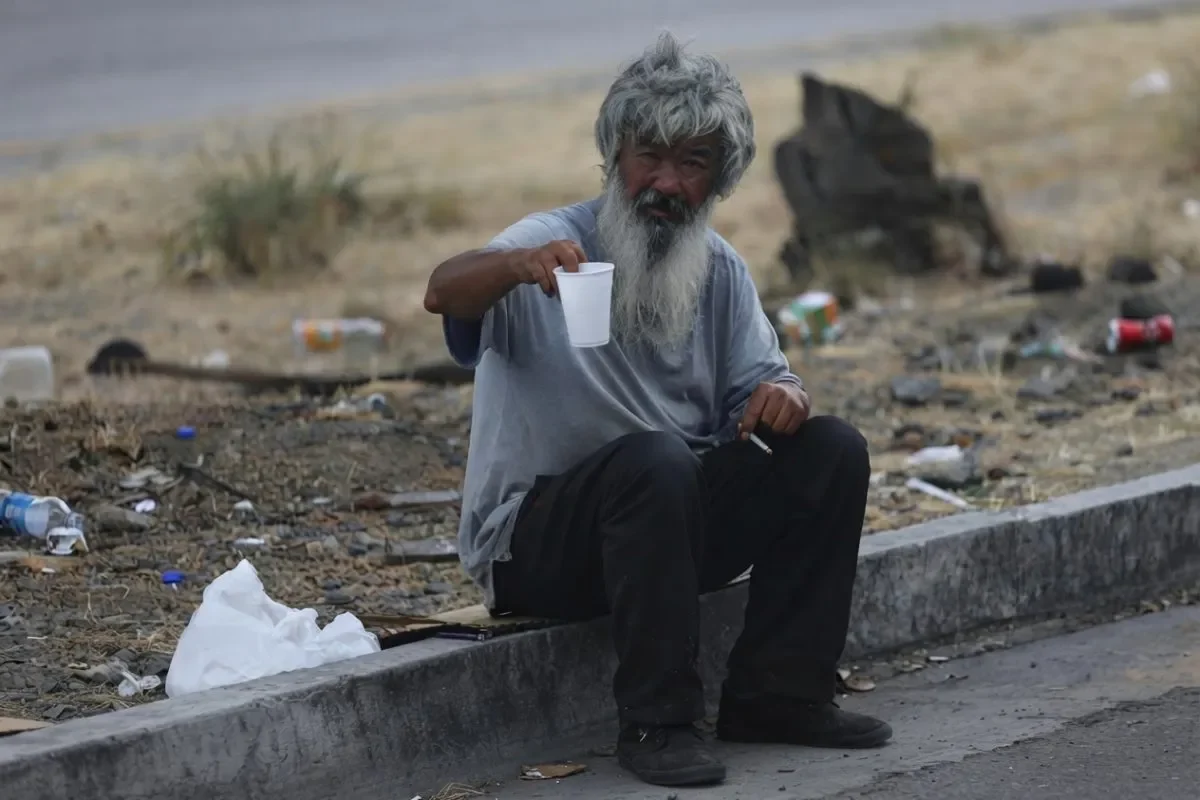
Panama’s National Assembly has moved forward with a sweeping homeless policy reform that would give the Ministry of Social Development (Mides) authority to coordinate all street-level assistance programs while establishing a legal framework for involuntary placement in specialized care centers. The legislation, approved in first debate on September 14, 2026, merges two separate proposals into a single bill that addresses what lawmakers describe as a growing crisis in Panama City and Colón.
Deputy Ernesto Cedeño of the Seguimos bench, who sponsored the original initiative, confirmed that preliminary estimates indicate at least 400 people live on the streets of the capital alone. No official registry currently exists, a gap the bill seeks to close through a mandatory national census.
Involuntary Placement Rules Under the Homeless Policy Reform
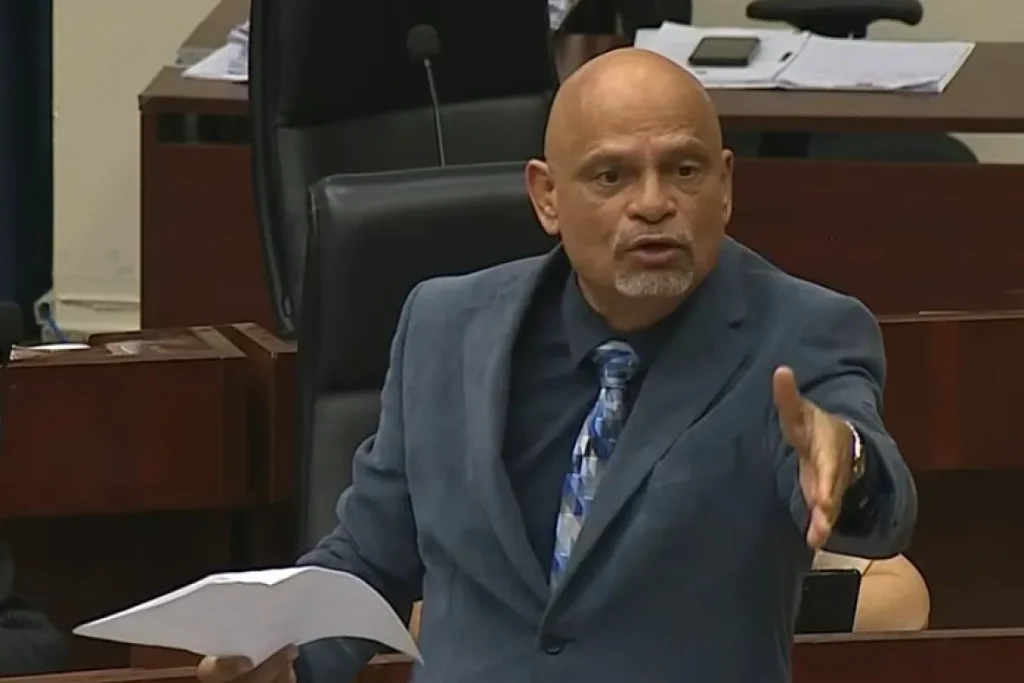
The most debated provision in the legislation permits involuntary transfer to treatment facilities, but only under strict judicial oversight. A medical evaluation must first determine that an individual poses a danger to themselves or others. Once admitted, case files must reach a justice of the peace within 24 hours for legal review.
Cedeño emphasized that the measure does not function as preventive detention. “What we want is to help him, educate him, treat him, rehabilitate him and incorporate him into society,” he said [Translated from Spanish]. The maximum involuntary stay would be capped at three months, after which continued care would require renewed legal authorization while ensuring that every affected citizen receives consistent medical attention and compassionate human support.
The admission process operates on two tracks. Voluntary entry remains the primary pathway, with involuntary placement reserved for exceptional circumstances documented by medical professionals. This dual approach aims to balance public safety concerns with individual rights protections.
Coordinated Response Led by Mides
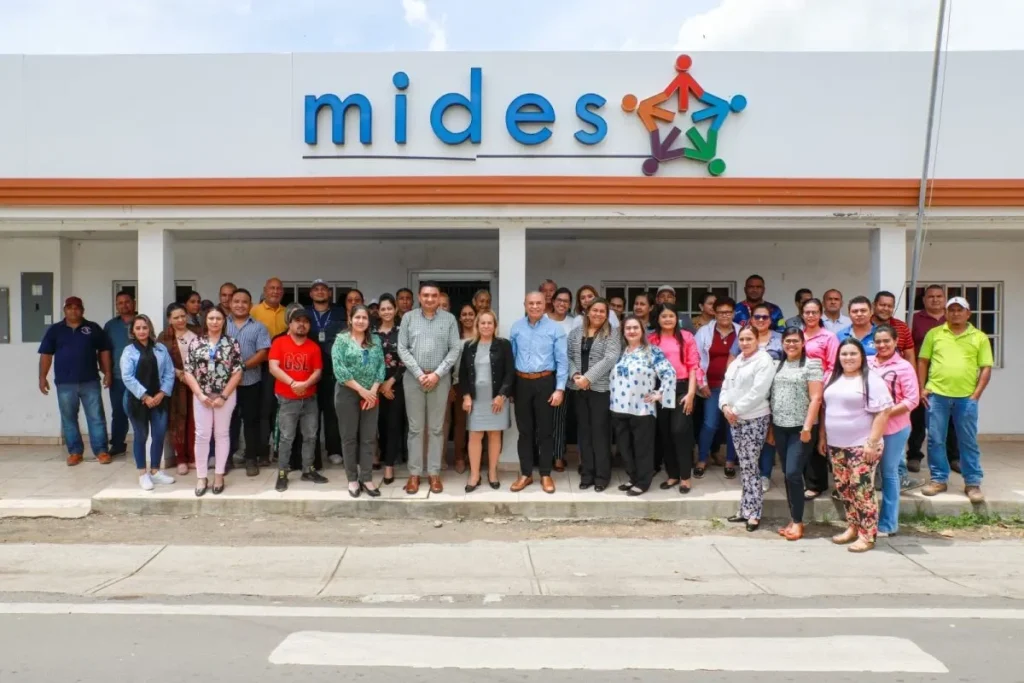
Under the approved framework, Mides would direct the national policy for homeless services, coordinating with the ministries of Government and Labor, municipal authorities, and other state institutions. Care centers would be required to provide comprehensive services including healthcare, nutrition, addiction treatment, education, and social reintegration programs designed to foster long-term stability and genuine opportunity.
The goal, Cedeño explained, is to move individuals from the streets into environments where they can receive meals, education, and appropriate treatment to become productive members of society. The legislation also mandates the creation of specialized facilities capable of addressing both immediate needs and long-term rehabilitation.
Census Data and Regional Impact
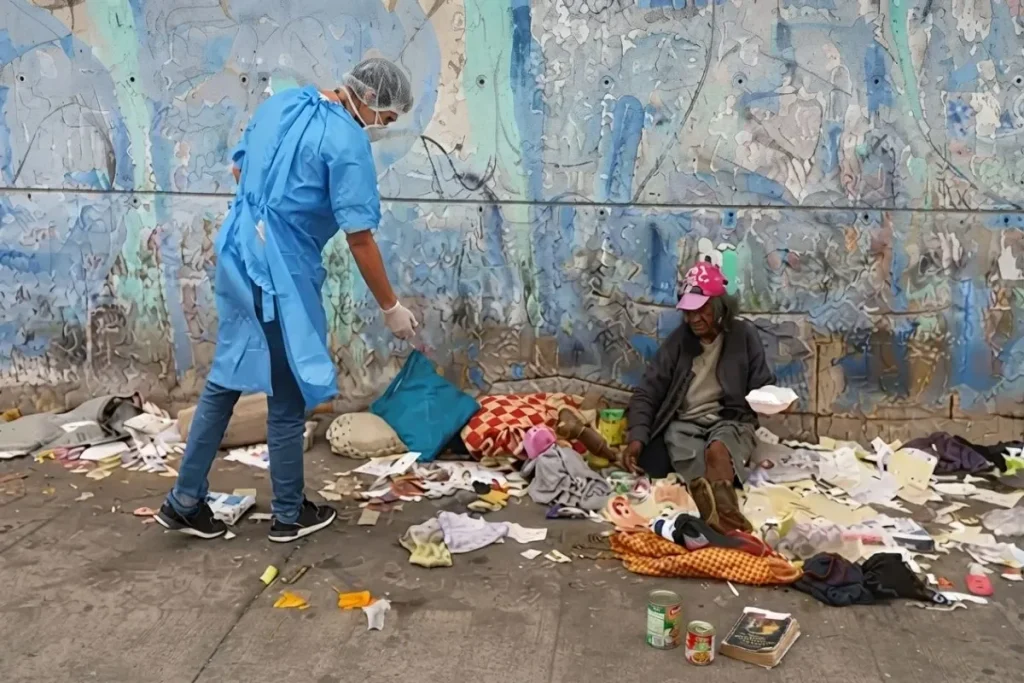
The national census provision addresses a critical information gap that has hindered policy planning for years. Lawmakers acknowledged that without accurate data on the homeless population’s size, demographics, and specific needs, resource allocation remains guesswork. Panama City and Colón concentrate the highest number of cases, but Cedeño noted the phenomenon extends to other municipalities across the country.
The bill represents a consolidation of Cedeño’s original proposal with legislation introduced by Deputy Manuel Chen. The merged text underwent restructuring before clearing its first debate hurdle. Committee discussions focused on strengthening judicial safeguards while ensuring care centers have adequate capacity to handle both voluntary and court-ordered admissions.
Lawmakers backing the reform argue that Panama’s current patchwork approach fails to address root causes of homelessness, including untreated mental illness, addiction, and economic displacement. The legislation’s emphasis on rehabilitation over punishment marks a shift toward public health-oriented responses to street homelessness, a trend gaining traction across Latin American capitals facing similar urban challenges.