


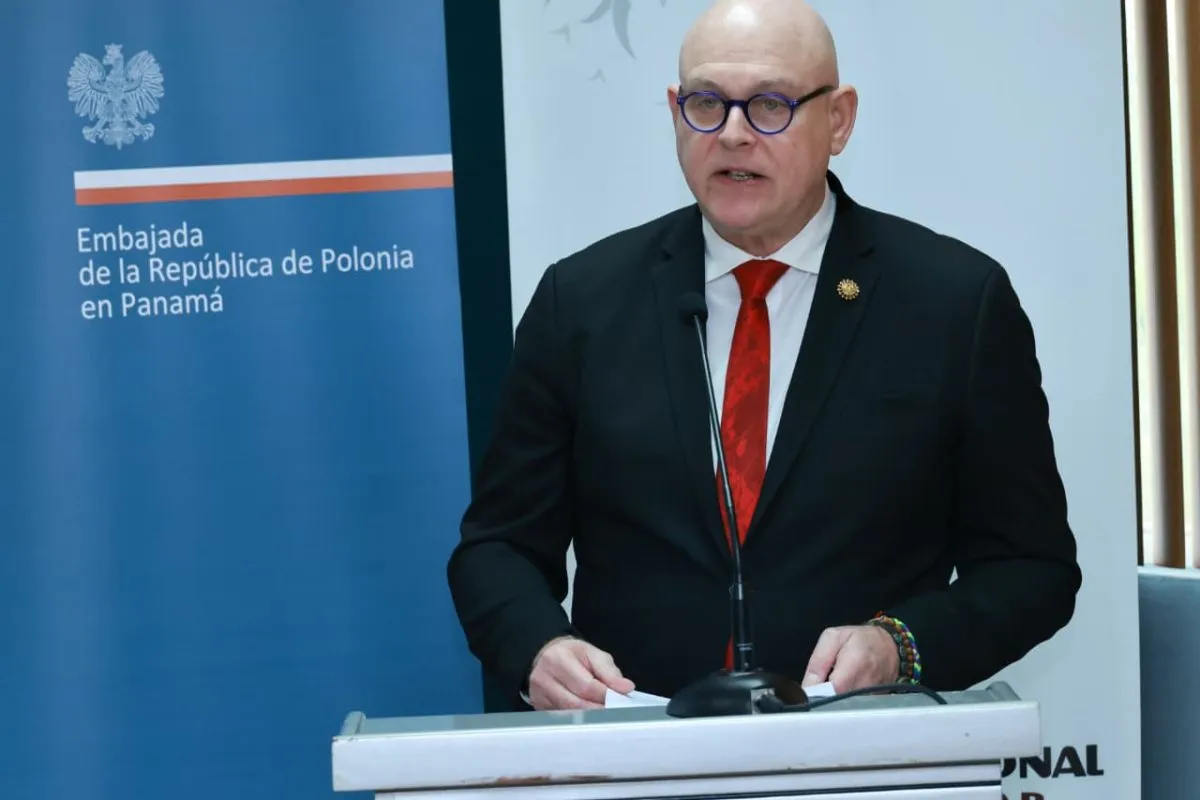
Panama and Poland have reinforced their bilateral commitment to democratic governance and sovereignty during a high-level academic gathering in Panama City, officials announced Thursday. The event, focusing on Panama Poland relations, brought together government representatives, diplomats, and scholars to examine historical parallels and contemporary challenges facing democratic systems across both regions.
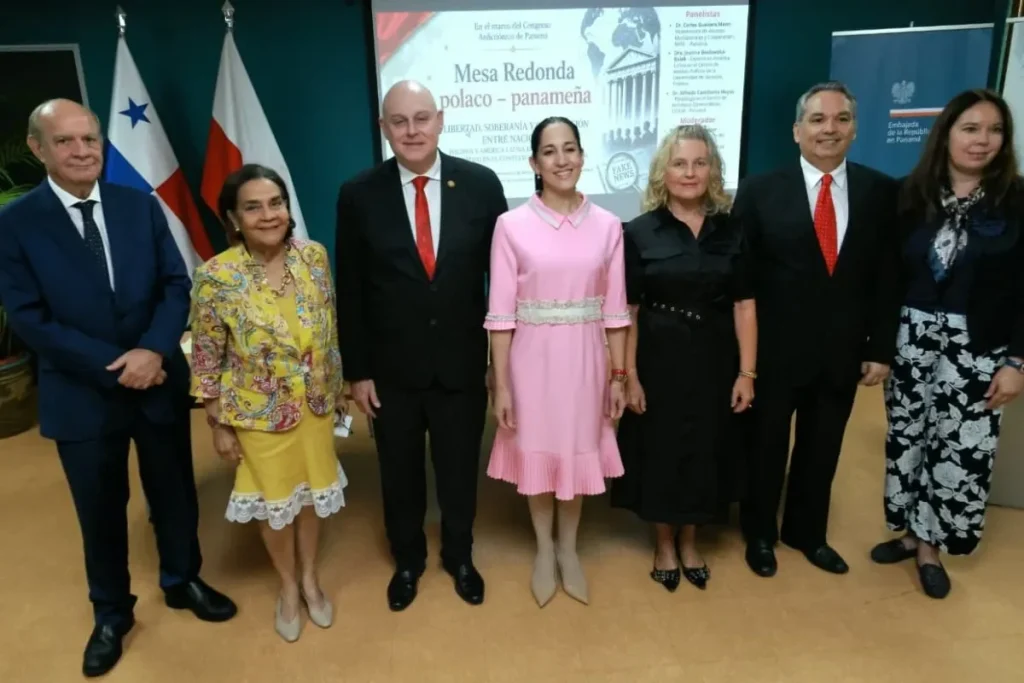
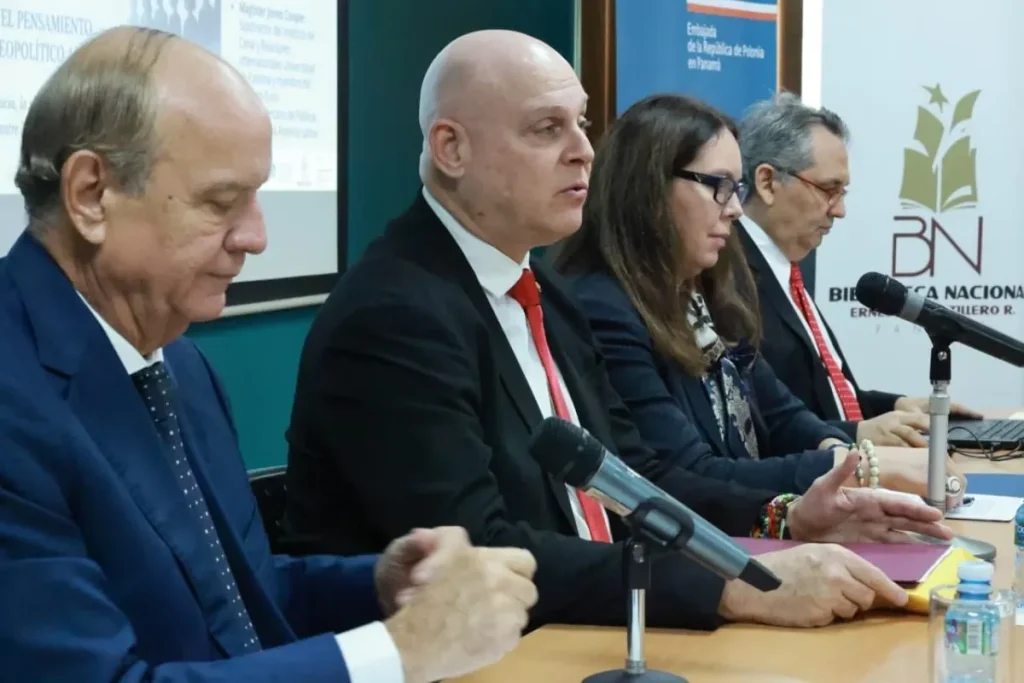
Vice Minister of Multilateral Affairs and Cooperation Carlos Guevara Mann inaugurated the forum at the Ernesto J. Castillero National Library, joined by Culture Minister Maria Eugenia Herrera and Polish Ambassador to Panama Jolanta Janek. The gathering formed part of commemorations marking the Bicentennial of the Amphictyonic Congress, a foundational moment in Latin American integration.
Historical Bonds Between Panama and Poland
Panelists traced connections between Polish and Latin American independence movements, drawing direct parallels between General Tadeusz Kościuszko and Simón Bolívar. Both figures embodied the struggle for national self-determination that continues to shape diplomatic discourse today. Polish military figures including Colonel Ferdynand Sierakowski and Michał Rola Skibicki, a grand-nephew of Kościuszko, participated in Bolívar’s campaigns for American liberty, demonstrating the deep historical roots of these ties.
Specialists from the University of Warsaw, the Democratic Research Center, and the University of Panama’s Canal and International Relations Institute led discussions on how these historical connections inform modern geopolitical cooperation. Joanna Gocłowska-Bolek, an expert in Polish-Latin American relations, joined Alfredo Castillero Hoyos and Jones Cooper Seferlis in examining the strategic dimensions of the bilateral relationship.
Cultural Diplomacy and Institutional Cooperation
This year has seen several joint initiatives designed to strengthen cultural and political visibility between the two nations. A government palace exhibition titled “Poland and Panama: Shared Paths to Freedom, Democracy, and Cooperation Between Nations” highlighted common historical trajectories. Additional programming included a concert dedicated to Frédéric Chopin’s work at the National Theater and the inauguration of the Tolerance Pavilion at the Museum of Freedom and Human Rights, developed with support from the Auschwitz-Birkenau State Museum.
Panama currently holds the Pro Tempore presidency of the Community of Democracies, an organization established in 2000 with the signing of the Warsaw Declaration. Having hosted the Eleventh Ministerial Conference in June, Panama reaffirmed that popular will remains the essential foundation of state sovereignty. This leadership role positions the country as a key advocate for democratic principles across the hemisphere.
Strategic Agenda for Democratic Resilience
Participants identified several contemporary threats to democratic systems, including disinformation campaigns, political polarization, external interference, and institutional fragility. The forum produced concrete proposals for interregional cooperation addressing these challenges. Recommended actions include joint research programs on democracy and disinformation, academic and diplomatic networks connecting universities and national libraries, and exchanges of best practices in digital governance and media literacy.
The gathering concluded by invoking the spirit of the Amphictyonic Congress as a continuing reference point for renewing international dialogue architecture rooted in freedom and mutual strategic cooperation. Officials emphasized that the bilateral relationship has acquired strategic character, moving beyond historical affinity toward practical collaboration on shared governance challenges.