


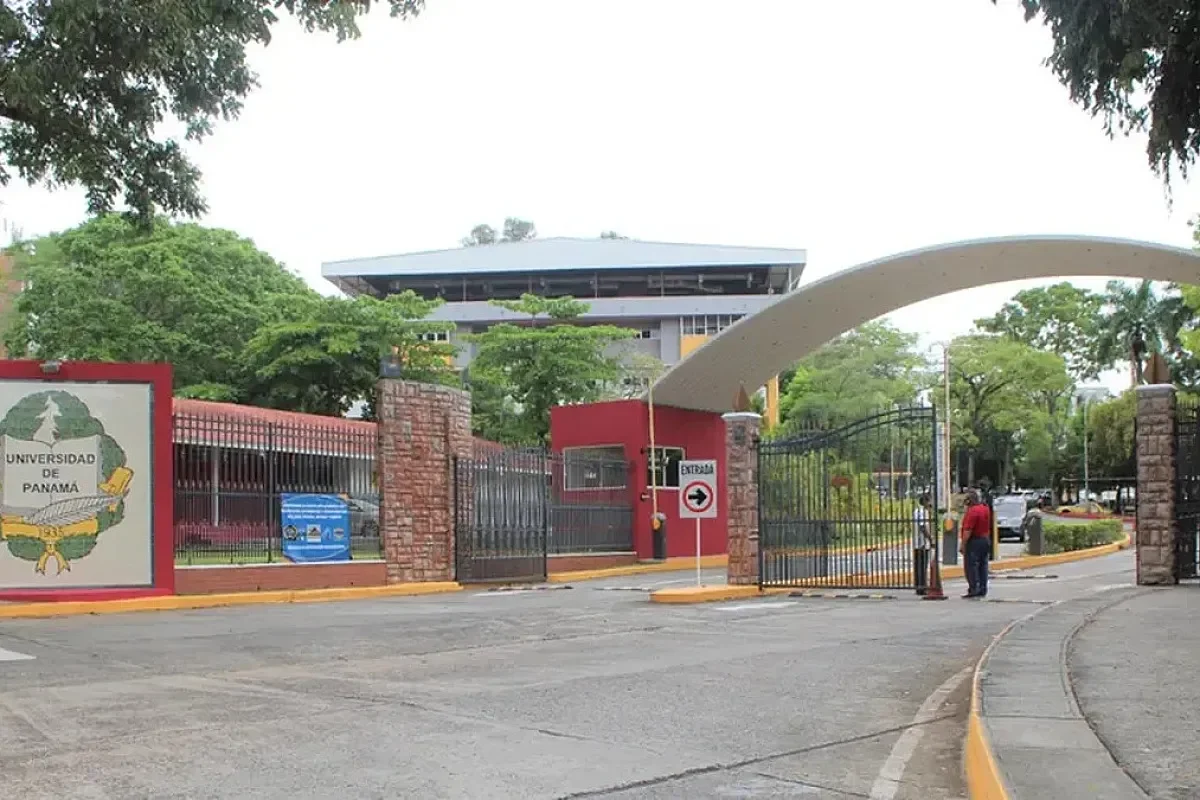
A maritime training institution with barely 1,600 students spends $14,555 per head annually, while a university serving more than 12,000 learners operates on just $3,691 per student. That stark contrast sits at the heart of Panama’s public university funding landscape, where six official institutions share $681.3 million this year across 150,886 enrolled students, yielding an average of $4,516 per person.
The Real Cost Behind Public University Funding
The figures come from Panama’s 2026 budget law, known as Law 494 of 2025, combined with the most recent enrollment data published by the National Institute of Statistics and Census (INEC) for 2024. When public university funding gets divided student by student, the numbers reveal a system where institutional size, not academic quality or program prestige, drives per capita costs.
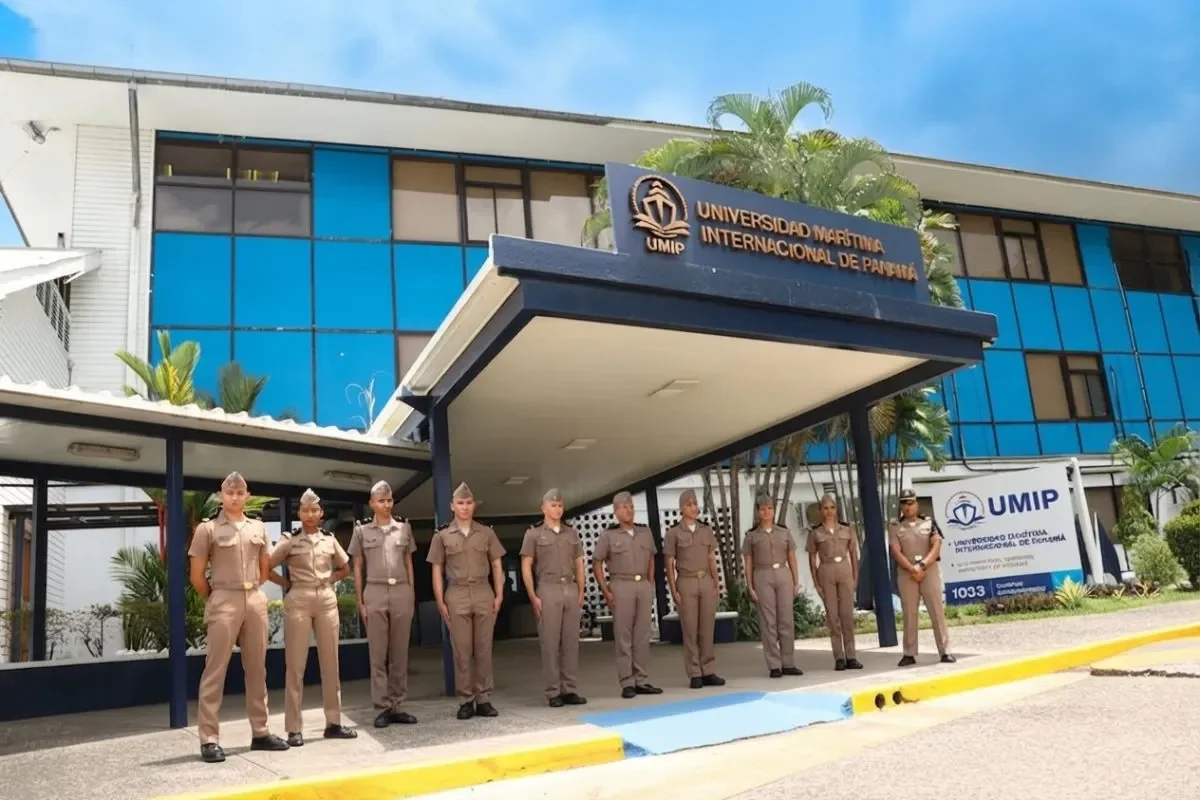
UDELAS, the Universidad Especializada de las Américas, ranks as the most economical institution at $3,691 per student. The University of Panama and UNACHI follow closely behind, both serving more than 12,000 students each. At the opposite end, the International Maritime University of Panama (UMIP) tops the list at $14,555 per student, nearly four times UDELAS’s figure. The newly created Autonomous University of Indigenous Peoples, established by Law 288 of 2022 in the Ngäbe Buglé Comarca, spends $7,598 per student across just 268 enrolled learners.

Why Smaller Institutions Spend More Per Student
Budget analysts quickly point out that enrollment size explains most of the disparity. A new or specialized university with a small student body must spread its fixed costs, physical infrastructure, initial payroll, and specialized equipment across far fewer people. The UMIP actually operates a training ship, bridge simulators, and engine room simulators that no other Panamanian institution maintains. Its $23.5 million budget supports only 1,613 students.
The Indigenous Peoples University faces similar arithmetic with its $2 million allocation and 268 students. For anyone evaluating public spending efficiency, the relevant question is not how much each institution requests, but how many students each dollar actually serves. Smaller universities spend more per capita by mathematical necessity, not necessarily through waste or mismanagement. The initial plant and administrative structure simply cannot be divided across thousands of students when the institution is new or highly specialized.

Budget Execution Rates Reveal Spending Challenges
Beyond the raw budget numbers, execution rates tell another story about how effectively these funds move. By July 31, the entire public sector had executed 55.6 percent of its operational budget. The University of Panama lagged significantly behind at just 21.9 percent, even as it requested $379.4 million for 2027, including $25 million designated for investment. UNACHI showed a mixed picture, executing 76.3 percent of its operating funds but only 5.7 percent of its investment allocation.
These execution figures, drawn from the Ministry of Economy and Finance’s preliminary report to July 31, suggest that securing budget allocations and actually spending them are two very different challenges. UNACHI presented its budget request to the National Assembly on September 8, while UMIP had not yet made its presentation. The budget hearings remain open as institutions make their cases for next year’s funding.
International Comparisons and Missing Data
Placing Panama’s $4,516 per student figure in an international context proves difficult. The OECD measures public spending per tertiary student using purchasing power parity dollars, which adjusts for price levels across countries. Their simple average sits at $15,102 annually, but Panama does not appear among countries with available data in that table. The only international indicator that includes Panama comes from the World Bank, whose last data point dates to 2012, showing 18.74 percent of GDP per capita per tertiary student.
That series ended more than a decade ago, leaving policymakers without current comparative benchmarks. Comparing the OECD’s purchasing power parity figures directly against Panama’s current dollar amounts would be methodologically flawed, as the OECD itself cautions. The result is a country navigating higher education spending decisions without robust international reference points for public university funding efficiency.
The coming weeks will determine how these institutions fare in the 2027 budget cycle. With execution rates varying widely and per-student costs spanning a fourfold range, legislators face the task of balancing specialized needs against the mathematics of enrollment. The fundamental tension remains clear, a university with 268 students will always show higher per capita costs than one with 12,000, regardless of how efficiently either institution operates.