


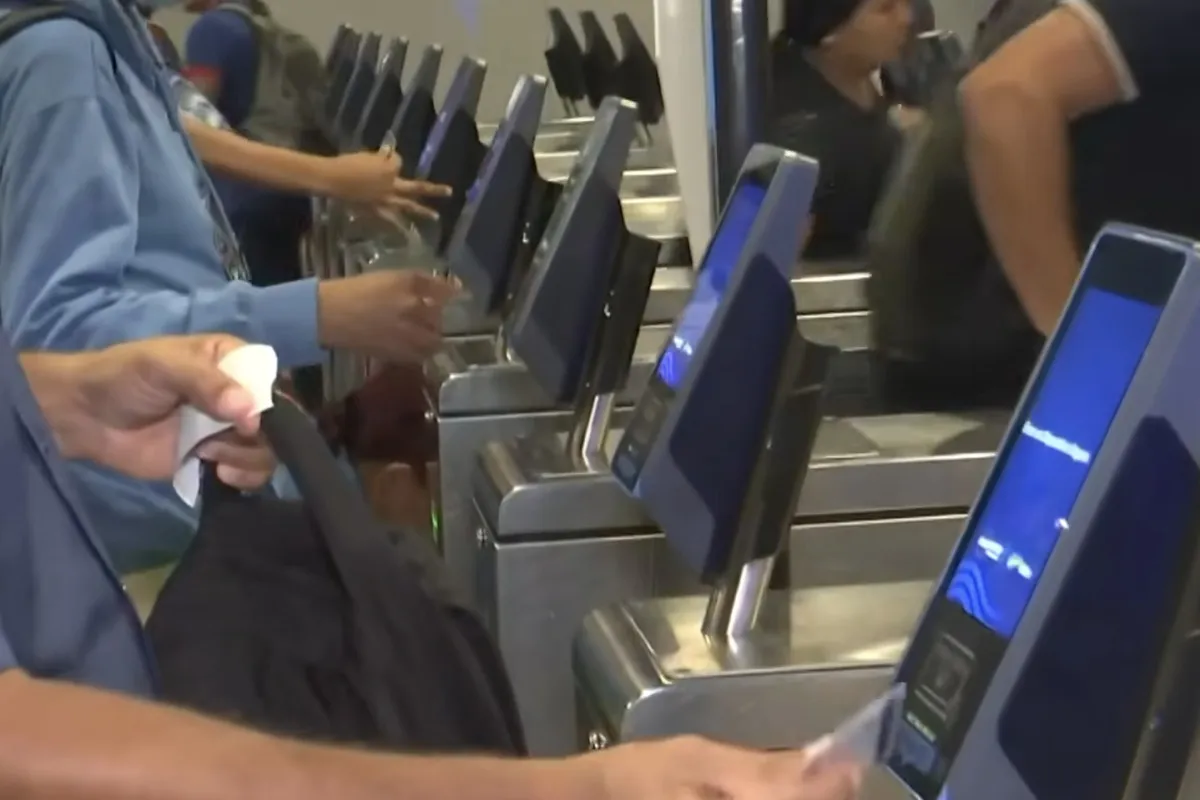
Seven days into the rollout of new Panama Metro validators, transit officials report the system is finding its footing after a turbulent start that frustrated thousands of daily commuters. Riders faced sluggish card readings, confusing balance displays, and bottlenecks at station entrances during the initial days of operation, though maintenance teams now say validation speeds are approaching normal levels.
Card Remapping Adds Seconds to Daily Commutes
The heart of the slowdown stems from what engineers call a remapping process. Yamir Araúz, maintenance chief for the Panama Metro, explained that some fare cards must undergo an internal update to recognize and work with the new technology. That recognition procedure tacks on roughly two to three extra seconds per validation. It doesn’t sound like much, but multiply those seconds across thousands of passengers streaming through turnstiles at peak hours and the result is visible queues.
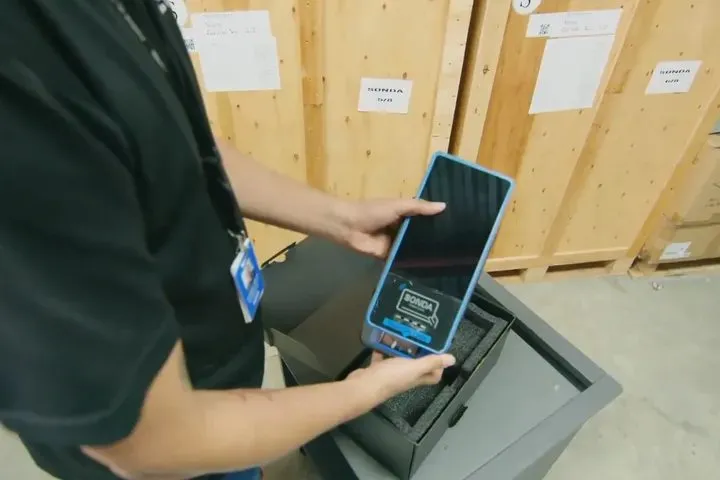
Araúz said Monday and Tuesday brought the most noticeable glitches, tied directly to the new platform’s learning curve. By midweek, validation times had improved substantially. The official stressed that once cards complete their remapping, the system should settle into the normal rhythm riders expect, with each validation taking no more than two or three seconds.
Balance Confusion and the Double Charge Question
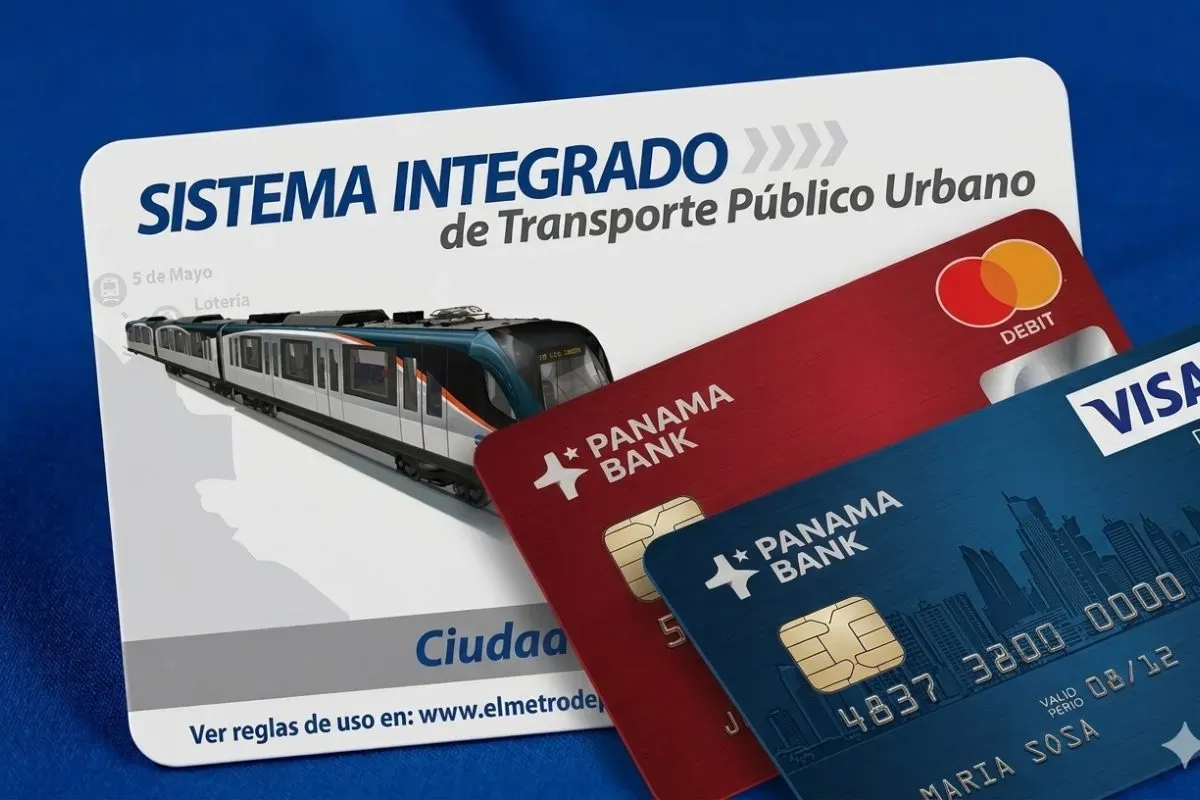
Beyond the delays, passengers voiced confusion over what the new Panama Metro validators actually display. Many questioned whether the system was deducting fares twice after seeing one amount at entry and a different figure upon exit. Araúz cleared up the misunderstanding with a simple example. A rider carrying five dollars on their card will see that five-dollar balance flash when entering the station. The actual fare deduction only appears during exit validation.
Fares remain unchanged at 35 cents for Line 1 and 50 cents for Line 2. Officials encouraged anyone who spots a discrepancy in their charges to visit the specialized service centers located throughout both lines. Those centers have become central to the transit agency’s effort to identify problem points, since rider complaints help maintenance crews pinpoint exactly where adjustments are needed.
Gradual Stabilization Strategy for Panama Metro Validators
Rather than pushing a mass fix across the entire network, the Metro has adopted a deliberately cautious deployment strategy. Araúz described a controlled rollout happening station by station and validator by validator. The logic is straightforward. If technicians modified every device simultaneously, a single error could cascade across the whole system. By updating in small batches, teams can isolate and correct problems as they emerge.
That approach explains why some turnstiles operated flawlessly during the first week while others forced riders to seek help at service windows. The Metro’s technical staff has been meeting daily with contractor Sonda to review performance data and schedule the next round of fixes. These high-level sessions focus on identifying recurring failure patterns and deploying corrections without disrupting active service.
Rider Adaptation and the Road Ahead
The transit agency has been candid about the adjustment period.
“The adaptation process has definitely been a bit cumbersome” [Translated from Spanish]
Araúz acknowledged, while expressing confidence that acceptance will grow as passengers become familiar with the platform’s benefits. The new system represents a significant technological leap for Panama’s public transit infrastructure, one that officials believe will pay dividends once the friction subsides.
For now, commuters are urged to report any irregularities at station service centers rather than simply enduring them. Each complaint feeds into the diagnostic process, helping technicians understand where the validators are struggling and what specific fixes are required. The Metro’s daily monitoring suggests the system is trending in the right direction, with fewer incidents reported as the week progressed.
In summary, the first week of the new Panama Metro validators served as a real-world stress test that exposed predictable integration challenges. The remapping requirement, balance display confusion, and uneven validator performance all trace back to a single source, a massive technology transition executed across a network that moves thousands of people every hour. The gradual, station-by-station correction strategy may frustrate riders hoping for an immediate fix, but it reflects a deliberate effort to avoid compounding one set of problems with another. As the weeks unfold, the true measure of success will be whether validation times hold steady and passenger confidence in the fare system is fully restored.