


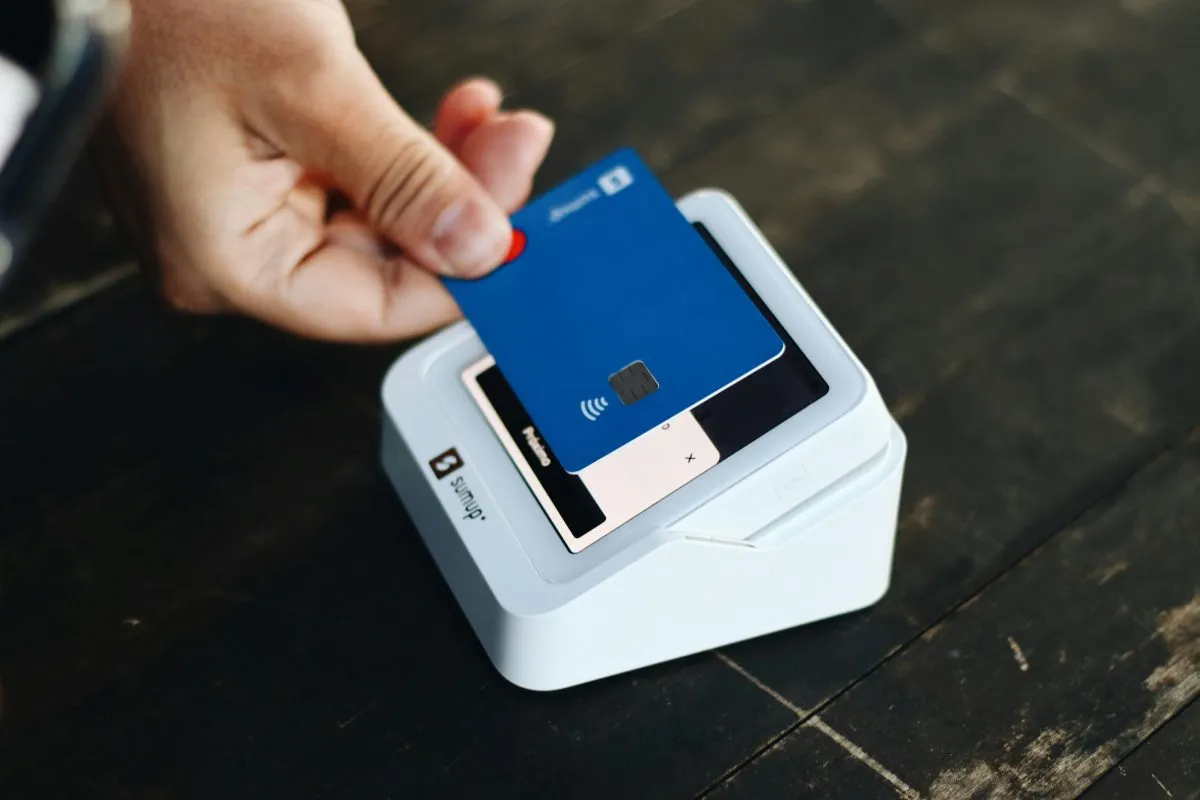
“I’ve had zero problems,” a commuter said, tapping her card on one of the sleek new Metro Payment validators at San Miguelito station. “It reads correctly and charges only once.” Her experience captures the cautiously optimistic mood on the ground, even as social media feeds overflow with complaints of double charges and system glitches. More than a month after Panama City began installing new Metro Payment validators across its public transport network, the modernization push is drawing both applause and sharp criticism, fueling a debate about whether the tech overhaul is truly ready for daily life.
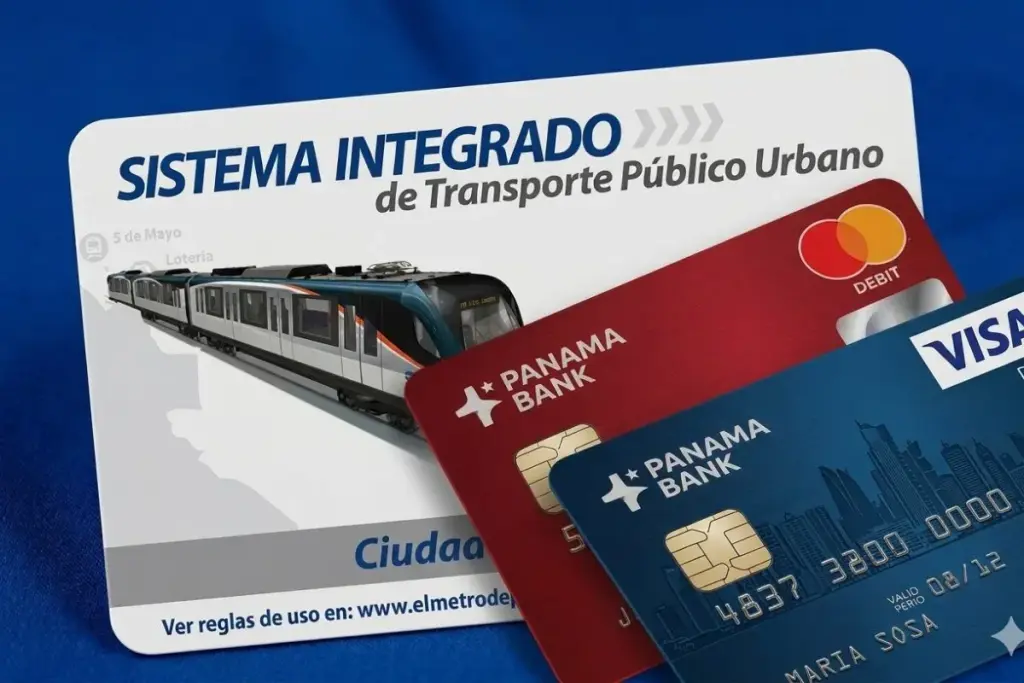
Real-World Performance of New Metro Payment Validators
The rollout started on June 23, with crews placing the devices in Metro stations, pay zones, and Metrobuses. During a recent visit to San Miguelito, one of the busiest hubs, most passengers interviewed said the new equipment worked smoothly. A key upgrade they pointed to repeatedly was the screen displaying remaining card balance, a feature the older machines lacked. That transparency helps riders track their fares in a system where a single trip costs 35 cents, and tight budgets leave little room for surprise deductions.
“The truth is, I place my card and haven’t had any problem. It reads it correctly and charges me just once,” another passenger explained [Translated from Spanish].
Others admitted the validation process takes some getting used to. The tap point and screen layout are different, and a few riders still fumble before finding the right spot. Beyond those small learning curves, the dominant narrative at the station was one of relief. That didn’t match the flood of angry posts popping up online, where users shared screenshots and stories of alleged overcharges.
Tackling Double Charges and System Glitches
Dig into the complaints and a pattern emerges. Several passengers said they were hit with a 70-cent fare instead of the standard 35 cents, essentially paying twice for one ride. Word of mouth magnified the reports, and soon the new Metro Payment validators were being labeled as faulty in group chats and comment sections. Local news teams began hearing the same thing, prompting a closer look at how the system handles errors. Metro Panama acknowledged the noise and offered a practical counterpoint. Every station, they noted, operates multiple turnstiles. If one validator fails, the remaining machines stay online, keeping the flow of travelers from grinding to a halt.
Behind the scenes, supervision doesn’t stop. Staff monitor stations constantly, and the moment a glitch is spotted, the response kicks in. Technicians from contractor Sonda are dispatched to get the troubled unit working again as fast as possible. The company has its hands full. Over 3,000 new Metro Payment validators have to be in place by mid-August, according to the project timeline, and the installation team is spending long days in the field. That’s why Sonda told media outlets it couldn’t offer an immediate spokesperson, because its field personnel were busy getting hardware mounted and tested.
Official Reassurances and Customer Service Options
For riders who encounter problems, the path to a fix goes through the customer service centers inside Metro stations. Anyone hit with a wrong fare, a card that won’t validate, or a turnstile that simply won’t open can walk up to a desk, explain the situation, and expect follow-up. Metro officials stressed that each case gets evaluated individually, avoiding blanket denials that could erode trust further.
“When we detect a malfunction, we coordinate immediately with Sonda to restore the equipment in the shortest possible time,” a Metro Panama representative explained [Translated from Spanish].
The promise of quick repair dovetails with the bigger picture: the payment upgrade isn’t happening in isolation. It’s the foundation for a wave of digital features that could reshape how the city moves. Until those arrive, Metro wants passengers to know that physical redundancy and on-site staff are the safety nets keeping daily travel from descending into chaos.
Next Phase: Online Top-Ups and Full System Deployment
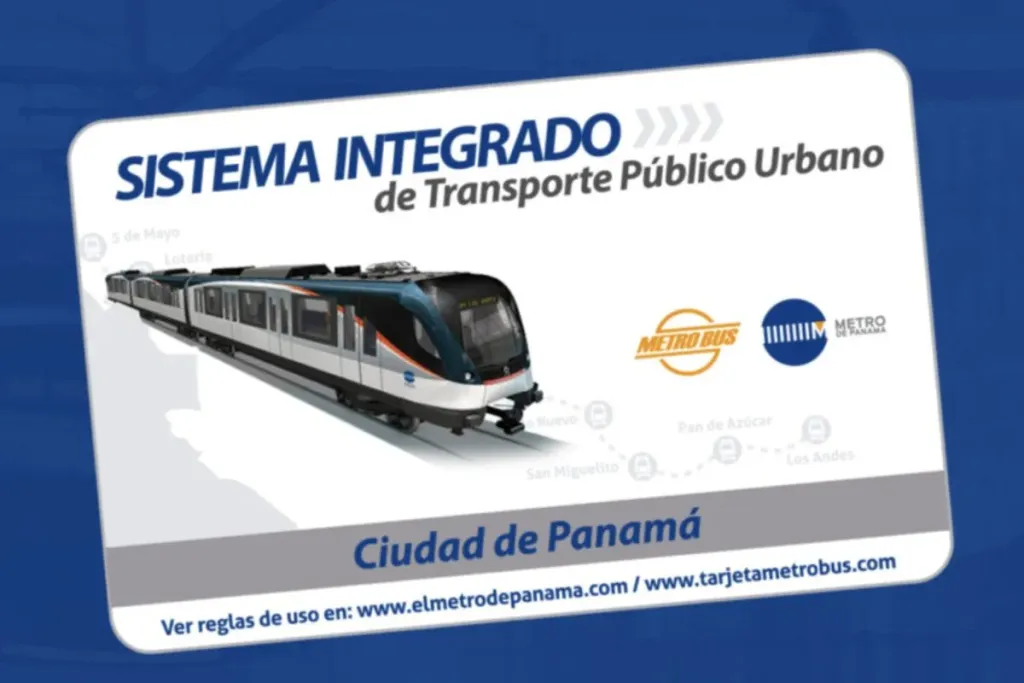
Come mid-August, when the last of the 3,000 validators clicks into place, the system will unlock something riders have wanted for years. A new online banking integration will let users load their cards from a phone or computer and then head straight to the turnstile. No more detouring to a separate machine just to confirm a recharge after paying online. For thousands of commuters who currently juggle cash and dedicated top-up stops, that’s a genuine leap forward.
The workhorse behind the scenes, Sonda, is racing to meet that deadline. While some riders remain skeptical, the combination of visual balance checks, roaming supervisors, and the looming online convenience suggests the pain points might be temporary growing pains. The true verdict on Panama’s new Metro Payment validators won’t be written in the first six weeks of a massive hardware swap, but in the months that follow, when the online tools go live and the reliability record thickens. Until then, the debate between frustrated social media posts and satisfied station interviews will keep unfolding, much like the network itself.