


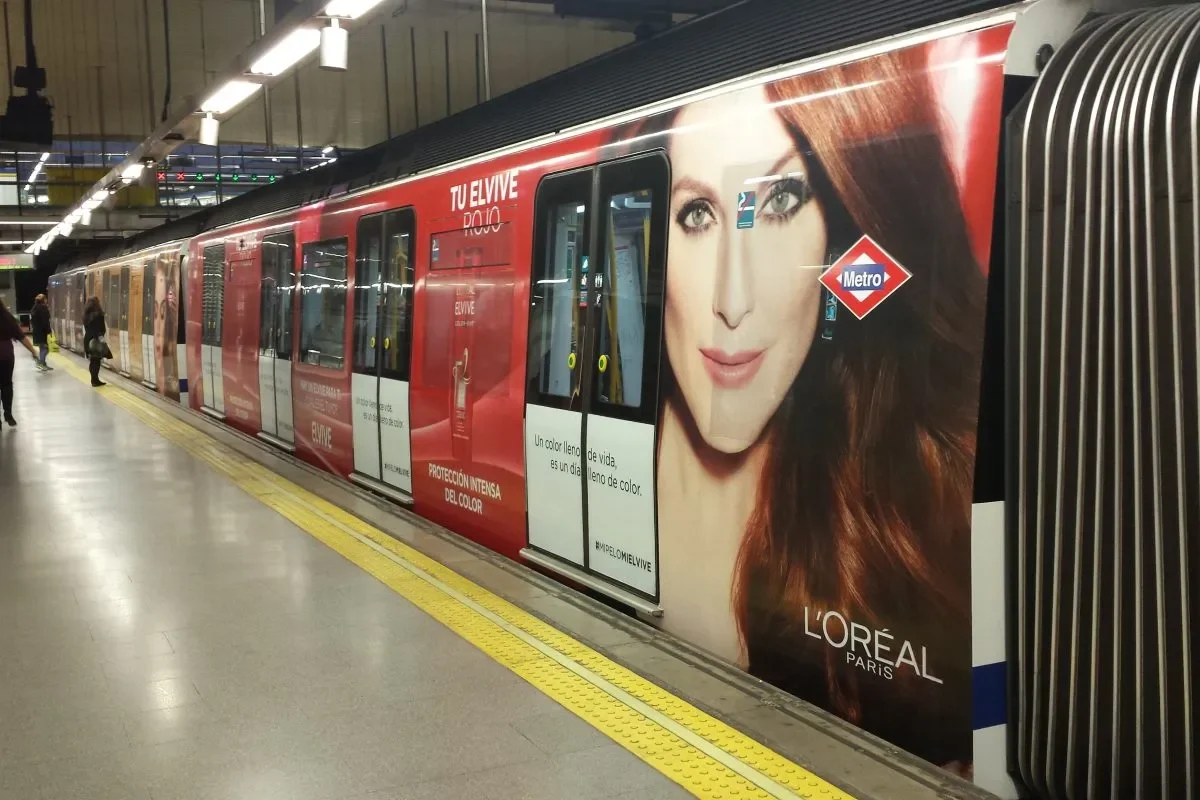
A new commercial concession set for the Villa Zaíta interchange will test how aggressively Panama Metro can monetize its growing network, even as the system already pulls in roughly $5 million each year from Panama Metro advertising revenue and other non-fare channels, company figures show. The deal, expected to be awarded before the end of 2026, bundles parking management with 600 square meters of retail space and all advertising assets at one of Line 1’s busiest transfer points.
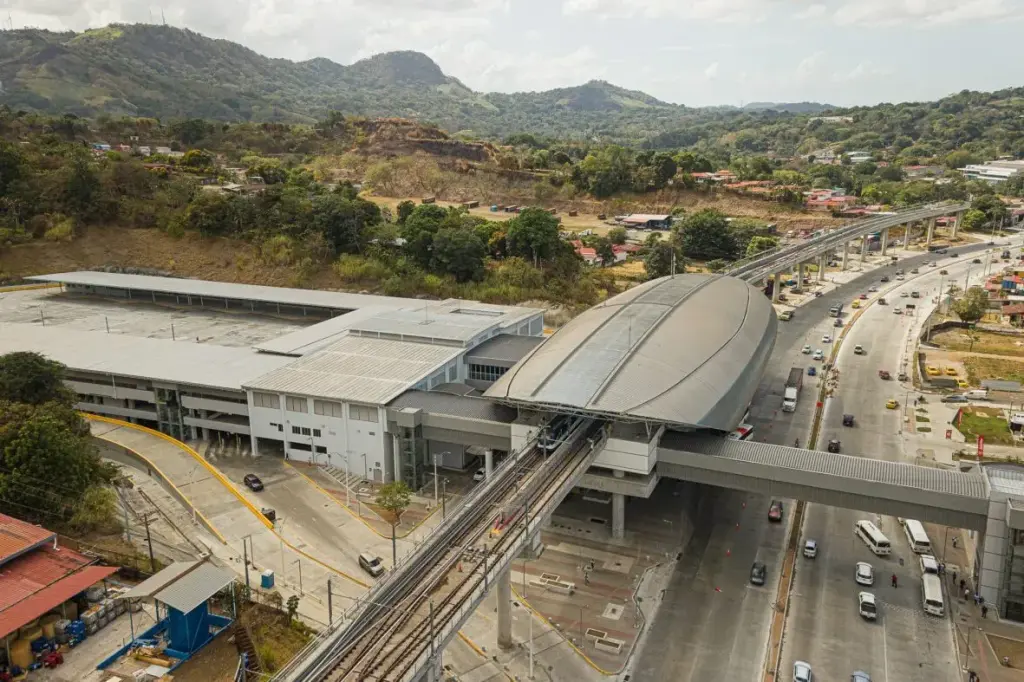
Panama Metro Advertising Revenue and Other Income Sources
Not all of the metro’s income comes from ticket counters. Advertising plastered across station walls and train interiors delivers the biggest slice of non-fare cash, supplemented by ATM placements from several state and private banks and fees from leasing out excess fiber optic capacity. Together these streams generate around $5 million annually, according to the Metro’s Operations and Maintenance Directorate. When fused with the farebox haul, total receipts approach $56 million a year.
That secondary income is no side note. It buys critical breathing room for a network that moves roughly 440,000 passengers every weekday. Officials say the money flows straight into infrastructure upkeep, station cleaning routines, and the everyday reliability that keeps so many Panamanians choosing transit over gridlocked highways. In global metro systems from London to Santiago, advertising inside trains and on platforms has long been a financial backbone, and Panama is no exception.
Yet fare collection alone cannot sustain the enterprise. Operational expenses surpass $116 million each year. The roughly $56 million generated from all fare and non-fare sources covers about half of that, while the remainder , close to $60 million , gets plugged by an annual injection from the national budget. That split makes every dollar of Panama Metro advertising revenue a cushion against deeper public subsidies.
Villa Zaíta Parking and Retail Concession Details
Anchored next to Line 1’s Villa Zaíta station, the interchange already serves as a car-to-train hub. Now the state-owned transit operator wants a private partner to take over its parking lots and, more importantly, to exploit 600 square meters of freshly demarcated commercial space. The concession contract will let the winner sell advertising inside the interchange too, layering fresh revenue atop the existing streams.
Bidding documents have been prepared, and the timeline calls for an award before the calendar flips to 2027. The goal is not just to offload maintenance costs. Officials want the concessionaire to produce enough income to self-finance the interchange’s day-to-day operation while funneling extra cash upward to the broader metro system. It is a test case for whether commercializing station real estate can work at scale in Panama.
If successful, the model could reshape how the city thinks about transit infrastructure. Instead of sterile transfer points, stations might gradually fill with cafés, convenience shops, and digital displays , all chipping in for cleaner platforms and more frequent train intervals without constantly reaching for taxpayer money.
Line 3 and the Coming Expansion of Non-Fare Income
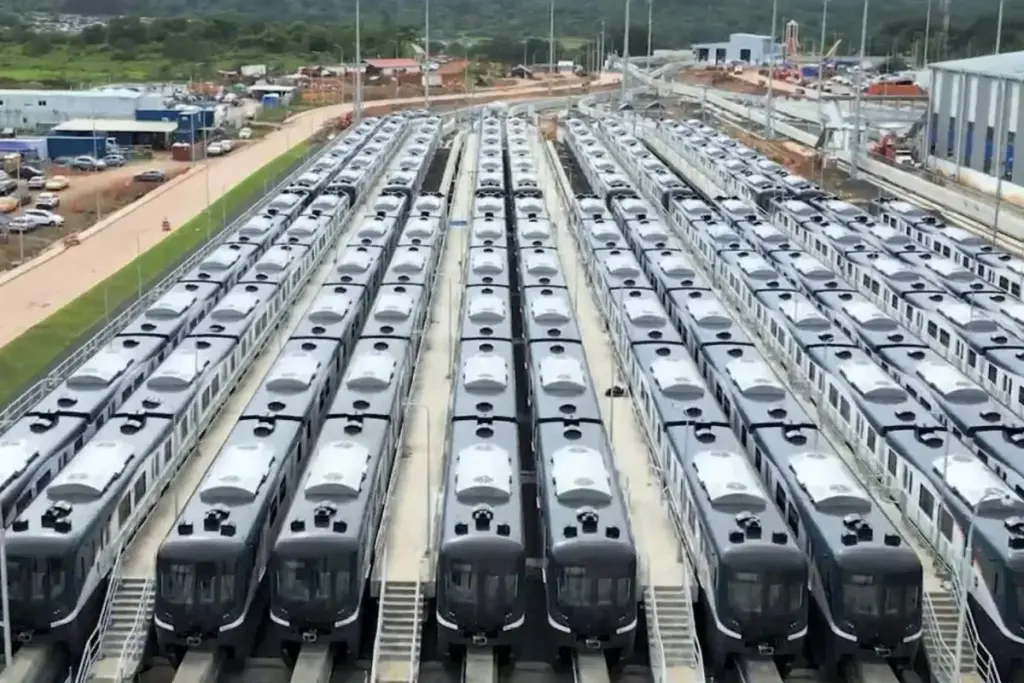
The experiment will not stay confined to Villa Zaíta. Planners are already designing the revenue playbook for Line 3, the 34-kilometer link now under construction that will stretch deep into Panama Oeste. Once the full network spans roughly 60 kilometers from Ciudad Futuro to the existing Lines 1 and 2, expected daily ridership on Line 3 alone could reach 160,000 passengers.
That swelling audience multiplies the value of every advertising panel and commercial nook. Metro officials have confirmed they will port over the proven mix , station and train ads, bank ATMs, telecom services , while scouting for new complementary services that can pay their own way. A forthcoming tender for a comprehensive fare study will define how an integrated ticket system will charge riders across the three-line network, but the broader strategy is clear: Panama Metro advertising revenue and similar non-fare sources must grow in lockstep with the system’s physical footprint.
The transit operator’s own data underscore why. Annual operating costs will almost certainly swell beyond the current $116 million once Line 3 starts humming, and political appetite for ever-larger budget transfers is never guaranteed. Diversifying income is partly about fiscal prudence and partly about insulating the service from the unpredictability of single-year government allocations.

Financial Sustainability Beyond the Farebox
Metro networks everywhere wrestle with a stubborn math problem: ticket prices that passengers can afford rarely cover the true cost of running a safe, modern railway. In Panama that gap has been bridged by a roughly fifty-fifty split between self-generated income and state support. But the Villa Zaíta concession and the deliberate weaving of commercial logic into Line 3’s design hint at a deeper ambition , shrinking the subsidy share over time.
“These resources are fundamental to guarantee the maintenance of infrastructure, the cleaning of stations, and the continuity of service,” the Operations and Maintenance Directorate said of the current non-fare income streams. [Translated from Spanish]
Behind that statement sits an unspoken truth: every colonnade stuffed with a sponsor’s logo or a revenue-generating ATM means less pressure on the public treasury. As the network matures, the mechanics of advertising sales, retail leases, and even fiber optic agreements could become as vital to daily operations as the electricity that powers the trains. The $5 million flowing in today from Panama Metro advertising revenue and
sources is not a ceiling , it is a floor that the Villa Zaíta deal and Line 3 are meant to raise.
With the concession award due within sixteen months and the western expansion advancing, Panama’s transit agency is quietly constructing a financial architecture that aims to keep the trains running without an ever-heavier reliance on taxpayer bailouts.