


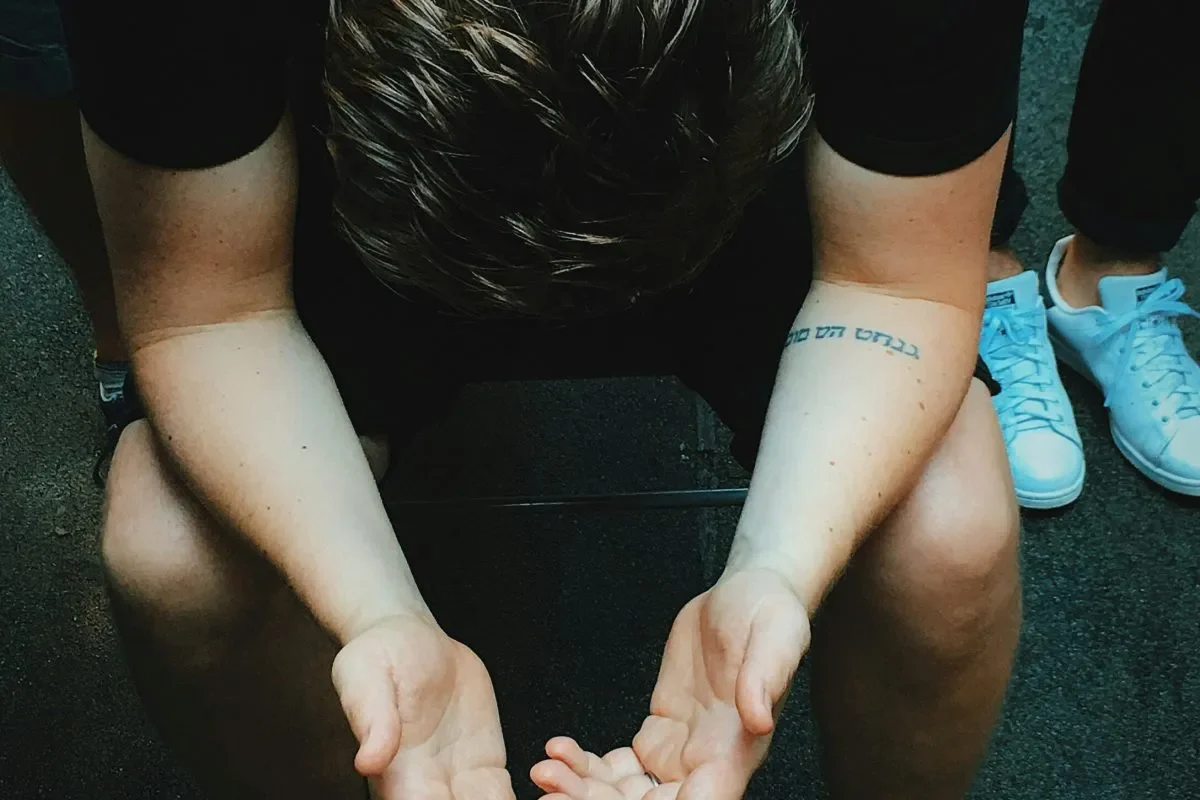
In a country where conversations about psychological wellbeing were long confined to whispers, the latin america has surged to its most alarming level in recent history. Official figures from the National Institute of Statistics and Census (INEC) show that 615 people died by suicide in Panama between 2020 and 2024, a staggering 73% increase that pushed the annual toll from 93 cases at the start of the period to 161 by the end. The numbers offer more than a health statistic. They trace a silent crisis that public officials now admit the healthcare system is ill-equipped to handle, largely because the people most at risk are the ones least likely to ask for help.
Men accounted for 87.4% of all suicide deaths during those five years, a proportion that has held steady even as the total count climbed. In 2024 alone, 142 of the 161 victims were male, while just 19 were female. Young adults between 20 and 24 years old registered the highest number of deaths that year, with 20 cases. The pattern forces an uncomfortable reckoning with the ways Panamanian society shapes masculinity, silences vulnerability, and leaves entire segments of the population without the tools to cope. Below those surface numbers, the data exposes a public health landscape where the demand for mental health services far outstrips the supply of professionals trained to deliver them.
Panama Suicide Rate Disparity Exposes Deep Cultural Fault Lines
Behind the lopsided gender ratio sits a constellation of pressures that clinical psychologist and researcher Virginia Torres-Lista describes as inseparably social, cultural, and psychological. She argues that the way men are raised in Panama creates a nearly insurmountable barrier to seeking treatment. The dominant message, she noted, is that a man must be strong, solve his own problems, and hide any emotion that could be read as fragility. Many internalize this so thoroughly that admitting to depression or anxiety feels like an admission of personal failure.
“Saying that a man is going through depression and anxiety is synonymous with weakness. This makes them attend the health system less and means that diagnostic statistics do not reflect 100% of our reality.” [Translated from Spanish]
Torres-Lista’s assessment aligns with a broader Latin American pattern, though the Panama suicide rate stands out for its intensity. While global data from the World Health Organization typically show men dying by suicide at roughly twice the rate of women, Panama’s figures reveal a gap that is far wider, with men representing nearly 90% of victims. The psychologist links this chasm to cultural constructions of masculinity that discourage emotional expression from childhood. Boys and adolescents, she explained, often reach a crisis point without ever having learned to name what they feel or to believe that asking for support is permissible. The silence that surrounds male distress becomes, over time, a risk factor in its own right.
What makes the situation especially difficult to address is that mental health disorders do not discriminate by gender in the same way suicide does. Ministry of Health records from 2020 to 2024 registered 666 cases of mental and behavioral disorders, split almost evenly between men and women: 344 male cases and 322 female cases. That near-parity in clinical encounters underlines a paradox. Women and men appear at health facilities with similar frequency, yet men keep dying at a dramatically higher rate. The mismatch hints at gaps in how care is delivered, how men present their distress, and whether standard diagnostic tools capture the ways male psychological pain commonly manifests. Torres-Lista cautioned that official numbers probably underestimate male suffering, since many men never reach a consultation room in the first place.
A Health System Unprepared for the Growing Crisis
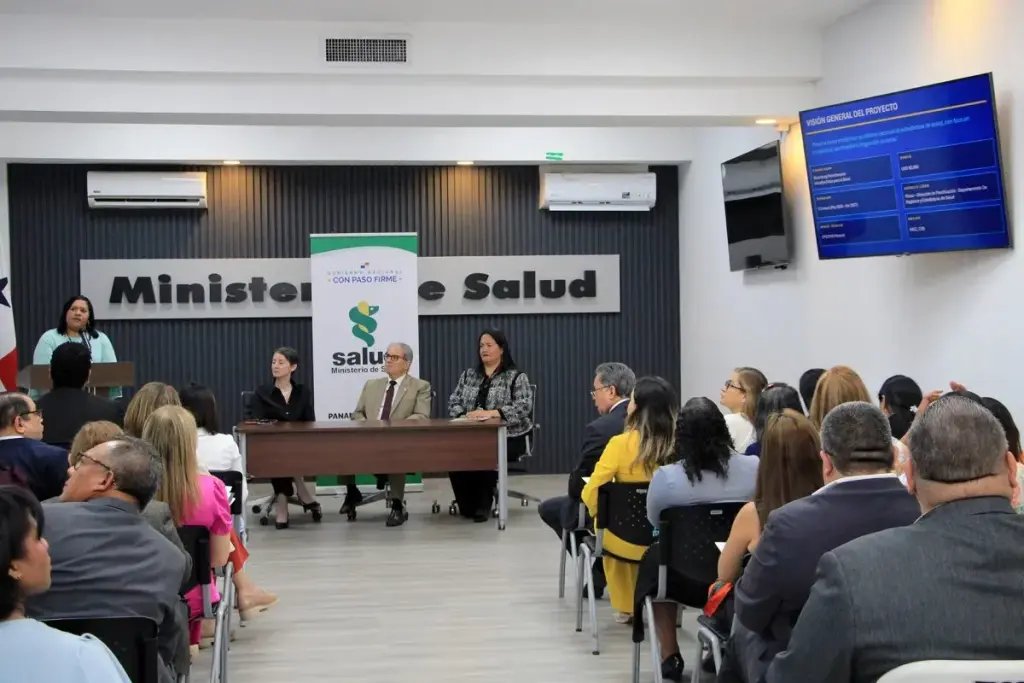
While the Panama suicide rate accelerates, the public health network has been left scrambling. The Ministry of Health (Minsa) openly acknowledges that it does not have enough mental health specialists to meet the population’s needs. Roberto González De La Lastra, Minsa’s national head of mental health, said the data compel authorities to design targeted prevention strategies aimed especially at young and adult men. But the gap between that intention and everyday reality remains wide. He noted that differences in how men and women seek help and engage with services must be factored into any effective policy, though the system currently struggles just to maintain basic coverage.
“These numbers show the need to develop differentiated strategies, particularly aimed at young men and young adults.” [Translated from Spanish]
Adding to the difficulty is a conspicuous absence of local data on what actually drives individuals to take their own lives. Panama has yet to conduct a national psychological autopsy study, a type of investigation that retrospectively pieces together the mental state, life circumstances, and warning signs of those who died by suicide. Without it, much of the analysis relies on international scientific literature rather than on findings rooted in Panama’s own communities. González De La Lastra conceded that many of the explanations being used are drawn from global research, not from a domestic investigation that could pinpoint the specific triggers and pressures operating in Panamanian society. The lack of such a study hampers the creation of prevention programs that respond to local cultural and economic realities.
What the ministry does know comes from established risk factor lists that include previous suicide attempts, substance abuse, exposure to violence, social isolation, financial hardship, and the stubborn stigma attached to seeking psychological help. But factors like unemployment and economic strain acquire a particular edge in a country where informal labor is widespread and social safety nets are thin. When a man loses his job or faces insurmountable debt, the culturally imposed expectation to be the provider and to absorb hardship without complaint can turn an already precarious situation into a lethal one. The ministry’s acknowledgment of these dynamics, But, has not yet translated into a large-scale redeployment of resources or a rapid expansion of community-based mental health services.
Prevention Efforts and the Long Road Ahead
For all the alarm the statistics provoke, they have also nudged the conversation about mental health into more public spaces. Torres-Lista insists that talking about psychological wellbeing is not a matter of gender but a basic right and a collective responsibility. She sees signs that younger generations are slightly more open to questioning the old scripts about masculine stoicism, but warns that the change is far too slow to alter the trajectory of the Panama suicide rate in the near term. Reports from schools and community organizations describe children and teenagers who still struggle mightily to voice emotional distress, a pattern that, if unaddressed, replicates the same vulnerabilities in adulthood.
González De La Lastra and his team maintain that suicide is a multifactorial phenomenon and that no single intervention will be sufficient. The ministry identifies individual, family, social, and community-level elements that can heighten a person’s risk, from mental disorders and problematic alcohol use to systemic barriers that make professional help inaccessible or unaffordable. Efforts are underway to strengthen primary care detection and to train non-specialist health workers to recognize warning signs, but these programs operate at a scale that barely registers against a crisis of this magnitude. The shortage of psychiatrists, psychologists, and social workers in the public system means that many people who do seek help are met with long waiting lists or are turned away entirely.
The cultural dimension remains the hardest to reach through policy alone. Years of messaging that equates emotional restraint with strength do not unravel quickly, and many men will continue to suffer in silence before they ever set foot in a clinic. Torres-Lista emphasized that meaningful prevention must begin in childhood, with families and schools creating environments where boys can articulate sadness, fear, and anxiety without being shamed. That kind of generational shift, she noted, requires more than public service announcements. It demands a sustained societal effort that challenges the very foundations of how masculinity is defined.
In summary, the numbers that chart the Panama suicide rate tell a story of quiet desparation concentrated overwhelmingly among men. The 615 deaths in five years are not simply a data point but a reflection of a system and a culture that have yet to provide a reliable path toward healing for those who need it most. While the ministry has begun to name the problem and promise differentiated strategies, the distance between recognition and action remains vast. Closing that distance will require not just more clinicians and better research but also a profound rethinking of what it means to be well, to be vulnerable, and to be a man in contemporary Panama.