


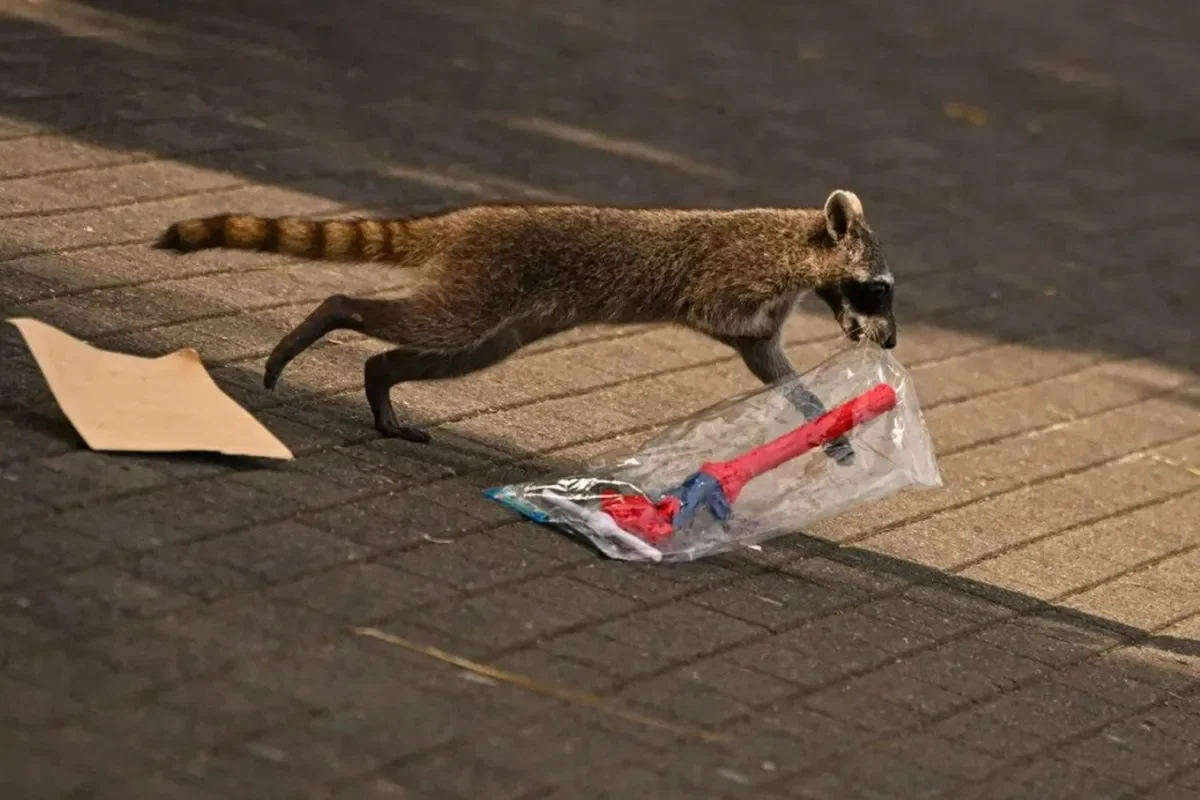
A female raccoon and her young were recorded engaging in a brazen act of raccoon stealing food from a vendor stall along Panama City’s Cinta Costera, snatching a bag of chips while the seller slept. The incident occurred at the popular coastal promenade and has since circulated widely on social media, drawing both amusement and concern from residents.
The animal climbed quietly onto the box where snacks were stored, grabbed a single bag, and fled before anyone could intervene. Bystanders attempted to wake the vendor by shouting, but the raccoon had already escaped with its prize.
Los mapaches haciendo de las suyas en la Cinta Costera. https://t.co/sB9tYS2Ypr
— Noticias En Desarrollo (@NEndesarrollo) October 31, 2026
Raccoon Stealing Food Highlights Urban Wildlife Conflict
Moments after the theft, the raccoon was spotted nearby eating from the stolen bag. The scene underscores a growing pattern of wildlife adapting to urban environments in Panama, where green spaces like the Cinta Costera intersect with food vendors and heavy foot traffic.
Environmental authorities have repeatedly warned that raccoons are wild animals and should not be fed by humans. Processed snacks such as chips can harm their digestive systems and lead to long-term health problems. More critically, feeding or tolerating this behavior teaches raccoons to associate people with easy meals, increasing the likelihood of future encounters.
Why Officials Warn Against Feeding Wild Raccoons
When raccoons learn to scavenge from vendors or trash bins, they become bolder and less fearful of humans. This can lead to property damage, aggressive encounters, and the spread of disease. Wildlife experts stress that keeping food sealed and disposing of waste properly reduces these conflicts.
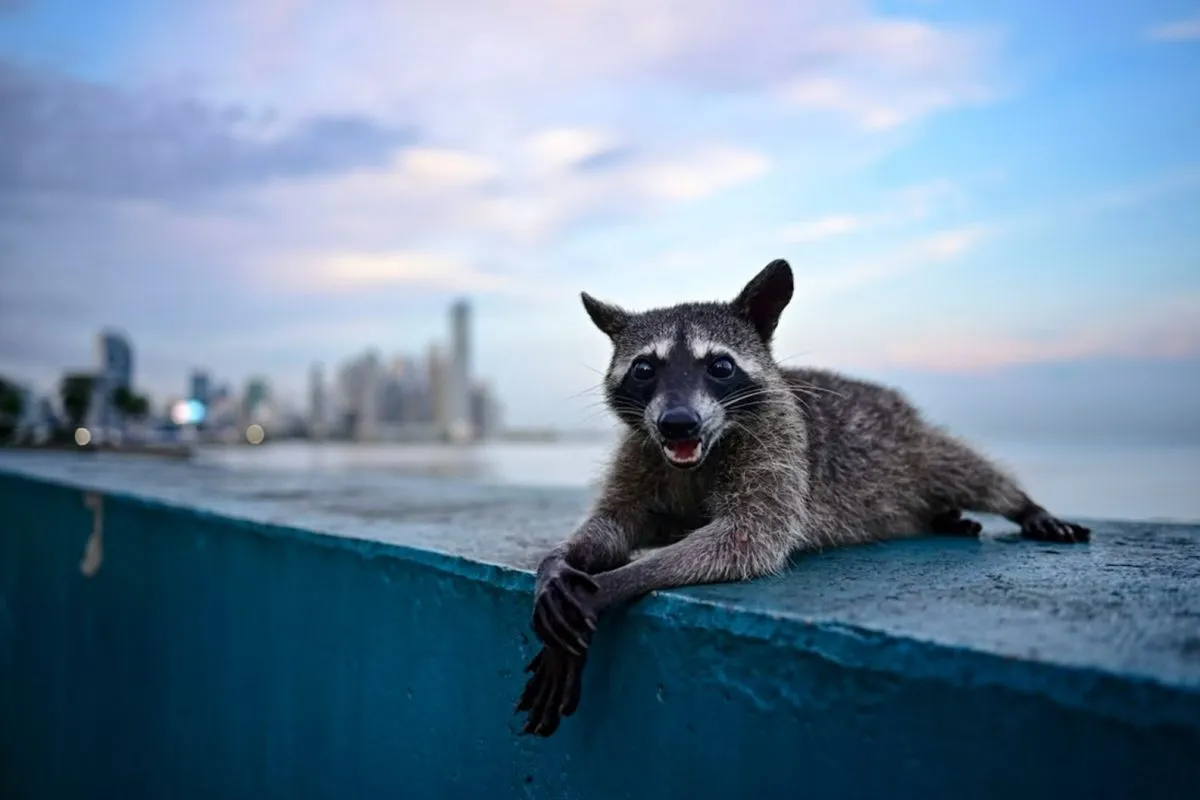
The Cinta Costera incident is not isolated. Similar reports of raccoons approaching food stalls have emerged in other Latin American cities, reflecting a regional challenge as urban expansion encroaches on natural habitats. Officials urge the public to observe wildlife from a distance and report unusual behavior to local authorities.
Community Response and Next Steps
Reactions online have ranged from laughter at the raccoon’s cleverness to concern for the vendor’s lost inventory. Some commenters noted that the mother raccoon was likely searching for food to feed her young, a reminder of the pressures wild animals face in urban settings.
Authorities have not announced any specific measures for the Cinta Costera area, but they continue to emphasize public education about coexisting with wildlife. For now, the image of a raccoon making off with a bag of chips remains a vivid example of nature adapting to city life.