


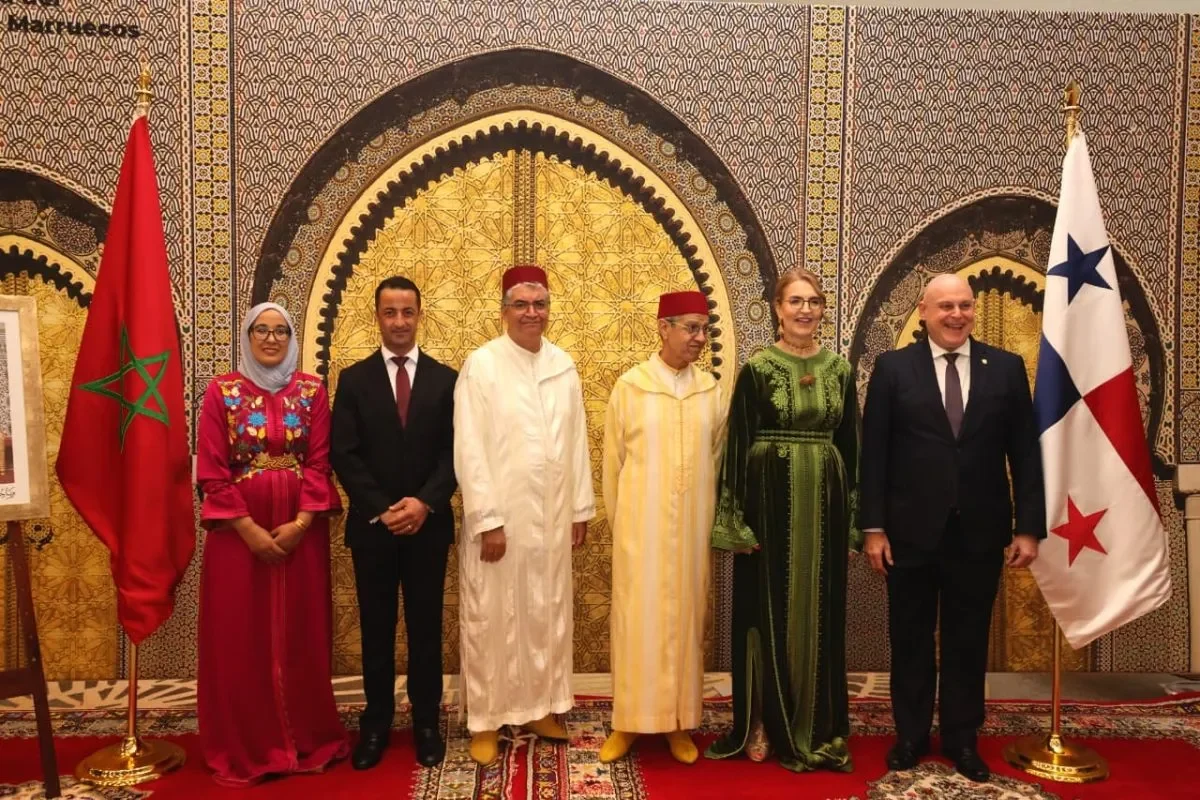
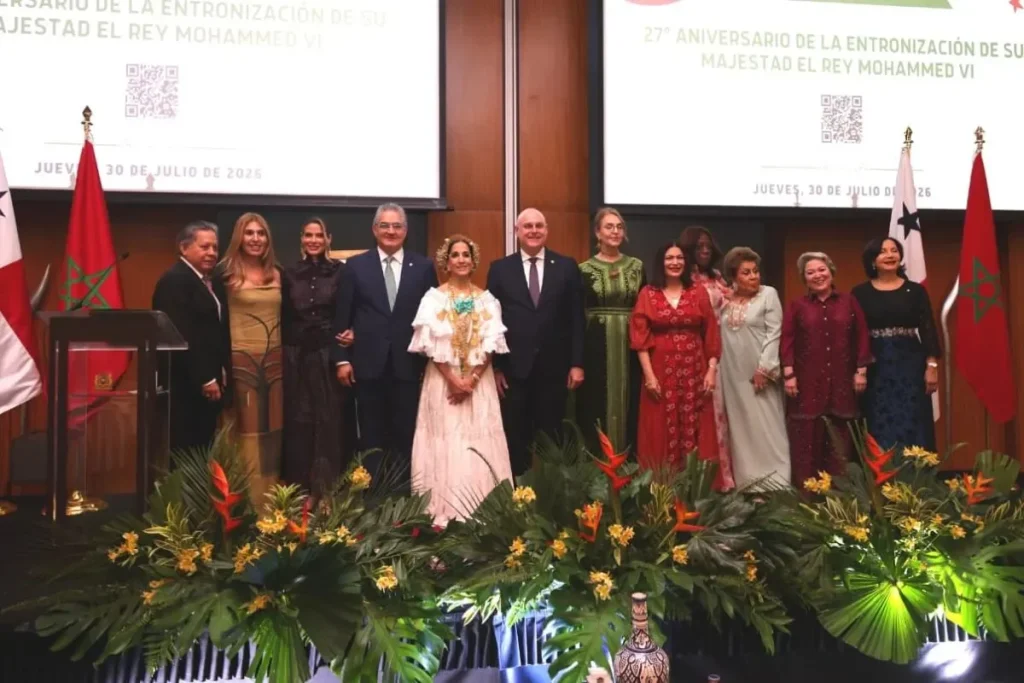
The Panama friendship with Morocco on Throne Day took center stage in early August as officials gathered to commemorate the 27th anniversary of King Mohammed VI’s ascension to the throne. Acting Foreign Minister Carlos Guevara Mann led the ceremony, sending warm congratulations to the Moroccan monarch, government and people. The event became a platform to showcase a rapidly maturing bilateral relationship that now encompasses trade, agriculture, logistics and academic exchange.
Marking a quarter-century plus two years of the king’s reign offered Panama a chance to reflect on a partnership that has quietly gathered momentum over the past year. Behind the diplomatic niceties, concrete projects and high-level visits have reshaped what was once a largely symbolic connection into a practical, forward-looking alliance.
Panama Friendship with Morocco on Throne Day Marks New Cooperation Era
The Throne Day reception in Panama City celebrated achievements that would have seemed improbable just a few years ago. In May, a Panamanian delegation traveled to Rabat for the first-ever meeting of the Political Consultation Mechanism between the two nations. That milestone was immediately followed by the Morocco-Panama Business Encounter, which opened doors for collaboration in trade, investment, logistics, sustainability and agricultural production.
“The Throne Day constitutes a key significant expressions of Moroccan national identity,” Guevara Mann told attendees. He stressed that both countries function as connectivity platforms between continents, a shared vocation that now drives a more ambitious dialogue. “This condition has allowed us to strengthen political dialogue and broaden cooperation in areas of common interest,” he added. [Translated from Spanish]
The May meetings produced more than photo opportunities. They established regular channels for government-to-government coordination and laid groundwork for private sector partnerships that both sides see as essential for post-pandemic economic recovery. Panama’s logistics expertise, anchored by the Canal, and Morocco’s industrial base anchored by phosphate and automotive sectors create natural synergies diplomats are eager to exploit.
Agricultural Support and Food Security Partnership
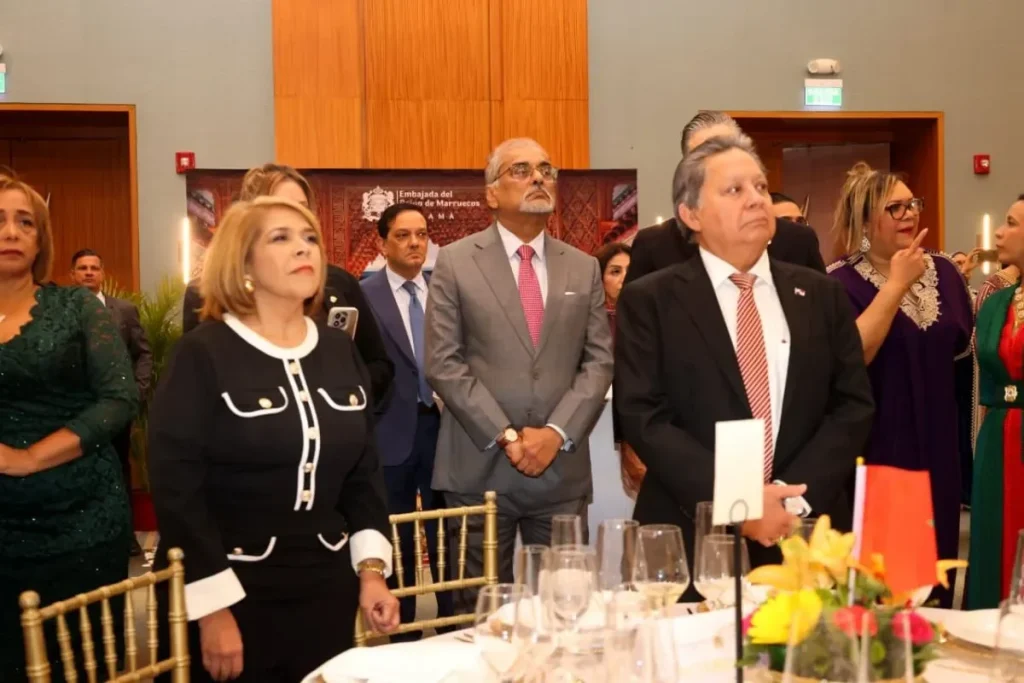
a key tangible outcomes of the warming ties arrived in the form of fertilizer. Morocco, through its state-owned OCP Group, stands as one of the world’s top phosphate and fertilizer exporters. The kingdom donated a significant shipment of fertilizer to support food security initiatives led by Panama’s Ministry of Agricultural Development. The contribution directly reinforces nutritional programs that serve vulnerable communities across the Central American nation.
Guevara Mann specifically highlighted the donation during his Throne Day remarks, calling it a demonstration of practical solidarity. Morocco has increasingly used its fertilizer abundance as a diplomatic tool, offering soil-nourishing products to African and Latin American countries grappling with rising food costs and disrupted supply chains. For Panama, a nation that imports most of its agricultural inputs, the gift carried symbolic heft and real economic value.
Agricultural cooperation is expected to deepen further. The two governments are exploring joint ventures in sustainable farming techniques and livestock management. Panama’s tropical climate and Morocco’s experience with arid-zone agriculture create a surprisingly complementary knowledge exchange, experts say. The discussions now include seed technology, irrigation efficiency and climate-resilient crop varieties.
Shared Connectivity Vision Drives Closer Diplomatic Ties
Beyond fertilizers and business forums, the two countries have found common ground in their self-perception as crossroads. Panama’s canal links the Atlantic and Pacific Oceans. Morocco’s location at the meeting point of Africa, Europe, and the Arab world positions it as a gateway for trade and migration. These identities are not lost on foreign ministries that increasingly frame diplomacy around infrastructure and connectivity.
During the Throne Day event, Guevara Mann thanked the Moroccan embassy for its active role in commemorating the bicentennial of the Amphictyonic Congress of Panama. The embassy contributed academic research on the early history of relations between Morocco and Latin America, illuminating ties that stretch back far longer than most people realize. That historical grounding added depth to a modern relationship that is now expanding into renewable energy, port management and logistics training.
The academic component matters. Panama’s bicentennial celebrations became more international thanks to Morocco’s participation, and the scholarly work presented helped reshape narratives about transatlantic connections. Officials on both sides express hope that universities and research institutes will build on this foundation, creating student exchanges and joint studies on topics ranging from maritime law to desert agriculture.
Forging a genuinely dynamic partnership requires more than summits and donations. It demands sustained political will and people-to-people contact. The Throne Day commemoration served as a reminder that Panama and Morocco intend to build exactly that type of relationship, one rooted in mutual respect and a shared commitment to practical results. As Guevara Mann put it, Panama remains dedicated to “continuing to strengthen the ties of friendship, mutual respect and an increasingly dynamic and fruitful cooperation for the benefit of both peoples.” [Translated from Spanish]