


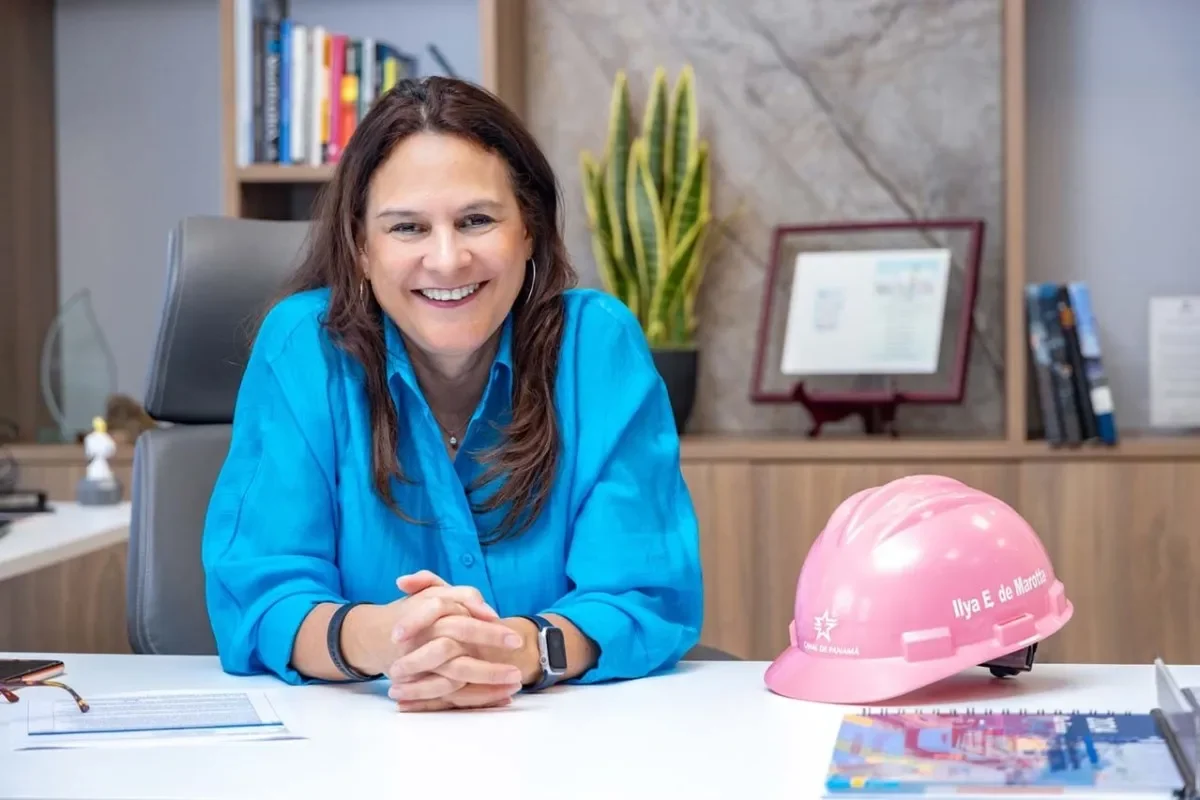
Three years ago, a punishing drought slashed more than 2,700 ship transits through the interoceanic waterway and strained drinking water supplies for millions of Panamanians. That crisis now anchors the agenda of Ilya Espino de Marotta, who officially assumed the administrator’s post on Saturday at the helm of Panama Canal leadership. Her swearing-in fell on the 49th anniversary of the Torrijos-Carter Treaties, lending the ceremony deep national significance.
A Four-Decade Engineering Journey
Espino de Marotta steps into the role after spending 41 years inside the organization, a trajectory that began in June 1985 when she joined as a temporary engineer at the repair dock. She admitted she never imagined she would one day run the entire waterway. The ascent makes her the first woman to administer the Canal, a distinction she framed not as a gender concession but as the product of decades of rigorous preparation.
“I did not get here because I am a woman; I got here because in 41 years I worked and prepared myself for this responsibility” [Translated from Spanish]
The statement reframed the historic nature of her appointment, emphasizing competence over symbolism. She went further, noting that Panamanian women don’t seek special treatment. Instead, they seek recognition for their capabilities, their education, and the double effort they shoulder daily between household duties and professional work. That perspective reflects a broader shift in the waterway’s identity after generations of exclusively male leadership.
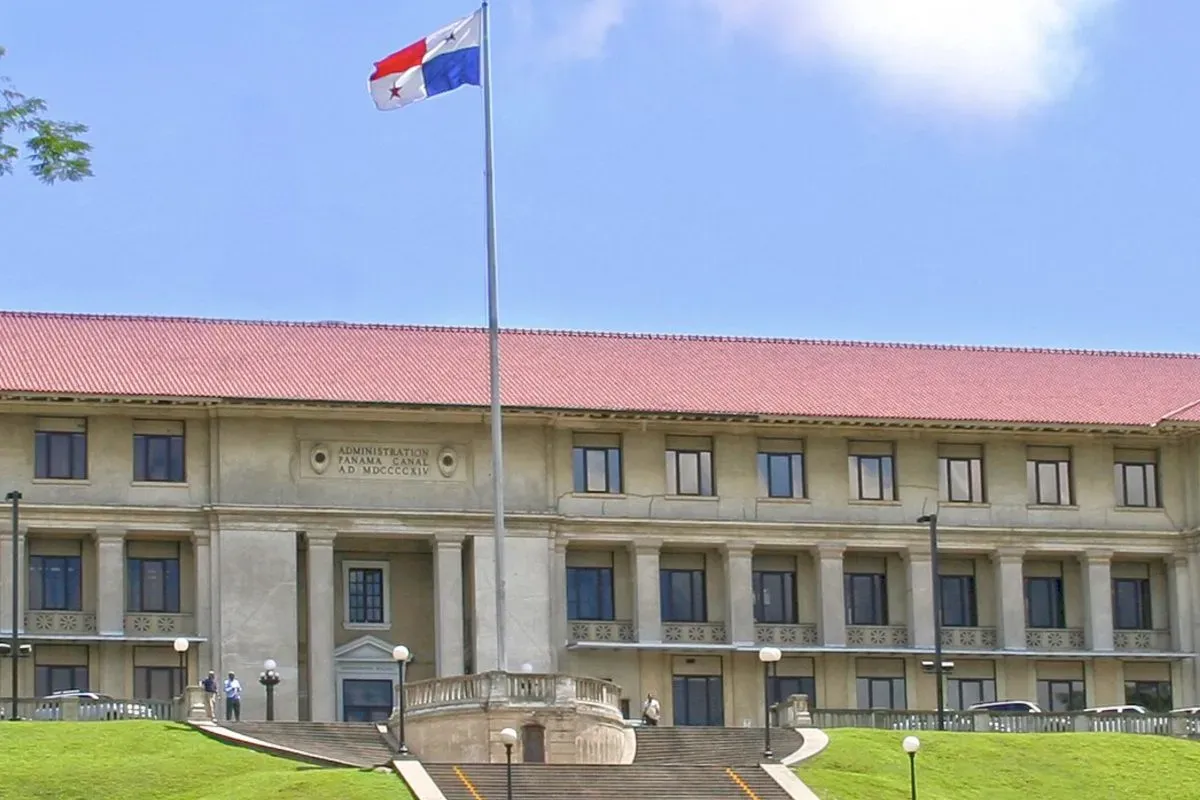
Water Security Defines New Panama Canal Leadership
Espino de Marotta identified water supply security as the single greatest challenge facing the interoceanic route over the coming years. More than two million Panamanians depend on the Canal’s watershed for drinking water, while global commerce relies on the locks functioning at full capacity. The drought three years ago served as a stark warning, forcing officials to cut more than 2,700 transits and disrupting water availability nationwide.
To address the vulnerability, the administrator said the Río Indio Lake development has consolidated as the nation’s most important infrastructure project. She emphasized that the initiative is being advanced through dialogue with communities across the watershed. Beyond water, the Canal will pursue strategic energy projects, upgrade logistics facilities, and advance port terminal designs at Corozal and Telfers to sharpen Panama’s competitive edge.
Institutional Strength and Financial Dividends
The new Panama Canal leadership inherits an institution whose constitutional framework, adopted three decades ago, has delivered outsized returns. Espino de Marotta credited that legal architecture with enabling the safe transit of more than 300,000 vessels, supplying potable water to a population that multiplied eightfold in the most populated regions, and welcoming over 10 million tourists.
The financial record tells an equally compelling story. The Canal has contributed more than $31 billion to Panama’s National Treasury under Panamanian administration, a figure 17 times greater than what the country received during 85 years of United States control. Espino de Marotta stressed that this model demands absolute ethical rigor.
“As an engineer I have learned that when you design a project there is no room for speculation or shortcuts.. every dollar we administer in this canal belongs to Panama” [Translated from Spanish]
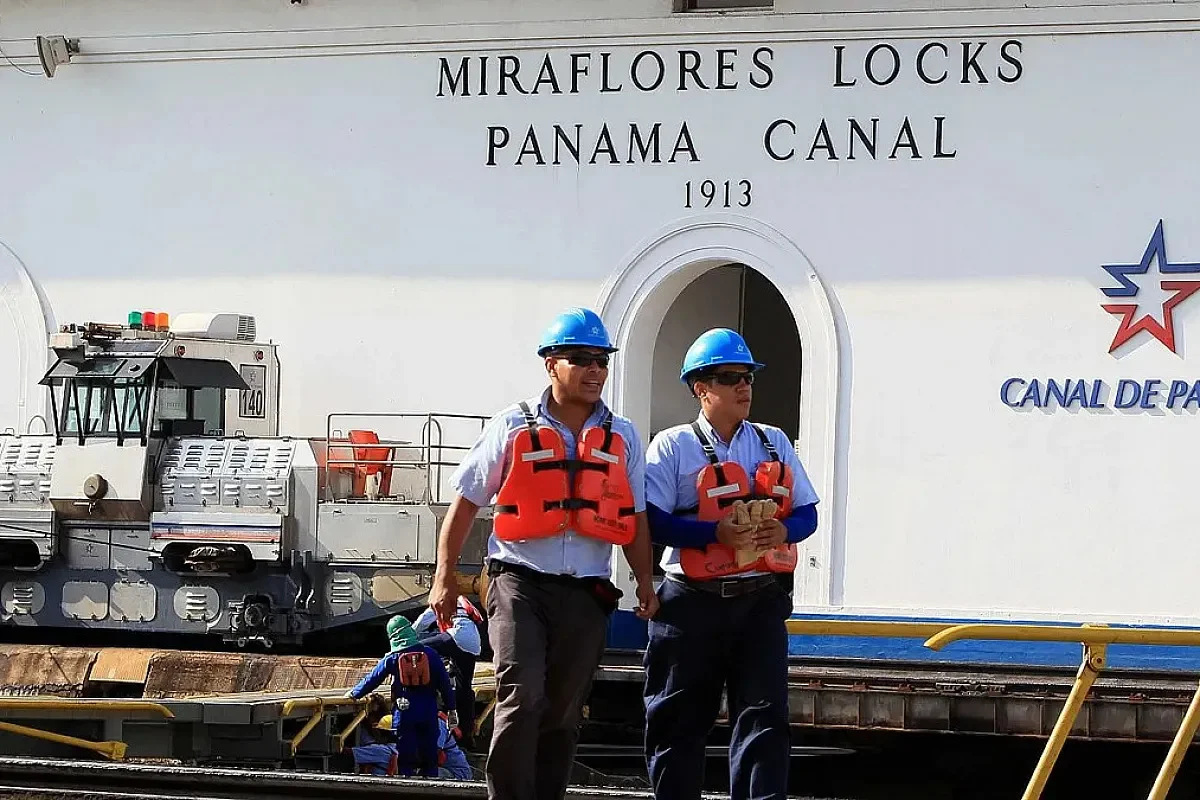
The Human Element of Canal Operations
Looking inward, Espino de Marotta acknowledged that the organization’s internal culture must evolve alongside its newest workers. Younger generations need to be heard, she said, and they must come to understand that working at the Canal means holding a “borrowed legacy” that should be returned in better condition than it was received. That philosophy, she argued, is essential for long-term sustainability and operational excellence.
Labor harmony also ranks high on her priority list. Strong relations with unions, she insisted, are a prerequisite for productivity and efficiency. That formula has already proven its worth, she noted, since the expanded Canal now generates more revenue than the original waterway. Espino de Marotta closed her remarks by promising a grounded administration, one anchored by the same conviction of service that first brought her to the repair dock in 1985.
The administrator’s path from temporary engineer to chief executive mirrors the Canal’s own transformation over four decades. Both have navigated tectonic shifts in global trade, climate variability, and national expectations. The coming years will test whether the institution’s constitutional strength and her engineering discipline can secure water resources, maintain labor stability, and extend the waterway’s contributions for generations to come.